MATCH RACE TO THE HORN

There are two Volvo 70 teams still racing towards Cape Horn.  The number of breakages in this race has been significant. If this was the first time the class was being used for the event I might find it acceptable, I might. But there is a lot of data available, the boats have been well used. I have expectations that the science and materials are better every year and therefore the boats produced could safely race around the world.

There are two boats still racing. Six started, that is already a small number. This is a huge budget race. Each team surrounds itself with secrecy, has spent grand amounts of money to produce boats they believe are capable of winning this race. The sails seem to be standing up well to the punishing conditions. Not so for the boats.

The boats I sail are not built to the same standard and I recognize that they would not stand up to the same abuse if you like. I have taken my “foot off the throttle” under circumstances, while the boat was still under control, there was a risk of damaging the boat. You don’t get points for not finishing and it is even less appealing to be rescued.

So why has this generation of Volvo 70’s had so many breakdowns? Particularly disturbing is the delamination problems these boats are experiencing. I will include the bulkheads and longitudinals that are simply ungluing. It seems that the lessons from the previous races has not been put to good use.

RATING RULES

The book about the three “Carinas” written by Richard B. Nye came out a few weeks ago. The saga of “Carina” continues as she having sailed to Australia to participate in the Sydney-Hobart race from England after having completed the 2011 transatlantic race and now sailing home to the East coast of the United States where she will sail in the Bermuda Race this June. Follow her story HERE.

The story of “Carina” is interesting from many points of view. Her conception was the culmination of years of experience of ocean racing by the Nye family. She was launched in 1969. This is where the story is so interesting as we look back. At the time two racing rules dominated the world: the CCA in the United States and the RORC in the rest of the world.

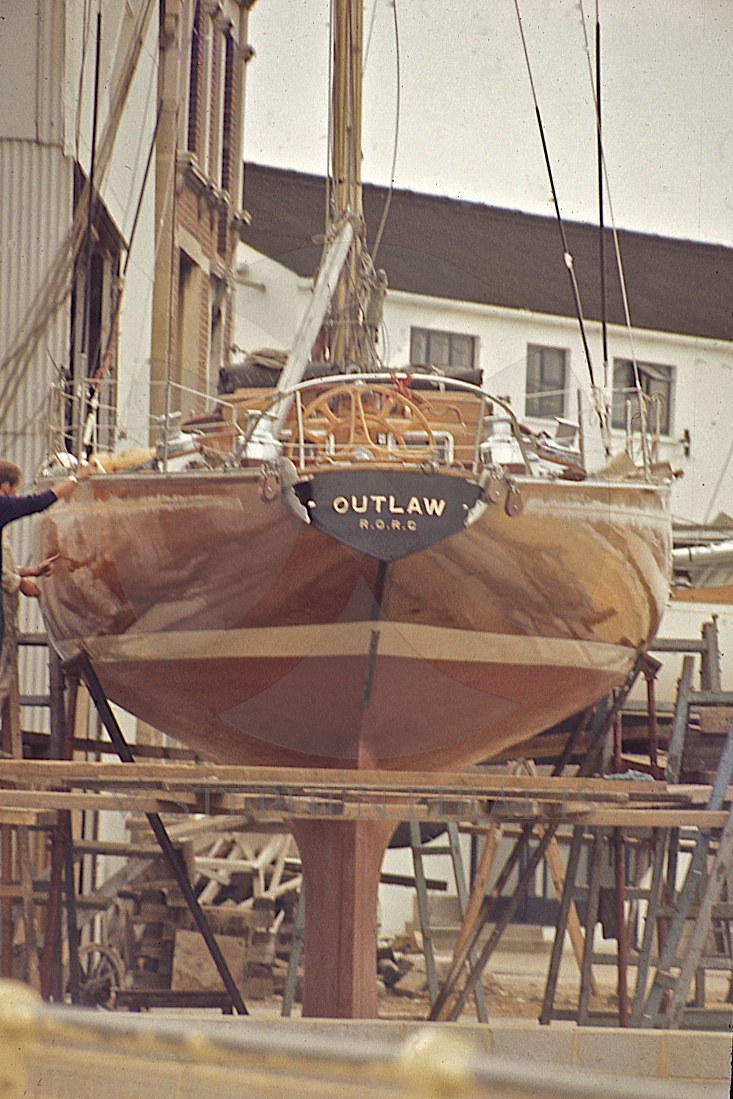
I have added the photo of “Outlaw” to illustrate the RORC rule. Anyone wondering where the pinched ends under the IOR came from. This was one of the compromises in order to achieve one rule.

Back to the “Carina” story. In 1968, the Nyes had won class in the Bermuda race with the old yawl, but wanted a new boat. The new rule was still being negotiated, no one knew what the final rule would offer, so Jim McCurdy and Bodie Rhodes were tasked with designing a boat that would rate well under any circumstances. The result was a boat that is still winning races 40 years later

“EXPENSES SHOULD MATCH REVENUE”?

America’s Cup lays off 28 people, race officials say

Posted on March 23, 2012 at 2:29 pm by Stephanie M. Lee, John Coté in San Francisco


The business arm of the America’s Cup laid off a quarter of its staff Friday, the latest sign the premiere sailing competition has dramatically scaled back its presence — and budget — in San Francisco.

The America’s Cup Event Authority laid off 28 people, 14 of them in the San Francisco office and the other 14 in offices around the world, race officials said. They worked in the information technology, marketing and communications departments.

The shake-up stemmed from the pared-down deal between the America’s Cup and the city to host the event this year and in 2013.

“We’re having expenses match the revenues as much as we can,” said Stephen Barclay, who took over as interim CEO for the event authority this week in another sign of reorganization. “And a number of people will be leaving as a result.”

Originally, the Event Authority was going to invest $111 million in infrastructure work to repair deteriorating piers the city has sought for decades to fix. But race officials backed away from that agreement earlier this month.

The new deal, set to be considered by the Board of Supervisors Tuesday, calls for the port to invest nearly $22 million in pier repairs, including up to $8 million for team bases at Piers 30-32. A team of fundraisers, meanwhile, is responsible for raising $32 million to cover the city’s costs to put on the event, and have so far raised $12.5 million, according to a city audit released Friday.

Beyond the rollback of the development deal, the event authority is also scaling back event facilities, including no longer trying to have any at Crissy Field, part of the Golden Gate National Recreation area.


GLOBAL WARMING?

I cannot confirm that we are experiencing global warming, but I can tell you something is happening. Last summer’s transatlantic race sailing through the Azores high that had expanded to cover the entire north atlantic, unusual at best. A virtually snowless winter here in the northeast and really quite warm. And Spring is here, six weeks early.

It is difficult to imagine that the growing population and continued use of fossil fuels is not having an impact.

PAUL,HELENA AND SAILROCKET

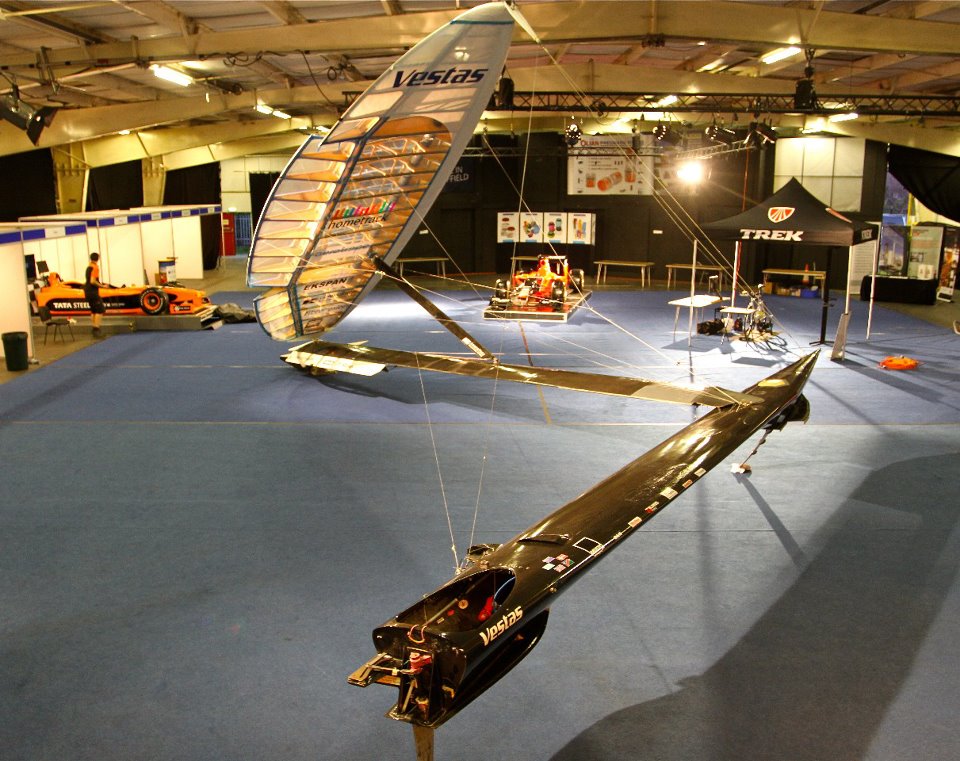
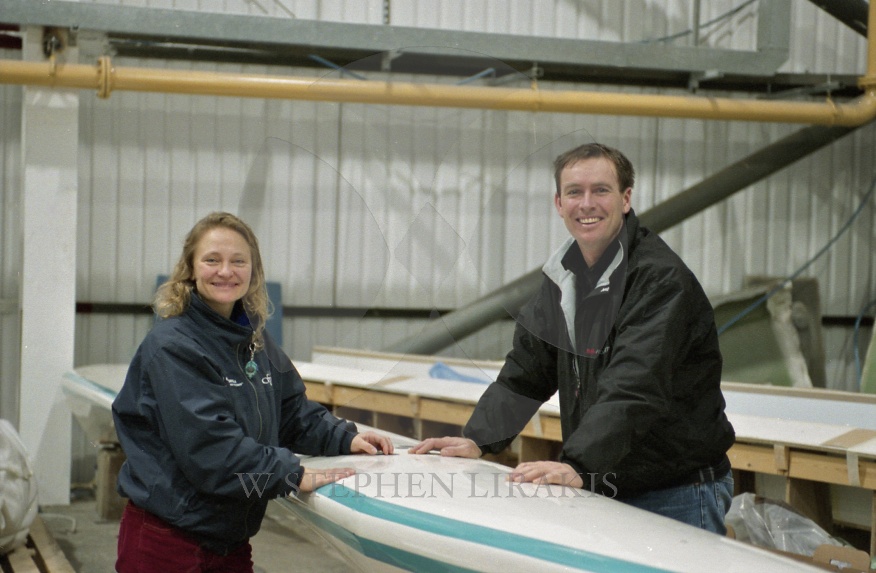
Paul and Helena with Sailrocket have devoted what is becoming quite alot of time and effort for the quest of speed under sail. First it was 50 knots now 60 knots is the target. They have always been so generous with their knowledge and time. I wish them the best of luck.

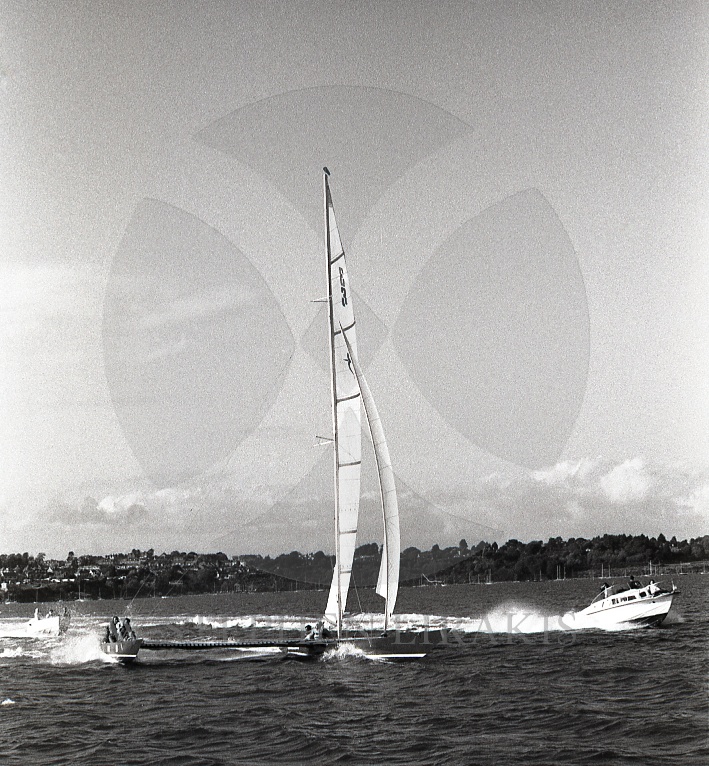
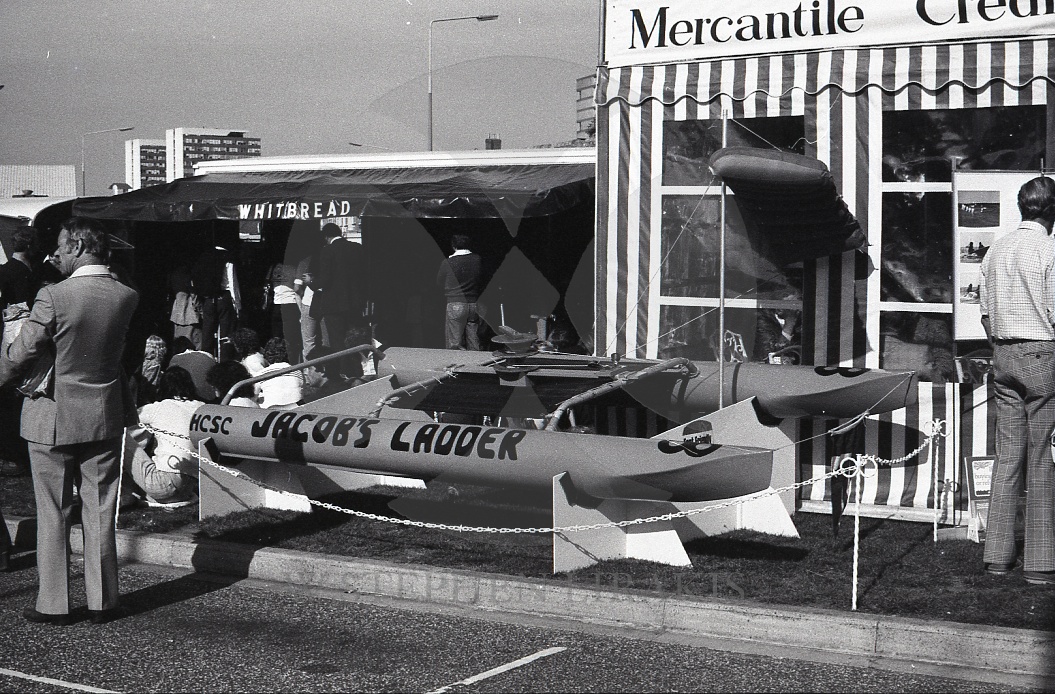
I had gone to Weymouth speed week  with Ben Lexan, Jack Knights and Bob Fisher. Jacob’s Ladder,Icarus, Crossbow and lots of truly homemade boats were there to try to set records. The lofty target at the time was 30 knots. Hard to imagine now.

ONION PATCH SERIES


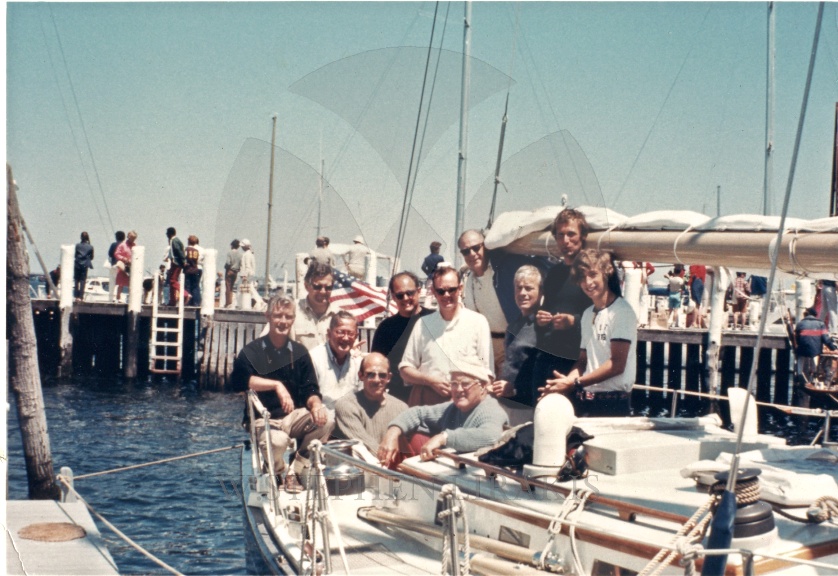
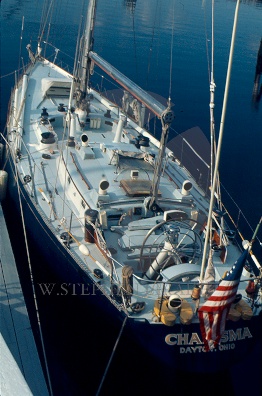
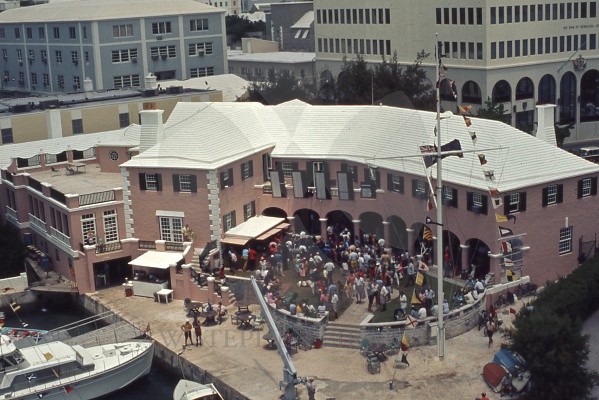
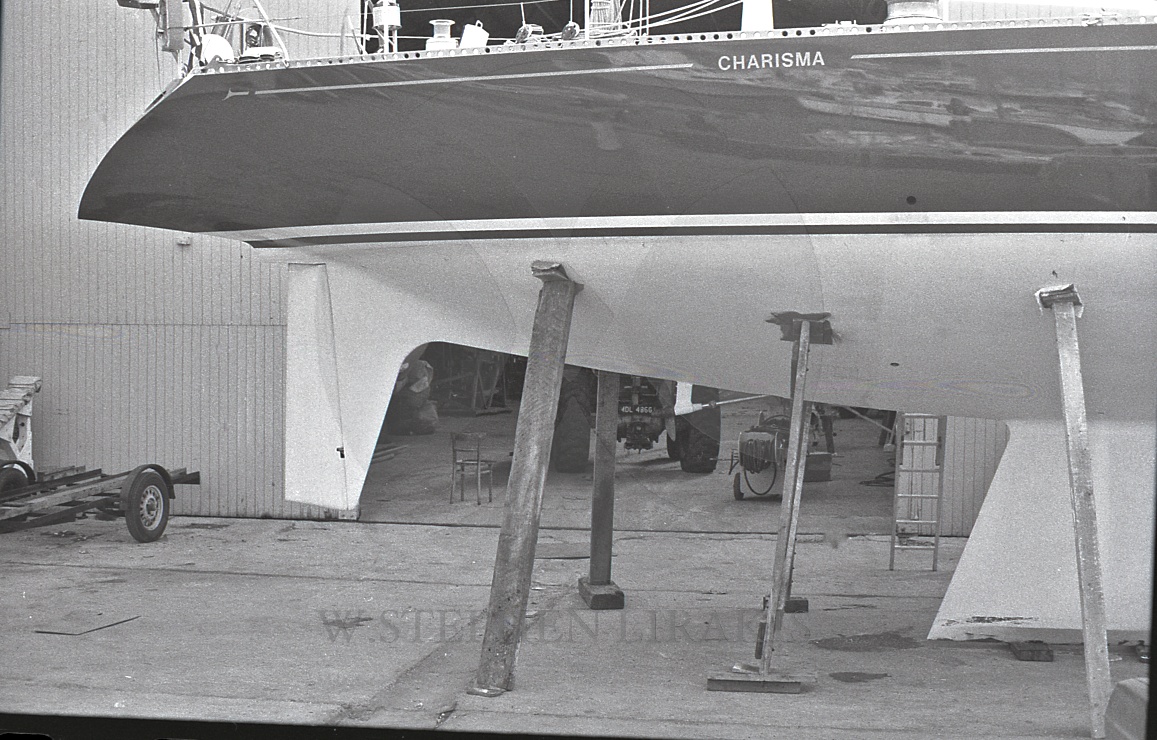
Reading the recent article about the Onion Patch Series puzzled me because the description did not resemble any of the series I had sailed in the past. I participated on “Carina”, “Charisma”. The series in those days the series began with a race starting in Oyster Bay around Buzzards Bay light tower, around Block Island and then finishing at Castle Hill. Once in Newport we sailed three day races before starting the Bermuda Race. The race s were open to all participants but the teams were scored separately, just as the Admiral’s Cup had been sailed in the early days, before the beginning of the end when the Admiral’s Cup was excised from the crowds, but that is a subject for another day.

As I write, I wonder if we as sailors have been our own worst enemies.

“IT’S A FOLLY”

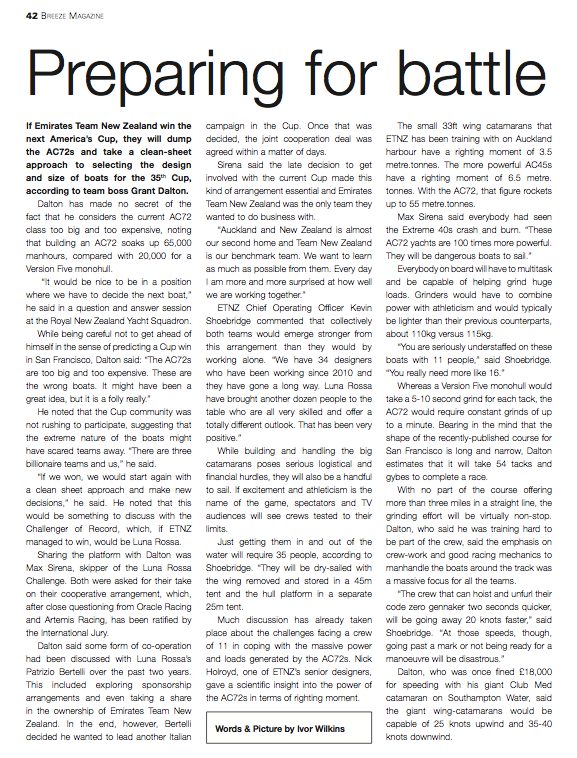
Grant Dalton has become the “Ted Turner” of modern sailboat racing. We all anticipate his next words. He shocks, surprises, and has a fresh plain spoken approach, that no matter how outrageous his statements might be; there is always a nugget of something we can relate to.

It his latest statement he says that if it were up to him, there would be a change of boats for the America’s Cup and has supporting evidence for his statement.