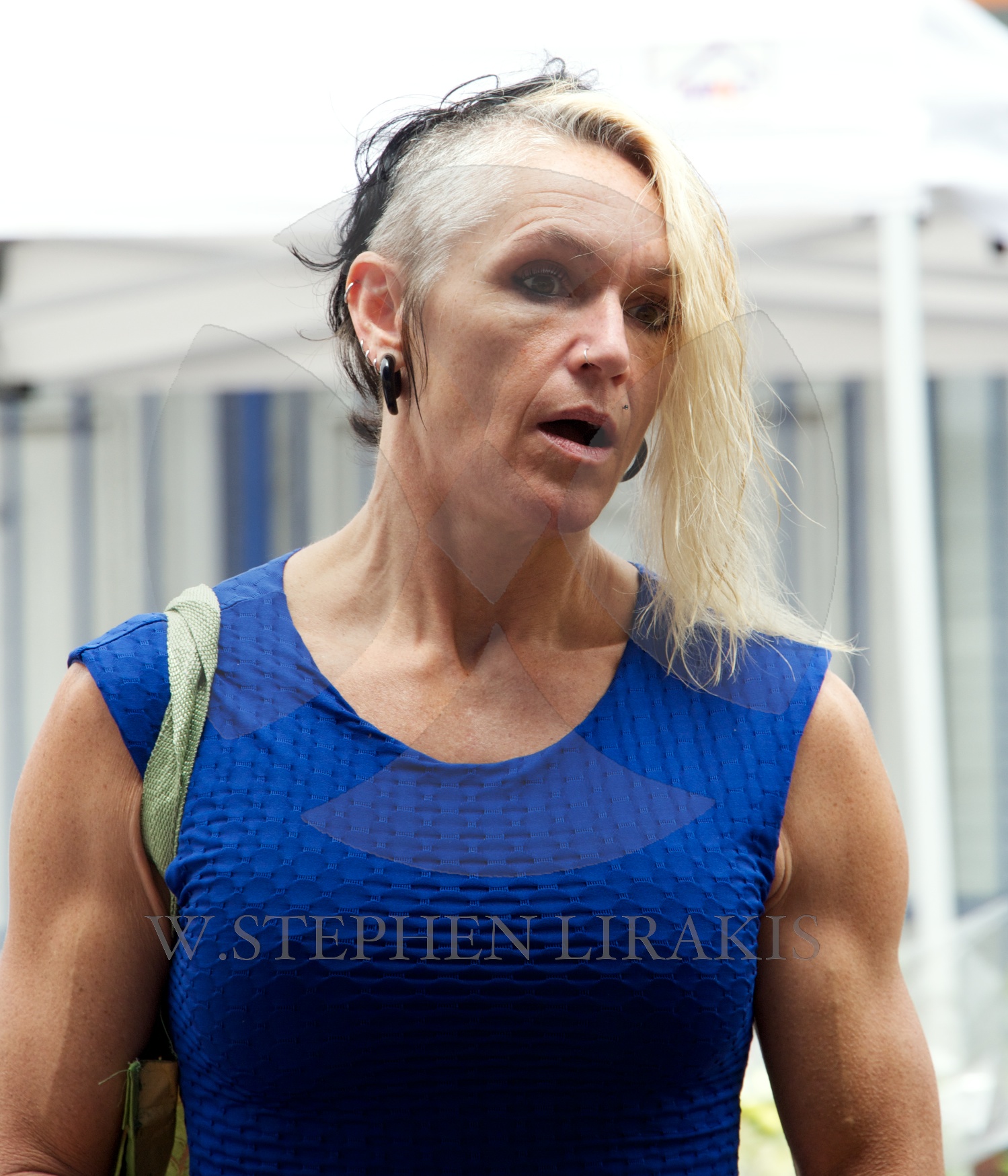








Los Angeles is a never ending wealth of architecture and people
Los Angeles is a never ending wealth of architecture and people
There is no attention like attention.
Published on August 1st, 2013 | by Slade
(August 1, 2013) – Team New Zealand will not be punished for this week’s joyride with Tom Cruise, America’s Cup organisers have confirmed.
Regatta director Iain Murray this week issued a notice reminding teams of the safety regulations and responsibilities when carrying guests on board following Team NZ’s highly successful publicity stunt involving the A-list actor.
Pictures of Cruise sailing aboard the high-powered AC72 at speeds over 40 knots were picked up by media organisations around the world, generating an unprecedented level of buzz for the event, which has been mired in controversy.
Guest racers were banned on the AC72s as part of safety revisions made following the death of Artemis crewman Andrew Simpson when the team’s boat capsized in May.
Cruise and his son Connor watched Team NZ’s win over Luna Rossa on Monday from the Kiwis’ hospitality boat before they were taken for a spin on the AC72, with both getting a turn on the helm. But even outside of the race times, there are strict rules that govern carrying guests on board the giant, but skittish, catamarans.
Hamish Ross, general counsel for America’s Cup race management, said Team New Zealand were not in breach of the safety regulations when they carried Cruise on board, but it was timely to remind competitors of their responsibilities under the US Coastguard special local regulation (SLR).
“Whilst the USCG Special Local Regulation (SLR) is in operation [competitors] must adhere at all times to the Safety Recommendations whether for racing or for training whilst sailing their AC72 yacht within the SLR area,” the notice read.
“To answer a query I have received: guest racers cannot be carried at any time aboard an AC72 yacht within the course area when the SLR is in effect, but may do so as soon as the SLR is lifted.”
Ross said America’s Cup race management did not receive any formal complaints concerning Team NZ’s publicity stunt.
– See more at: http://www.sailingscuttlebutt.com/2013/08/01/cruise-ride-not-in-breach-of-rules/#sthash.7VFtuydf.dpuf







The theme for the last day of school party was hawaiian. I believe the top prize should go to the little hula dancer.
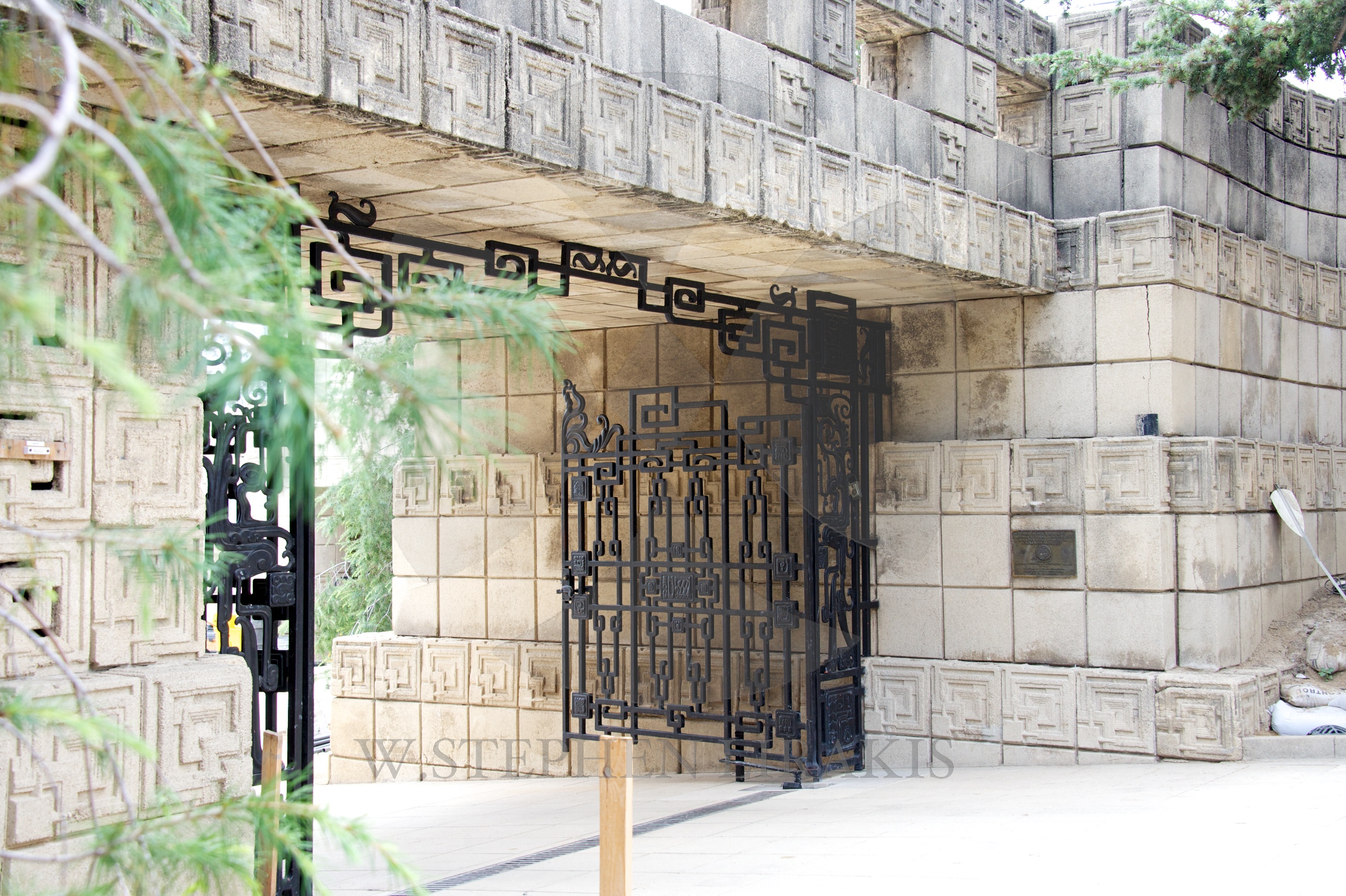
Los Angeles just keeps surprising me. For years we have talked about visiting Hollyhock house which unfortunately for us is closed for repairs . Good for the house of course. Having walked around the outside, for me, this house is much more livable than Ennis house. However I have not been in either.

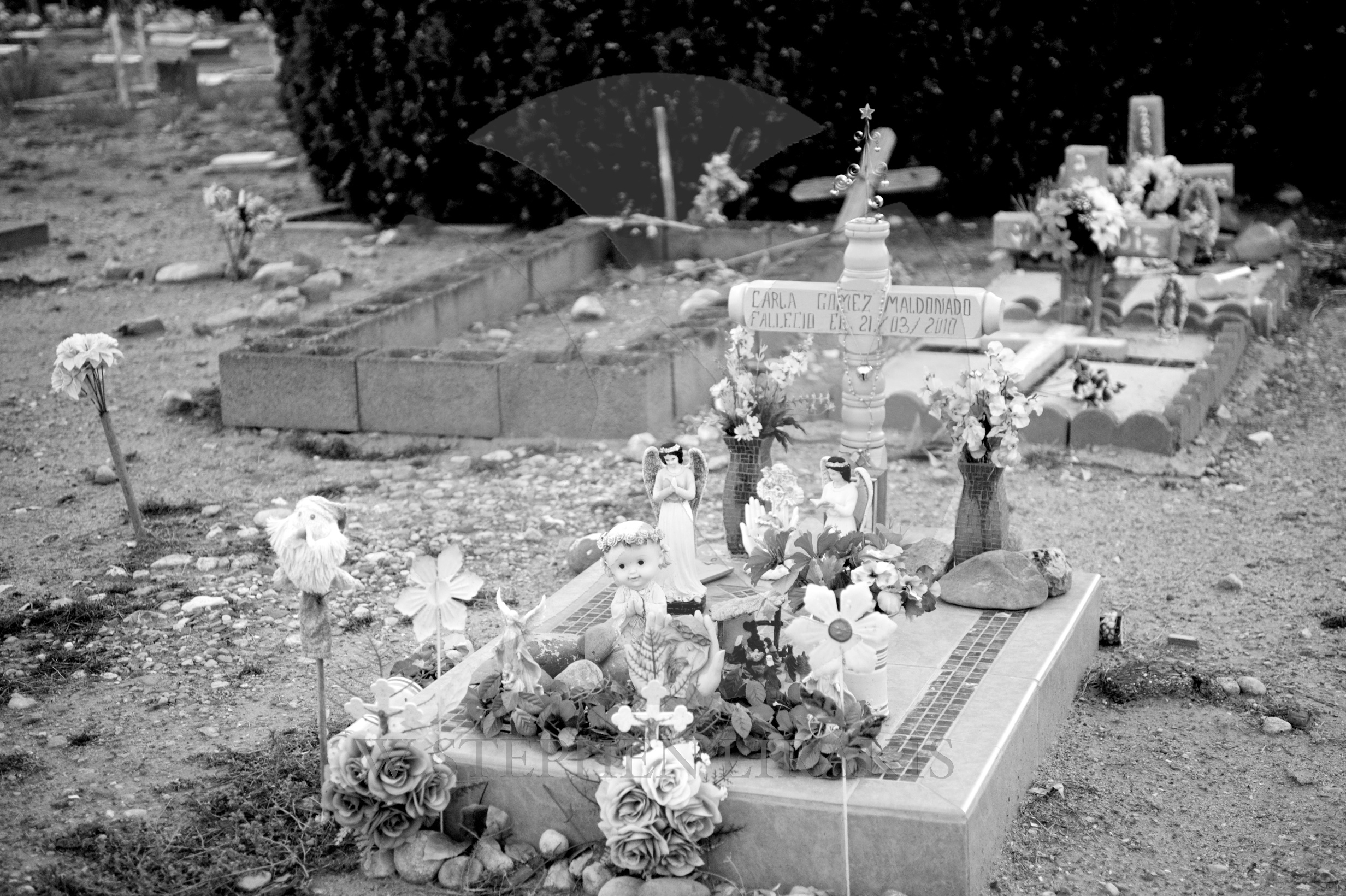






I may never pass this way again. One never sees the same thing the same way twice. I have seen some remarkable things. I have taken a lot of photographs and I have missed some opportunities. I remember each lost image. I wrestle with some of the images because I have imposed myself on other’s lives. I try to ask if I am photographing someone. the spontaneity is often lost once the moment is interrupted. I have been taking photographs for over 50 years now and have a library spanning a broad variety of subjects. A chronicle of sorts of my life. Paul Mello has been full of encouragement about my latest images.







Today was another example of how close nature is to the city. The coyote was watching us quietly while we played with our two year old grandson. I have have owls and hawks swoop down in front of me in Hollywood.







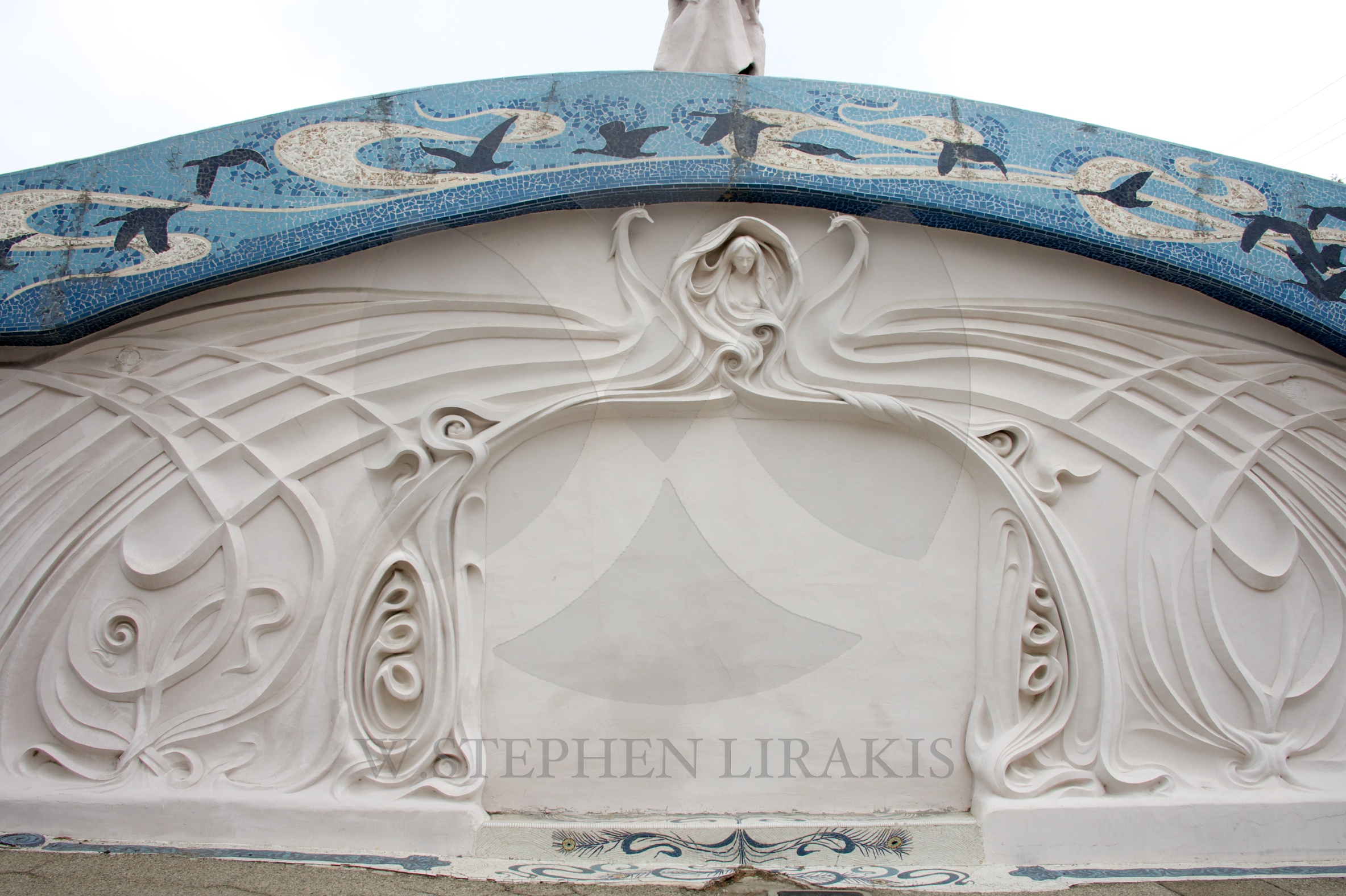




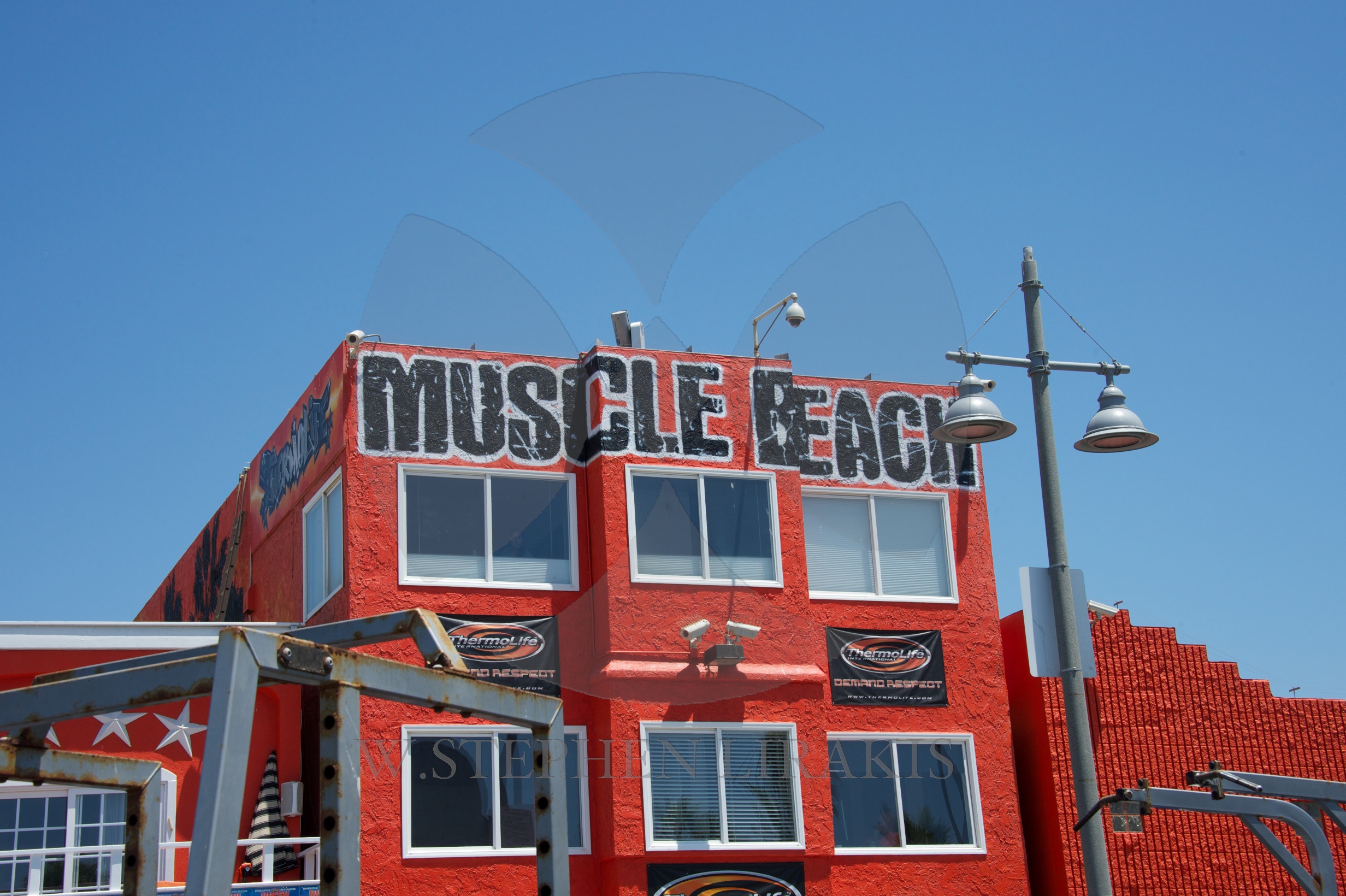




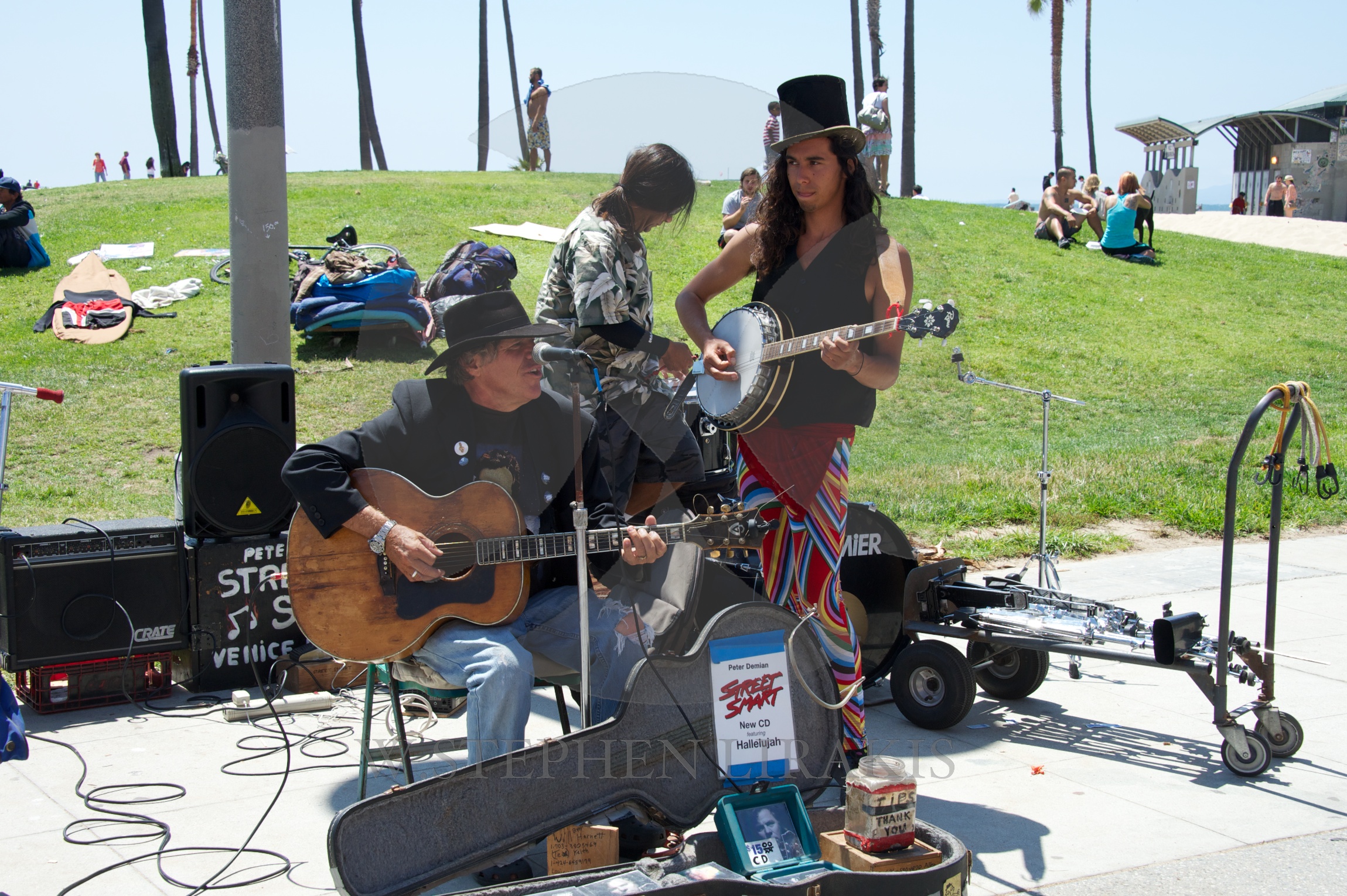


Venice Beach is both exhilarating and disturbing. On one side the real estate is more expensive than Santa Monica and they look at the homeless from their windows. It is without a doubt people watching paradise.
Really? It may be worth noting that Tom Cruise chose to sail with the winning team; not Oracle racing. He got to go sailing; in spite of the ban instituted after the death of Andrew Simpson. Those Scientologists seem to get their way.
HEALTH CARE, HEALTH CARE TECHNOLOGY, PHARMACEUTICALS BIOTECHNOLOGY AND LIFE SCIENCES, BUSINESS NEWS
Forget about cash—start banking your body.
Using a technology that echoes science fiction movies, a French company is offering people a “bank” to store their own stem cells for years in a bet that those cells may be used to grow replacement organs and possibly save their lives someday.
“It’s a personal deposit of your cell,” said Dr. André Choulika, CEO of the biotech company Cellectis, which is launching the stem-cell bank known as Scéil this month.
Given the rate of developments in stem-cell research and their potential for curbing health costs, Choulika thinks Scéil’s model of creating and storing stem cells one day will become so cheap that it will become mandatory for people with medical insurance.
“This pace of science currently goes so fast, probably in a few years, less than 10 years, everyone will have their own cell backup, and it will be a requirement,” said Choulika, whose company is named after the Gaelic word for “story,” and is pronounced “sail” by Choulika.
“We believe that regenerative medicine is the future,” he said.
In the present, though, it is anything but cheap. Scéil’s services cost $60,000, Choulika said, adding that it is “a one-time payment, for your life.”
(Read more: Hot biotech IPOs)
Choulika said he expects enthusiastic adoption by wealthy clients, as has been seen with other new technologies. Then, system improvements and competition could drive the initial price down considerably.
“It’s expensive, or it seems expensive, for one reason,” Choulika said. “We don’t know how many people are going to sign up, and it’s a very complex and sophisticated technology,” he said. The number of people now who could both afford the process and be interested in trying it might top 1 million.
The company says it has already signed customers, though it doesn’t wish to reveal details about them. Those clients will be putting down a hefty sum on a bet that that outlay will be more than offset by the benefits realized from scientific breakthroughs in coming decades.
A depositor at Scéil will make an appointment with a dermatologist, who will take “a small puncture out of your skin, under the arm, 3 millimeters in diameter,” Choulika said. “Then the sample is shipped to our treatment center, which is located in Singapore.” (He was visiting Scéil’s facility there when he spoke to CNBC.com in a phone interview.)
(Read more: We Americans are healthy, really!)
The skin cells are grown in the lab and genetically manipulated with enzymes in a way that reverts them to a stem-cell state.
“It’s like a computer that you want to reboot, and you want to rewrite the hard drive all in zeros,” Choulika said. “The cells totally forget what they are, and go back to ‘stage zero’ in life.”
Then those stem cells are themselves grown in “a very large sample,” he said. Afterward, the cultivated stem cells are split into three “very large” batches and stored in Scéil locations in Singapore, Switzerland and Dubai. The separation acts as a fail-safe measure.
Because of the accumulation of mutations in a person’s DNA, the earlier a deposit in a stem-cell bank is made, the better, though “it’s never too late,” Choulika said.
The technology that Scéil uses is based on research that won Japanese physician Shinya Yamanaka the 2012 Nobel Prize for Medicine.
(Read more: High medical bills drive bankruptcy)
For years, scientists believed that embryonic stem cells—the cells that can generate all the types of cells in a person’s body—could be obtained only from embryos or blood in the umbilical cord. That meant that unless umbilical blood was collected at birth, there was no way to use existing cells to cultivate new ones that later technologies might be able to grow into full organs, blood or bones.
“That was the paradigm,” Choulika said. “You could never go back to the stage of stemness, like an embryonic cell, the first stage of life,” “The stem cell, from the beginning of life, gives you any kind of tissue. However, you can never go back from there. … Once you have a skin cell, the skin cell remains a skin cell.”
But Yamanaka shattered that paradigm when he discovered in 2006 that “intact mature cells in mice could be reprogrammed to become immature stem cells” when a cocktail of several genes were introduced into the mature cells, the Nobel Committee noted in announcing the award last year.
“With any cell of a person, then, you can rebuild any kind of tissue,” Choulika said. “You can rebuild neurons; you can rebuild blood. You can rebuild anything.”
At the moment, the technology of building tissue on a large scale is in its infancy, and years away from being able to grow so-called pluripotent stem cells into full organs for transplant into their donors.
Movement toward that goal was seen earlier this month, when the Japanese government approved the world’s first clinical trials using such stem cells for treating age-related blindness.
That conjures images of the 1982 dystopian cult classic “Blade Runner,” in which a memorable scene involves a scientist working in a lab where human eyes are grown.
The cultivated stem cells also could be used to test drugs’ efficacy and risks.