A SENSE OF ADVENTURE

24029

By Agathe Armand

He sailed the Whitbread four times and is regularly returning to the Southern Ocean in his sixties. Offshore legend Skip Novak tells us all about a race that changed his life and one that still lingers in his blood.

“With the one-design, the focus is back on the crew, back on the people, back on the personalities involved” – Skip Novak

Raised in the Midwest, USA, Novak sailed dinghies on the Chicago lake as a child. The American sailor heard about the Whitbread Round the World Race (later the Volvo Ocean Race) by chance, a couple of months before the start of the second edition in 1977-78.

Named navigator after a couple of beers with the King’s Legend skippers Nick Ratcliffe and Mike Clumsy, Novak ended up sailing four editions of the race.

Now 61, he has been sailing all his life and is still chartering expedition boats in high latitudes. We met him at Race HQ in Alicante, Spain.

After sailing the Whitbread from 1977-78 to 1989-90, what do you think makes this race such a special event?
“The strength of the Whitbread/Volvo Ocean Race is the people involved. We’ve discovered that over the years as media evolved. In the very early days, it was concentrating on the boat and the results and it has evolved into a people story. That’s where all the action is.

You don’t think it has lost its adventurous core in 40 years of history?
“The foundation of this race, as different from the America’s Cup or the Olympics, is really about adventure. If you don’t have a sense of adventure, don’t do the Volvo Ocean Race today. Despite the fact that the media is now a fly on the wall story while we were really on our own for 30 to 35 days in the old days, it is still an adventure sail. No doubt about it.

“It’s very hard to be romantic now and think wide with all the onboard footage, but it’s a natural evolution. We didn’t really care about media in the beginning, but we started promoting it when we realised this was a lifestyle. We wrote books and made films in view of doing it the next time. It’s only natural.

Speaking of evolution, what is your view on our new one-design Volvo Ocean 65?
“The one-design is a natural conclusion to various dilemmas over the years. I remember, in 1981-82, it was very apparent after we started sailing three or four says down the Atlantic with Alaska Eagle that we had a dog. We were faced with going around the world for nine months with a slow boat. It was quite difficult to take psychologically.

“Of course, as the race evolved, the boats changed but there were still differences in performance. The one-design solves that problem. The focus is back on the crew, back on the people, back on the personalities involved. I think we’ll see more of these great stories in the media.

On a more personal level, tell us about your sailing journey. Where does your high-latitude addiction come from?
“After sailing through the Southern Ocean on the Whitbread legs, looking at the Sub-Antarctica islands fly by, rounding Cape Horn and seeing the mountains of Tierra del Fuego, I vowed to myself then that one day, I’d go and see that. After 1985, I did. We built a boat and sailed there. 25 years later, I’m still down there. We were one of the pioneers of expedition sailing in high latitudes.

“I’m a mountaineer as well so I was living these two passions, sailing and climbing, in very remote areas. The only way to get to the Antarctic peninsula, South Georgia or Patagonia is to sail there. So I’m still feeding the rat, as they call it in mountaineering. I’m living high risks and making a business out of that. It’s incredibly satisfying and I love it.

No more Volvo Ocean Race then?
“I think I would struggle physically now, my knee couldn’t take the boat’s heeling angle. But it’s great to be out on the ocean pushing a boat, that’s for sure!”

Skip Novak’s participations to the Whitbread Round the World Race:

1977-78: King’s Legend (2nd overall)
1981-82: Alaska Eagle (9th overall)
1985-86: Drum (8th overall)
1989-90: Fazisi (11th overall)


WANDERING EYE

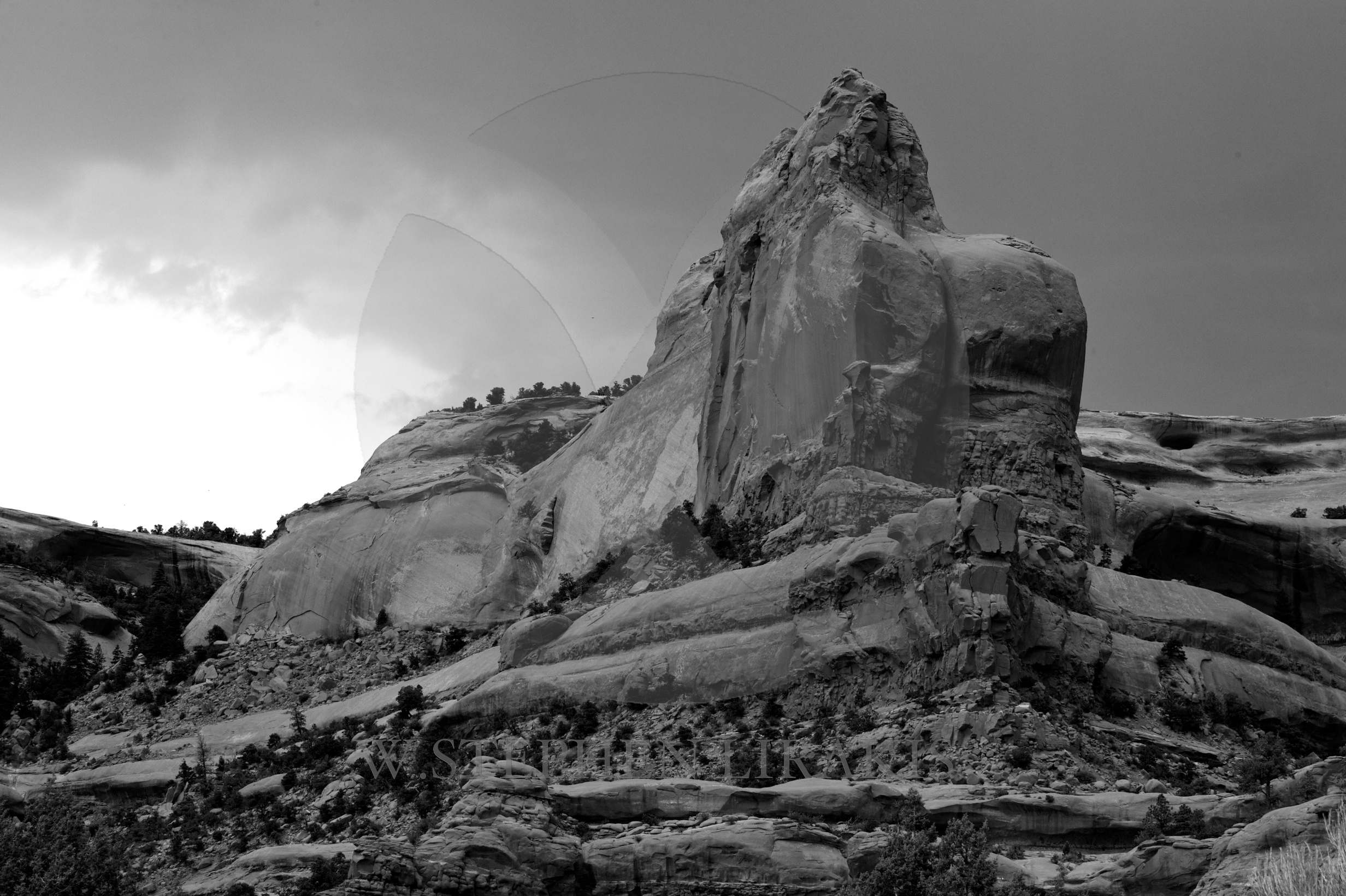
STORM OVER THE CLIFFS
CHILDREN'S GRAVE
CHILDREN’S GRAVE
CEMETERY
CEMETERY
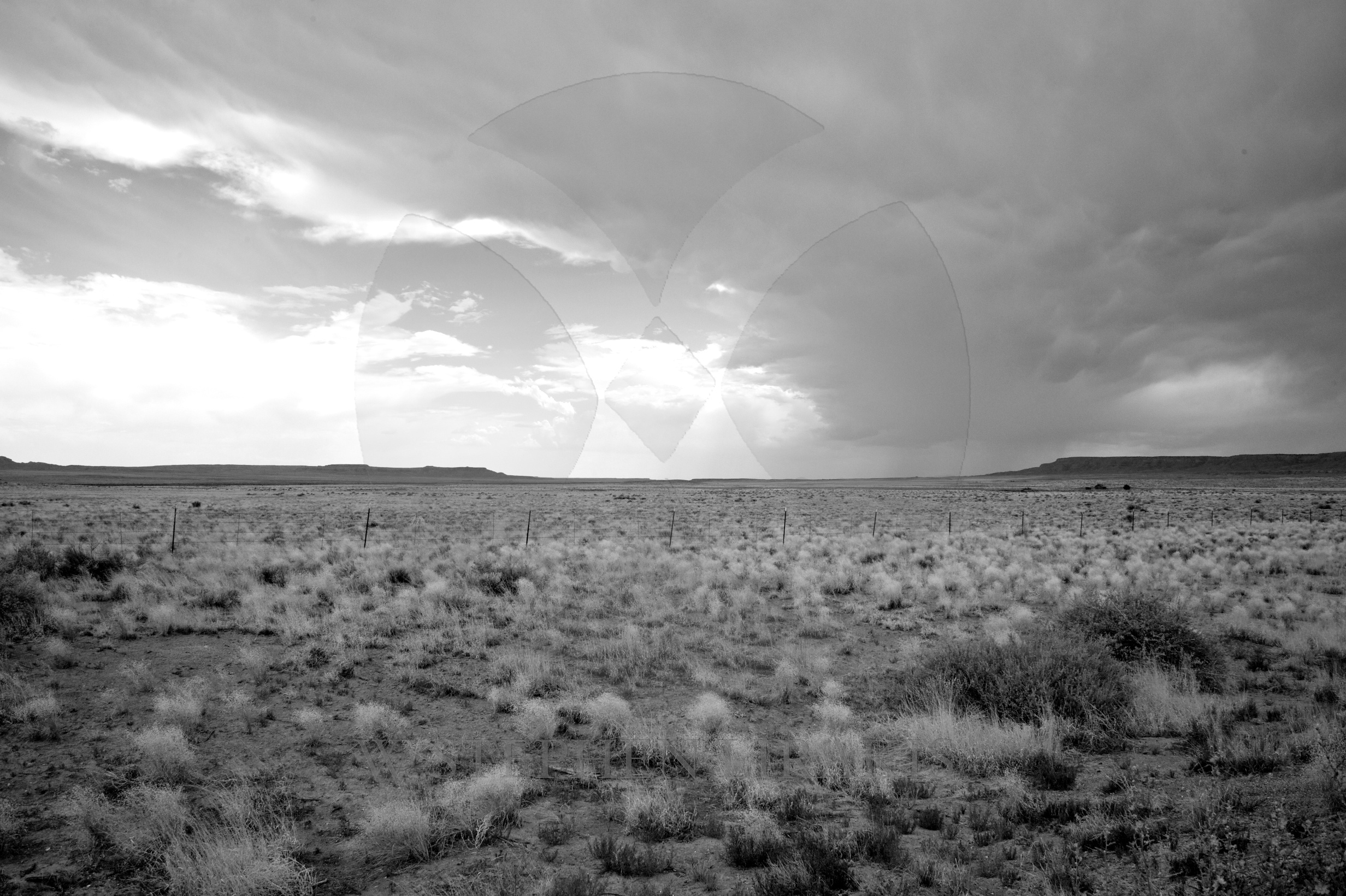
DESERT STORM
DESERT STORM
RED VALLEY STORM
RED VALLEY STORM
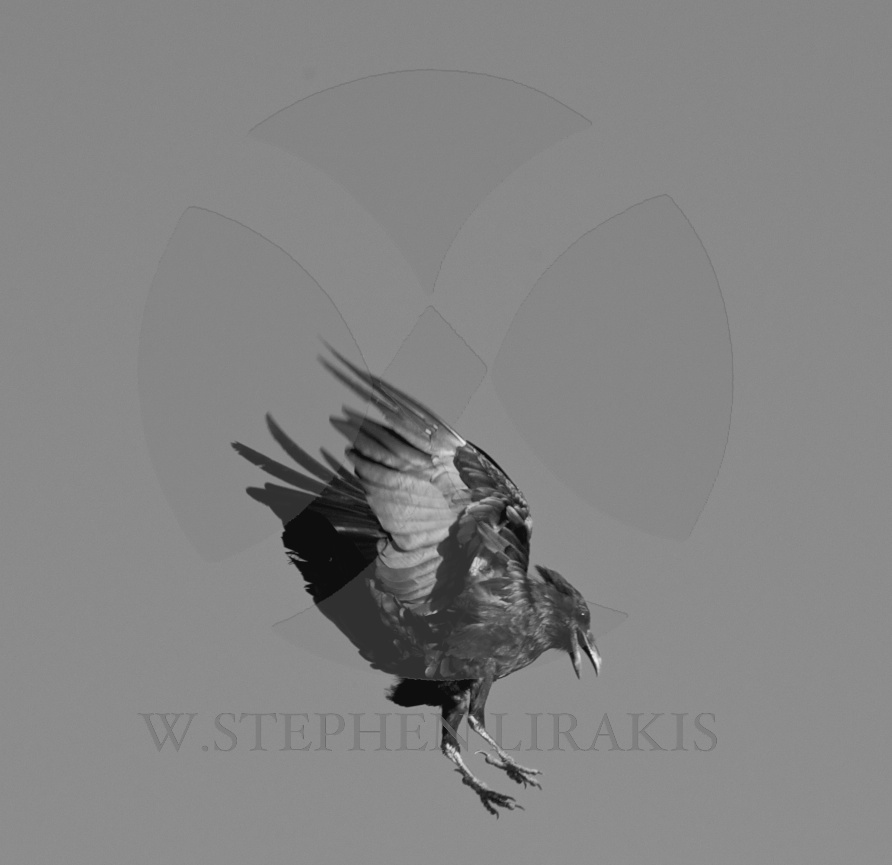
CROW
CROW
SHADOW ON THE WALL
SHADOW ON THE WALL
CANYON DE CHELLY
CANYON DE CHELLY

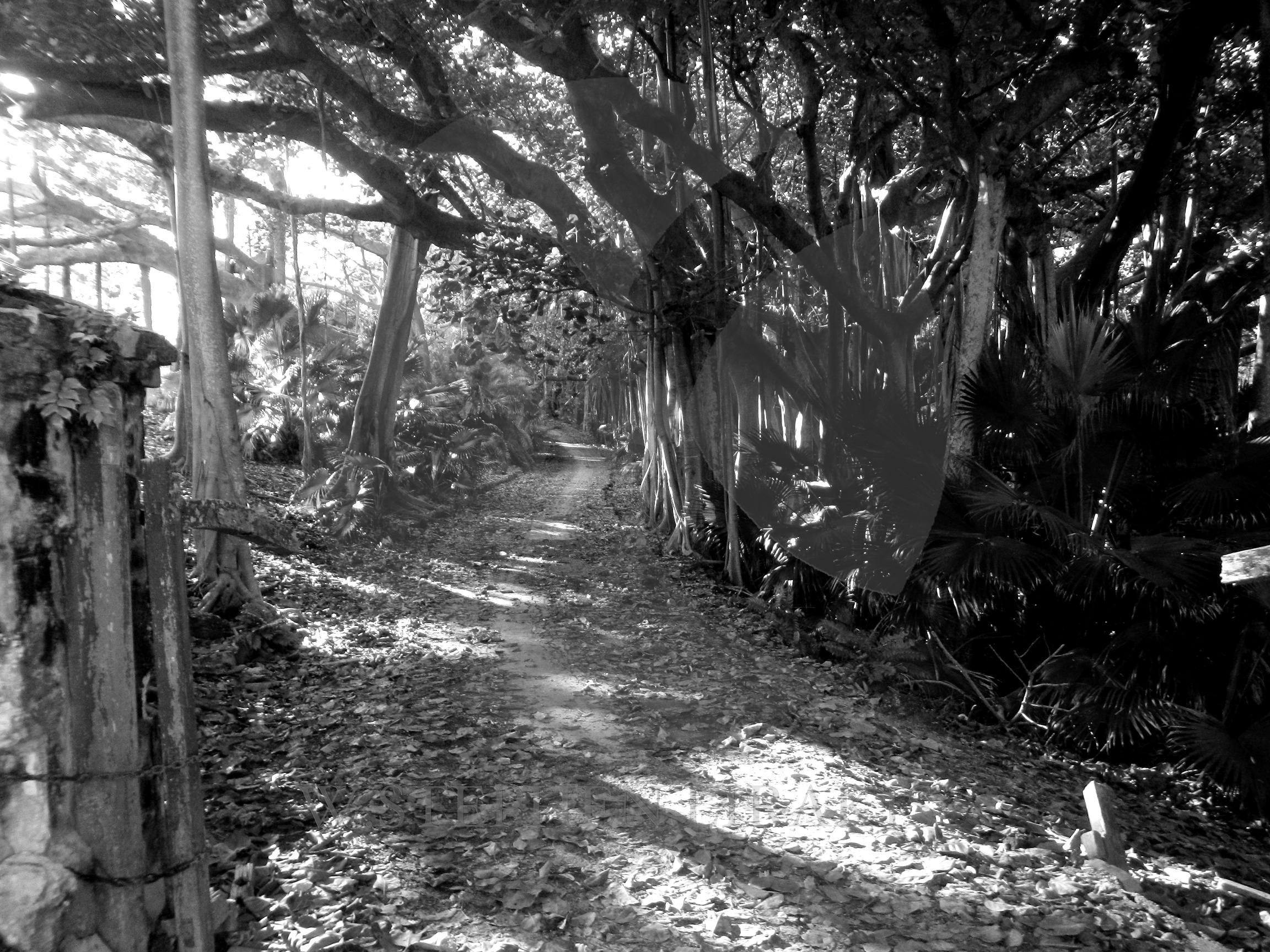
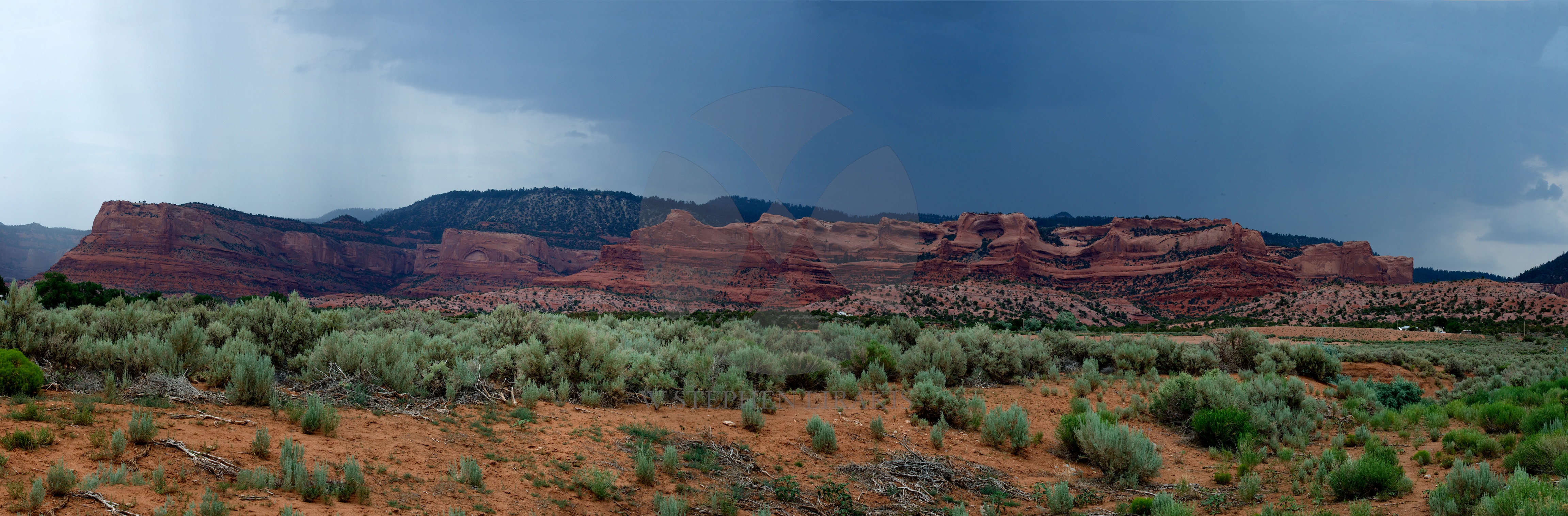
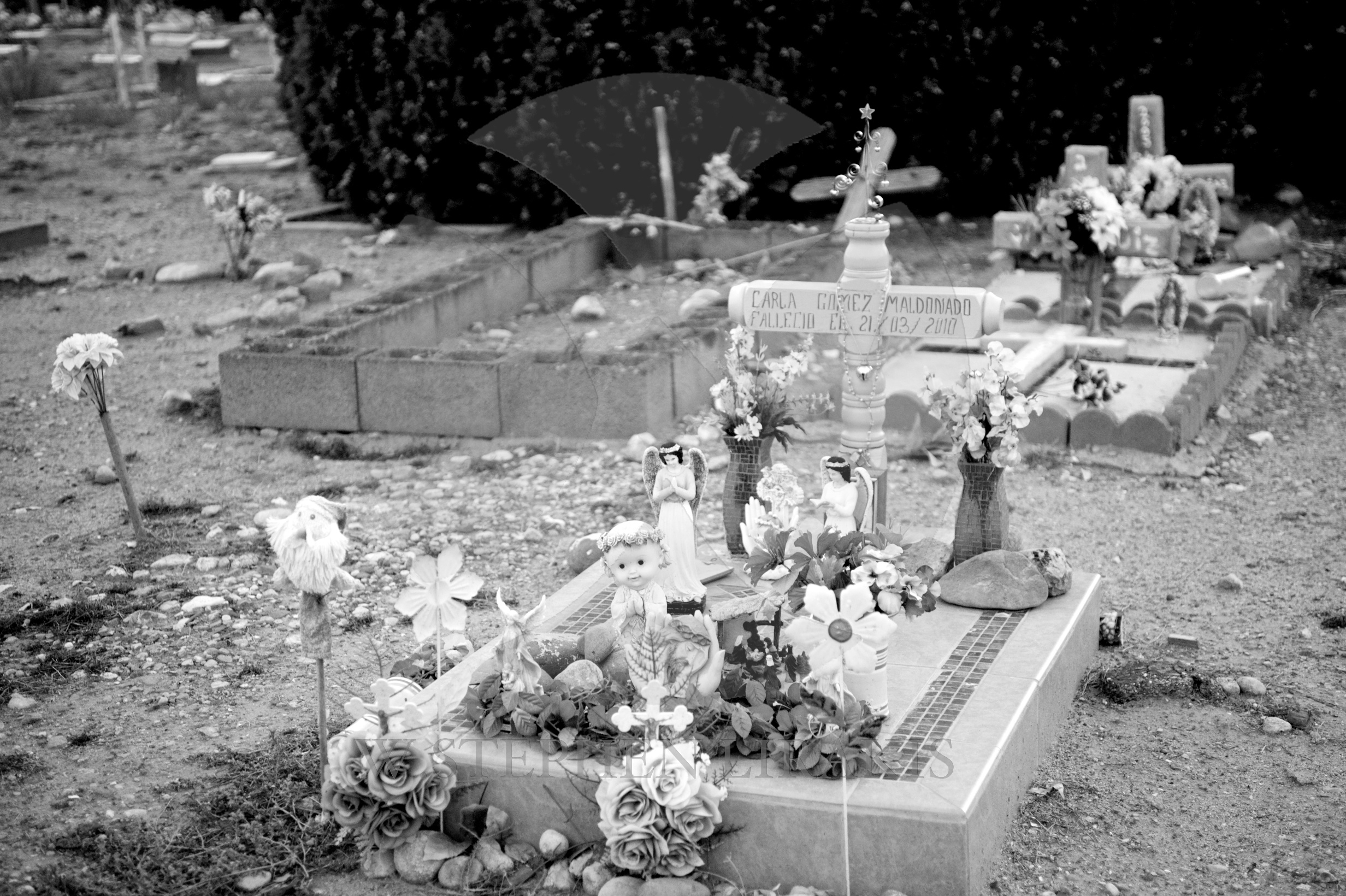
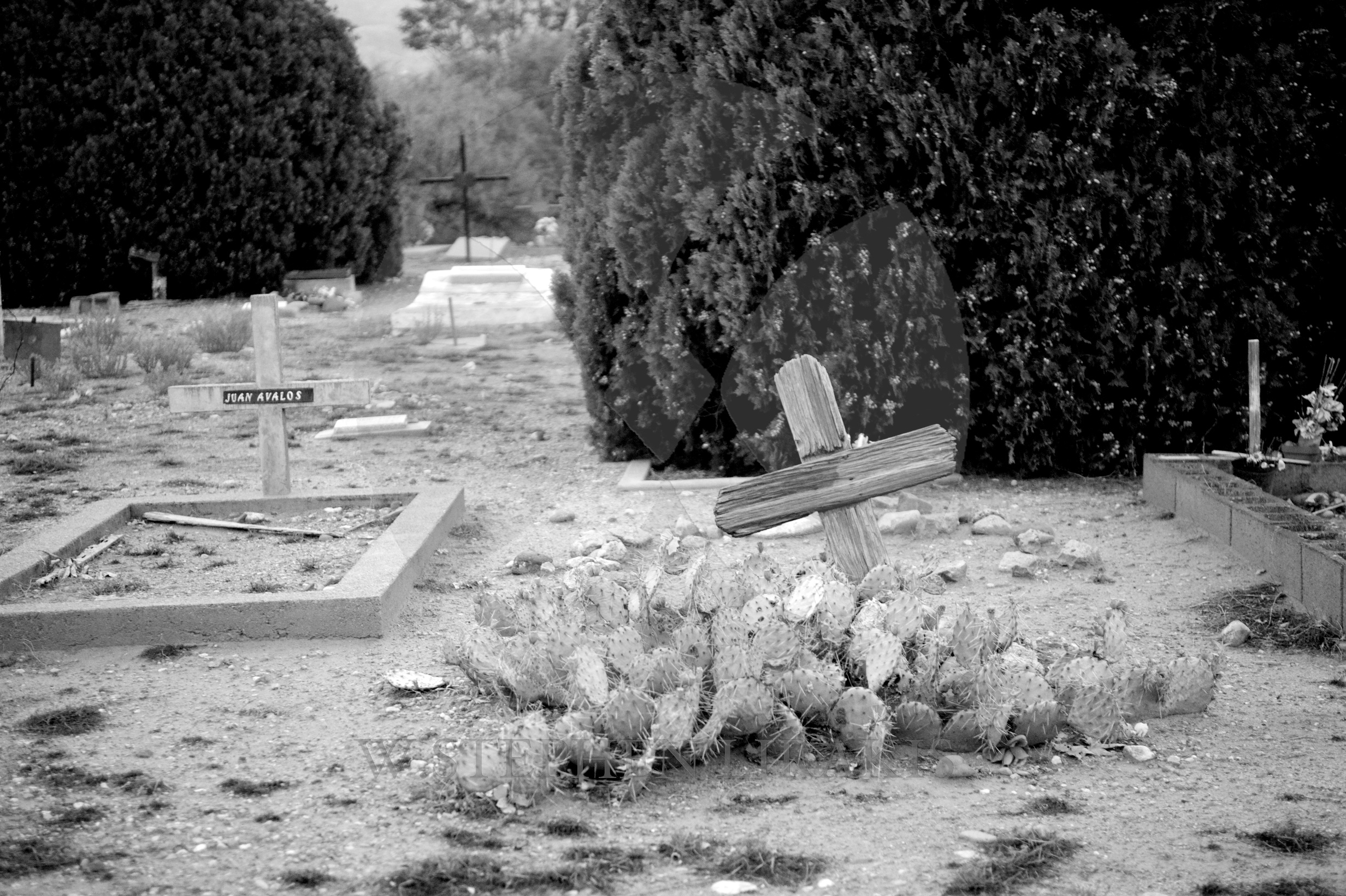
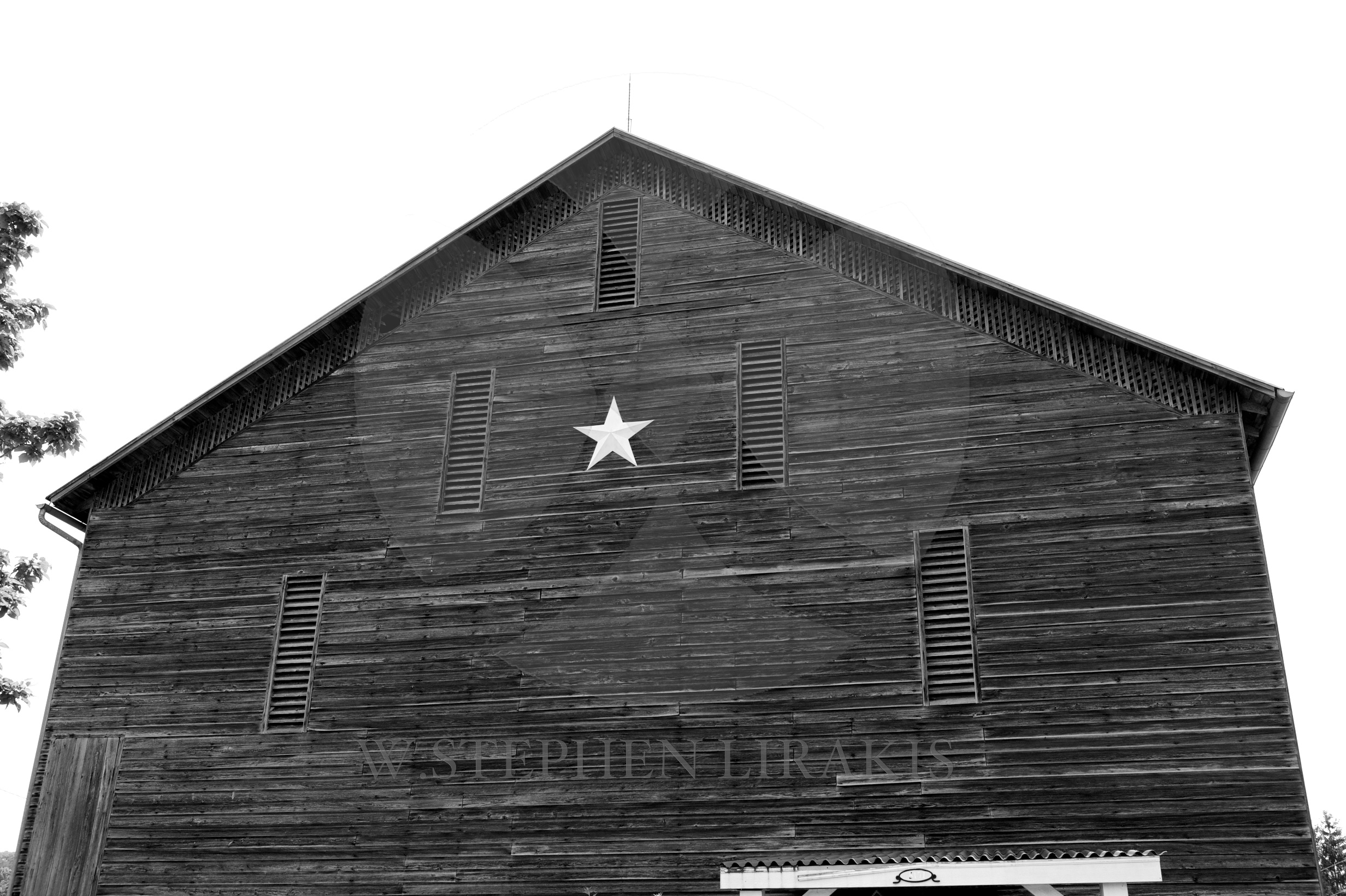
After a summer of photographing, I am faced with choosing what is best, favorite, touches your senses, tells a story. Naturally it depends on what is the goal, the story to be told. Almost every photograph I took has a story, a memory, a thought.

OARFISH


Catalina marine science instructor finds 18-foot oarfish

In the late afternoon of Sunday October 13th, 2013, Catalina Island Marine Institute instructors returned home to find an 18-foot-long oarfish in the crystal waters of Toyon Bay. (Submitted photo) 

By Nadra Nittle, nadra.nittle@langnews.com@NadraKareemon Twitter

POSTED:  | 

The head of the 18-foot-long oarfish found by Catalina Island Marine Institute instructors in Toyon Bay in the late afternoon of Sunday October 13th, 2013. (Submitted photo)


A marine science instructor has made what’s being called the discovery of a lifetime: She found an 18-foot-long oarfish Sunday in Toyon Bay on Catalina Island.

While snorkeling, Jasmine Santana of the Catalina Island Marine Institute discovered the obscure fish, which had evidently died of natural causes. When she reached the bottom of the bay, she spotted a silver creature with eyes the size of half-dollars.

Santana’s colleagues saw her struggling to move the dead animal and came to her aid, ultimately discovering that it would take 15 people to move the animal to the beach.


Mark Johnson, a longtime CIMI staffer, said in a statement that he’d yet to witness such a sight during his tenure at the institute.

“In 32 years here, I have never seen anything like this,” he said.

Because oarfish dive more than 3,000 feet deep, sightings of the creatures are rare, according to CIMI. Oarfish have the distinction of being the longest bony fish species, CIMI reports.

Officials from the institute sent tissue samples and footage of the oarfish to an expert at UC Santa Barbara, where the species of the creature will be determined.

RECYCLING AMERICA’S CUP BOTS

ORACLE TEAM USA, Boeing to Recycle Composites in America’s Cup-Class Yacht
San Francisco, Monday, October 14, 2013
Original – Large – Medium – Small
7,000 lbs. of composites to be recycled using techniques created for 787 Dreamliner | Use and recycling of composites reduces environmental footprint of aircraft, yachts
ORACLE TEAM USA, winner of the 34th America’s Cup, and Boeing [NYSE: BA] are collaborating to recycle 7,000 pounds (about 3,175 kilograms) of carbon fiber of USA-71, a yacht built for the America’s Cup campaign in 2003. The hull and mast of the racing yacht will be processed and repurposed, a first-of-its-kind effort for what will likely be the largest carbon structure ever recycled.

ORACLE TEAM USA and Boeing, working with research partners, will utilize a technique developed to recycle composite materials from Boeing’s 787 Dreamliner, which is 50 percent composite by weight and 20 percent more fuel-efficient than similarly sized aircraft. Composite materials allow a lighter, simpler structure, which increases efficiency, and do not fatigue or corrode. In yachts, composite construction also provides the ability to develop a lighter vessel that is stronger and stiffer at the same time.

“The introduction of composites in yacht construction was a major step in our sport. The materials and processes have continued to evolve, allowing us to build the high-tech, high-speed AC72 catamarans raced in this year’s America’s Cup,” said Chris Sitzenstock, ORACLE TEAM USA logistics. “Now, we have the ability to work with Boeing to take the next steps in composite recycling, and to help reduce our environmental footprint. We will also look to recycle carbon components remaining from the build of our yachts.”

“Boeing leads the commercial aviation industry in increasing the use and recycling of composites to improve aircraft fuel efficiency and reduce greenhouse gas emissions,” said Billy Glover, Boeing Commercial Airplanes vice president of market strategy. “We are very pleased now to work with ORACLE TEAM USA, which transformed the science of sailing to win the America’s Cup, to advance sustainability and the science of composite recycling.”

Boeing and ORACLE TEAM USA will work with the University of Nottingham in the United Kingdom and MIT-RCF, a South Carolina company focused on repurposing carbon fiber components. USA-71’s hull will be cut into 4-foot sections and the mast will be chopped into manageable pieces before it is processed; about 75 percent of the recycled composites will come from the hull and the remaining 25 percent from the mast.

Through these processes, Boeing and ORACLE TEAM USA expect to gather data about the mechanical properties, costs and time flows to recycle sailing-grade composite materials in comparison to aerospace-grade and automobile-grade composites. The companies have not determined the post-recycling use of the yacht’s carbon fiber, but potential end uses include consumer and industrial products.

USA-71 facts:

  • Launched in June 2002
  • First America’s Cup Class yacht built by ORACLE TEAM USA for training during the 2003 campaign
  • Boat was a corporate symbol in front of Oracle Corp. headquarters for 6 years
  • Total hull weight: 2.5 tons
  • Weight of composites to be recycled: 7,000 lbs. (about 3,175 kg)
  • Length: 25 meters (120 feet)
  • Width: 3.8 meters (12 feet)
  • Height of the mast: 32 meters (105 feet)
  • Weight of the bulb: 19 tons
  • Sail surface area: 325 m² upwind, 750 m² downwind

LOST AND FOUND

Experience: I disappeared for 27 years

‘A bad trip was the catalyst for unexpected change.’ Photograph: Murdo MacLeod for the Guardian

It wasn’t my intention to walk out of my own life and vanish, especially when things were going so well. I was an ambitious 24-year-old folk singer and had just started work on my third album. The second had been a critical success and had really started to get me noticed.

A bad trip was the catalyst for unexpected change. I took LSD at a party, expecting the effects to be short-term, but ended up losing three or four days. I remember wandering across London, experiencing terrifying hallucinations, then being helped on to a plane with no clue where I was going. Touching down, I recognised Glasgow and my parents’ stern faces. They’d never approved of me becoming a singer; perhaps this is what they’d always expected.

The hallucinations continued for weeks. I remember lying in bed at my parents’ house, hearing the phone ring, but if any of the calls were for me, they were never passed on. My address book hadn’t made the journey with me, and I didn’t have the money to travel. My friends were all down south and though I desperately wanted to see them, I became completely cut off. Over 18 months I began to recover, though when I tried to sing, all that emerged was a strangled croak.

My life changed again when I met my partner during a chance visit to a local bookshop. I took one look at the owner, Gordon, and knew we were going to be together. My parents didn’t approve as he was older than me and not a company director. I knew I couldn’t win them over, so we decided to move away.

Our life together wasn’t easy. Gordon was an academic, but as the recession of the early 80s took hold, jobs became thin on the ground. We found it increasingly difficult to pay the rent and in the end decided to jack it all in and live in a tent. We planned to do it for only a few months but before long we were carrying everything we owned on our backs across Scotland, setting up camp in woodlands. Winters could be particularly punishing. Some days it got so cold, I genuinely thought we were going to die. We kept each other’s spirits up, and when you’re living hand to mouth, day to day, you exist in the moment. Over the years we moved between long stints in the tent and various flats and homeless shelters, claiming what benefits we could. Occasionally Gordon would manage to sell an academic essay or I would sell a drawing. I missed my old life, but it seemed forever out of reach. My relationship with my family had always been difficult and I taught myself not to dwell on our separation.

Then, one day, as I was making lunch over the camping stove, Gordon said, “There’s an interesting story in the paper here; you should read it.” What I saw stunned me – a photo of myself in my 20s, back when I was a folk singer. The article talked about how I had disappeared, that no one knew if I was alive or dead, and that my records had been rereleased more than 30 years after I’d made them. It felt like reading my own obituary. If a search had ever been made for me, I’d not been aware of it. I also found out that my parents had died; I’d tried to prepare myself for that possibility, but it was still a shock.

What astonished me, when I visited a library and was introduced to the internet, was the intrigue I’d left behind, even among people I’d never met. I found it bewildering that people still listened to my music and had spent time concocting theories about what had become of me: that I was writing children’s books under an assumed name, or had become a religious recluse.

By 2008, we’d moved into a flat, but Gordon had become ill. I began reconnecting with friends I hadn’t seen for decades. There was no anger, no recriminations; within minutes, I’d find myself talking to people as if I’d never been away. Having them back in my life was a tremendous comfort when I was nursing Gordon.

Before he died last year, Gordon encouraged me to return to my music. I’ve made a third record, 40 years after the second, and am performing again. I don’t feel as if I’ve wasted time. From my perspective, I was never really lost: I was just living a very different kind of life.


CROWS

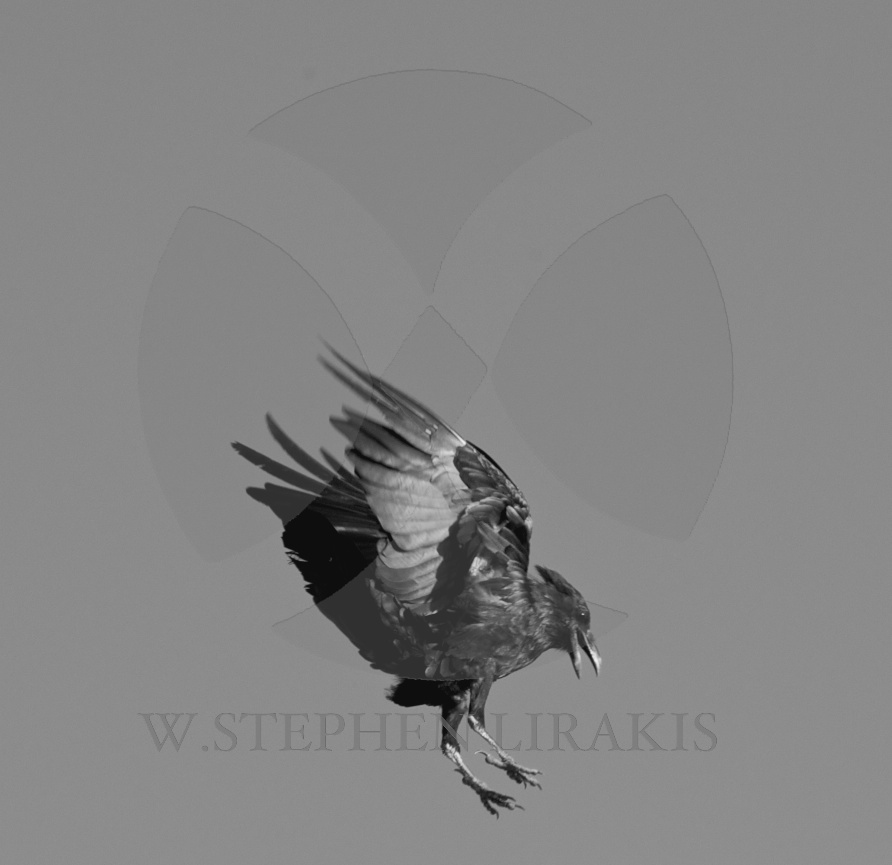
CROW LANDING
CROW LANDING
CROWS WAITING
CROWS WAITING
CROW SHADOW
CROW SHADOW

Crows have fascinated humans since the beginning of time. Throughout literature crows have played an important role. When young I had a crow which I tried to teach to talk. I convinced myself that it had indeed learned several words. I cannot tell you with any certainty that the crow actually did. I eventually let the crow free; he did have an enormous walk-in cage while in captivity.