CUP OF MERDE?

Cup of Merde: News of the City Being “Fucking Played” Reaches France

Comments (0)By Joe Eskenazi Wednesday, Apr 10 2013

Anyone curious about the French take on the America’s Cup fiasco is in for a lesson on the difficulties of translating colloquialisms, bureaucratic frustration, and swears.

Le Monde recently covered the fiscal tussle surrounding the incredible shrinking regatta: Organizers claim sales and hotel tax revenues from the race will suffice to offset anemic private fund-raising.

This was not part of the original arrangement; the city was supposed to be made whole beforehand – with tax revenue serving as a cherry on top. Per the contract, however, the America’s Cup Organizing Committee must merely “endeavor” to meet its fund-raising goal.

“I’ve shouted publicly to the rooftops how ashamed I am that I see that language” – the vagueness about “endeavor” — “and not reading into what it said. I was fucking played. All the members of the Board of Supervisors were fucking played,” Supervisor John Avalos told SF Weekly on Feb. 20.

Here’s how Le Monde translated that:

“J’avais publiquement crié au scandale pour dire mon opposition à l’emploi du terme bancal ‘s’efforceront,’ et je peux aujourd’hui dire que tous les membres de l’assemblée se sont fait foutrement avoir,” a-t-il déclaré le 20 février dans l’hebdomadaire SF Weekly.

This is a solid — but not exact – reconstruction of Avalos’ lament (“I shouted publicly to the rooftops” wouldn’t mean the same thing to a French speaker). Here’s a translation of their translation:

“I publicly cried scandal to express my opposition to the use of the wobbly term ‘endeavor,’ and I can today say that the members of the assembly were fucking played.”

Incidentally, running the business end of Avalos’ quote through a Google translator results in an incorrect — but vastly entertaining — result: “I can say all members of the assembly are done fucking you.”

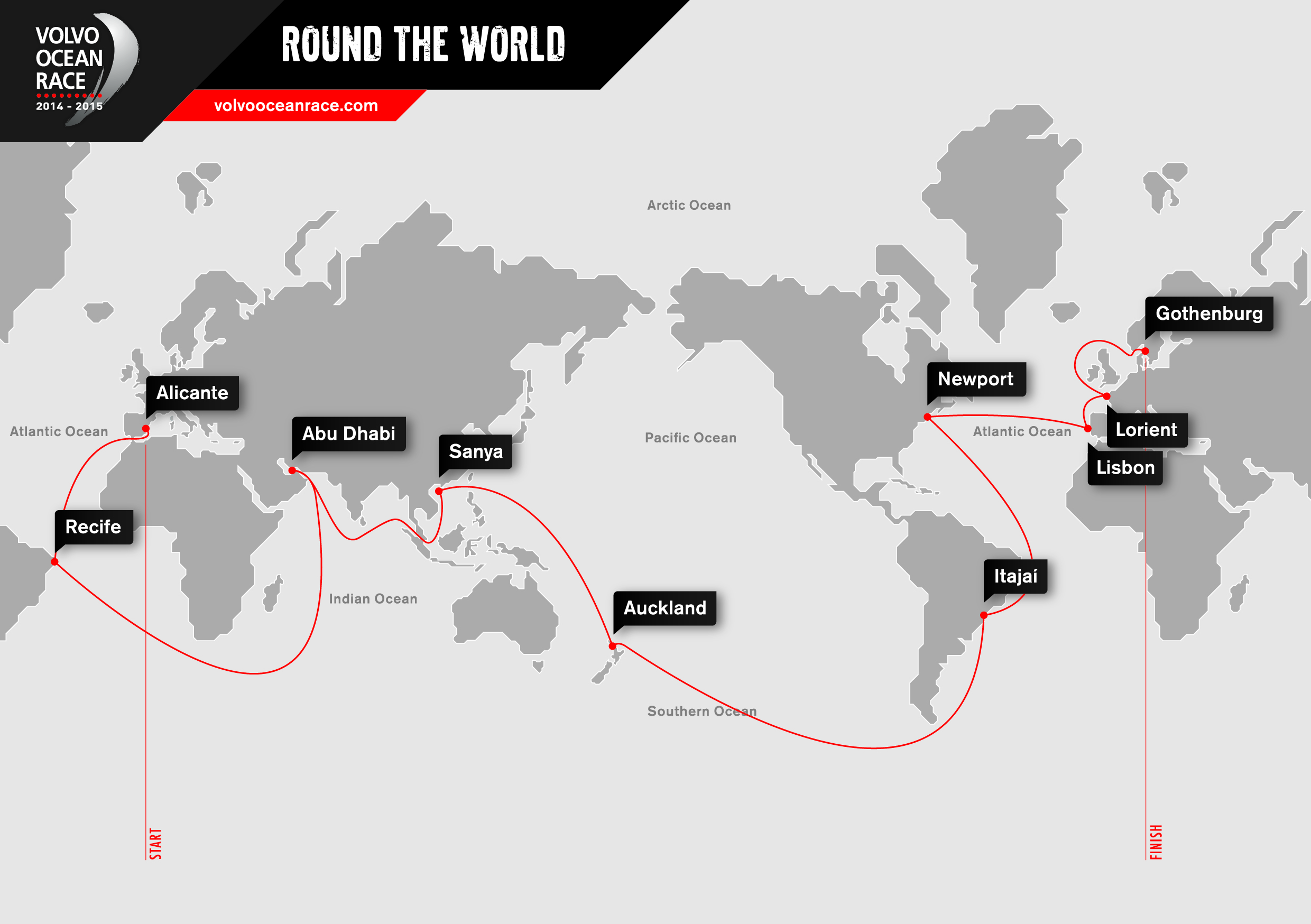
VOLVO RACE COMES TO NEWPORT


VOR 2014-2015 Official Route (210x148mm A5)

Newport is a small town. The population is 28,000 in round numbers; but it has proved to be the right venue for sailing events.Even the America’s Cup teams have all suggested that they preferred Newport. So the Volvo Ocean Race will arrive here in May 2015.

Leg Start – Leg route – Leg distance
October 11, 2014 – Alicante, Spain to Recife, Brazil – 3,421 nm
November 9, 2014 – Recife, Brazil to Abu Dhabi, UAE – 9,707 nm
January 3, 2015 – Abu Dhabi, UAE to Sanya, China – 4,670 nm
February 8, 2015 – Sanya, China to Auckland, NZL – 5,264 nm
March 15, 2015 – Auckland, NZL to Itajaí, Brazil – 6,776 nm
April 19, 2015 – Itajaí, Brazil to Newport, USA – 5,010 nm
May 17, 2015 – Newport, USA to Lisbon, Portugal – 2,800 nm
June 7, 2015 – Lisbon, Portugal to Lorient, France – 647 nm
To be decided – Lorient, France to Gothenburg, Sweden – 1,600 nm

LOOKING AT NEWPORT

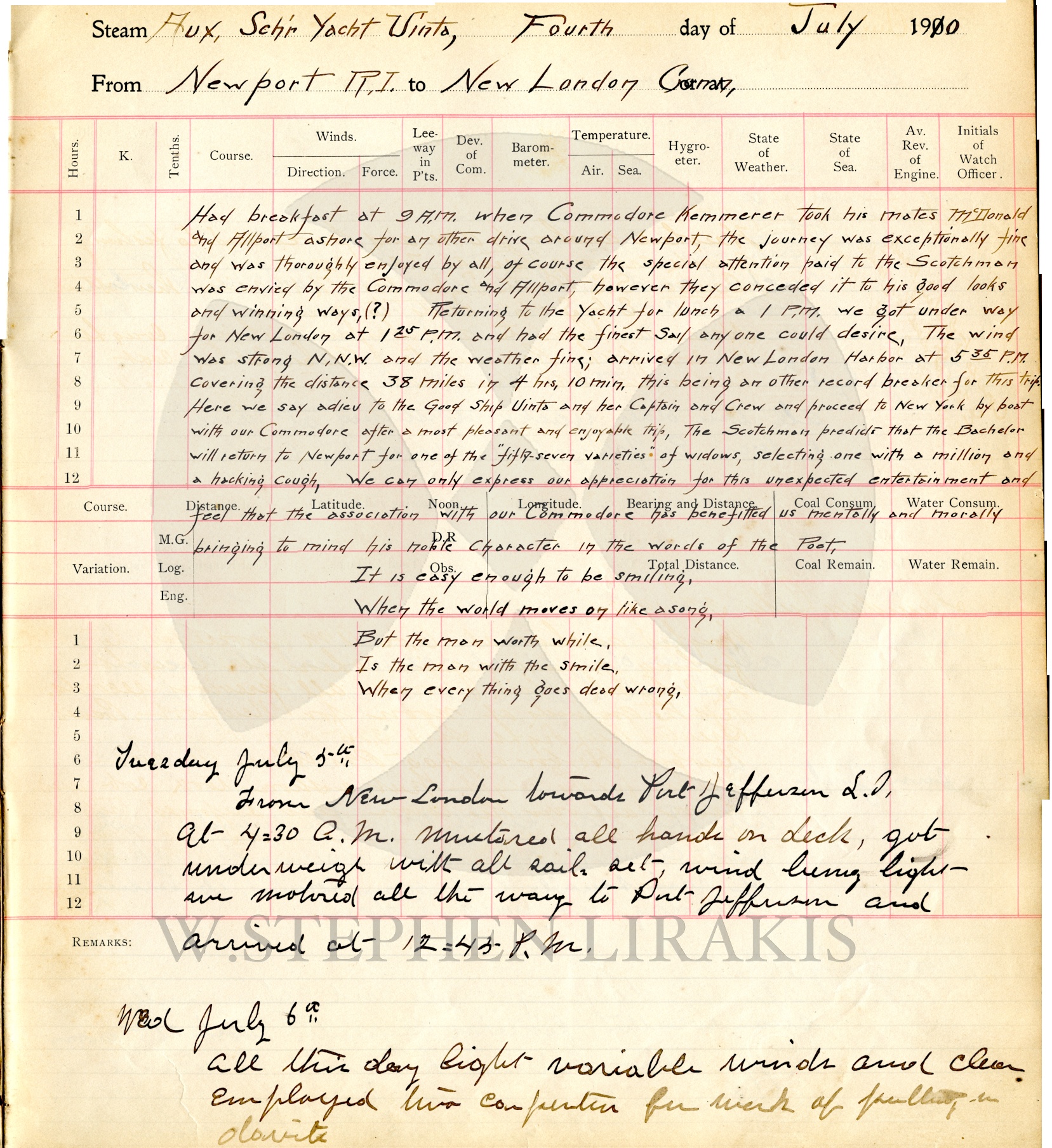
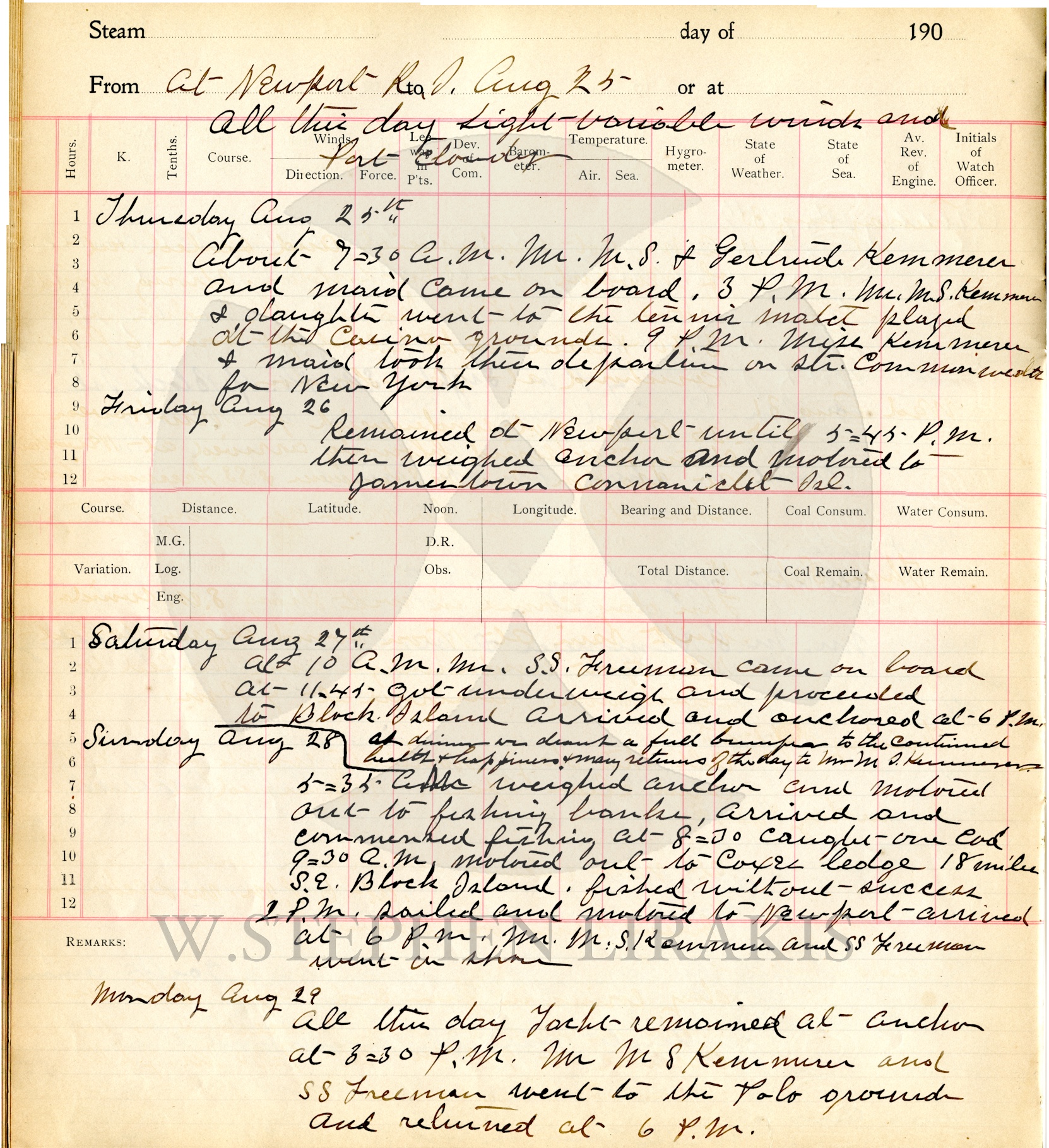
Newport Girls028 uinta 54 uinta 63 bThese are pages from a 1910 log book. Only the references to Newport are presented. There are many more. You must read the words to fully appreciate the references. The background on the book cover shows the “Casino” built by James Gordon Bennett, who among his many accomplishments was the only owner aboard his boat “Henrietta”for the the transatlantic race in 1866.

WILL AMERICA EMBRACE THE AMERICA’S CUP?

by Michelle Slade

image-130403 russell gmr
© Gilles Martin-Raget/ACEA
While he has his critics—and they are loud at times—Russell Coutts remains confident the sun will shine on the 34th America’s Cup.

These days, Russell Coutts spends a lot more time in his office than out on the water. But for the America’s Cup’s most successful skipper, it’s all part of the challenge of the game. In fact, he appears to be thriving amidst the barrage of criticism from fans, other teams, and San Francisco politicians. Though, to be fair, many people have been much more positive about the new look of the America’s Cup. He remains confident that once the event starts, the negativity will die down considerably and the racing will command everyone’s attention, just as he hoped it would.

Oracle Team USA is on Day 20 on Boat 1 with Wing 2. Boat 2 won’t launch until the end of April; what’s the plan to ensure the Defender is ready for the main event in September?
RC: We have our two foiling AC45s, which we’re training on, and once we get our two 72s on the water—the boat should launch at the end of April—we plan on sailing and racing those two boats against each other up until the end.

So, you’re feeling confident that things are looking good for the team?
RC:
 Yes, I think so far, so good for Oracle Team USA. We recovered well from the capsize, and that seems like a distant memory now. As long as we don’t get a repeat of that, we’ll be in pretty good shape. Rod Davis recently made a comment about the deception that goes on in the AC, but in my experience, that doesn’t really matter a damn. It doesn’t win or lose you the Cup. I just don’t think it’s been a big factor in any America’s Cup I’ve been involved with, it’s the media that make more of it. Whether we did or not [spy] in my opinion wouldn’t affect the outcome one little bit. When I assess our program, not only do we have a very good design team, we also have a very good sailing team, so I think we’re looking good.

Oracle and Artemis have not had the opportunity to train together for a variety of reasons.  Explain why this is a good or a bad situation for Oracle.
RC:
 Probably bad because it’s always good to work out with another team; the more we can sail with a team like Artemis on a regular basis, it enhances the competitive juices and shows you a different perspective about things. You can learn a lot.

After Artemis had a brief chance to sail alongside Oracle’s second AC72, they then decided to add foils to their boat. Can you comment on that chain of events?
RC:
 Things are changing so fast with the technology, and I don’t think any of it is particularly earth shattering in that foils have been around a long time. I think there’s design talent in that team that could analyze the situation pretty quickly. Probably they’ve also got an AC45 that they’re practicing foiling in. They could probably learn a lot just from looking at what some of the other teams have done and factor that into where the future is going, and they may end up just as well off, or even better. The playing field is changing so fast I don’t think it’s necessarily all about sailing time on the water and time with the equipment. It may be more about the choice of the equipment you choose to build and how you apply that to the boat at the end of the day that matters. In 1995 AC Team NZ launched our boats literally just months before the Cup—I think two months before racing began. Some other teams sailed much longer that that; developed boats full size etc. But we chose a better design path, got a better design product, and that was the winning factor. There are plenty of other examples over the years. It’s easy to fall into the trap of saying, “We’re doing more, and therefore it’s going to be better.” I don’t necessarily think that’s the case. I only think you need to have to have the best equipment on race day, nothing else matters.

How will the course on San Francisco Bay be adapted to manage AC72 racing?
RC:
 I don’t think there’s going to be much difference, and the sailors will adapt to the shorter confines of the course. Just like any of the boats over any of the AC generations, people start off by saying that they’ll never be able to sail about, that they’ll be so difficult, and so on. After the crews become pretty good at it, they say, “Well, actually we can.” Even the Version 5 boats, racing them inside Auckland Harbor, if you had gone back to the very origins of that class, people thought we couldn’t possibly do that. It may start off being a really tight racetrack for the teams, but after a while they’ll get used to it.

What was your favorite World Series venue, and what’s the plan for continuing it beyond this spring?
RC:
 There is a plan to continue and expand the concept, there’s no doubt about it. If Oracle Team USA were fortunate enough to win, there’d be a break while things got reorganized, but the plan would be to continue it for sure. San Francisco was probably the best just because of the wind conditions, etc., but I also thought Newport was good. Frankly, they’re all good—Plymouth was a good venue when you look back. It has been a great series. You have to remember that two years ago—August 2011—this thing started. Before that we had nothing. There have been a lot of situations where you could have done a lot of things better, but that’s good news for the future. We now have a concept that did work, that did create excitement, and that did turn out to be a good television product. I think it’s nicely in a position of refinement now, making sure that costs are well managed, making sure that the television production follows the right process, making sure that the competition itself develops into a meaningful format in that there’s more teams in the game. These things will make the product better in the future.

You’ve won the Cup for other countries and seen the national response to sailing in other countries. What do you think are the key differences about the perception and response to sailing in the United States?
RC:
 I don’t think there is that much difference actually in the U.S. Let’s wait and see after this America’s Cup and after the national broadcasting. If you’re comparing the America’s Cup in San Diego to some of the other America’s Cups, it was hard to get interested in San Diego when there was no real event village and the racing was miles out to sea, where no one could see it. You’d have to be an extreme optimist to think that was going to be a great series. Now we have a proper event village, a festival of activities, and racing will be right on shore for people to see it. Just as they started to at the World Series events, Americans are going to think this will be a fun thing to come along and be part of. In Newport, R.I., the town itself almost because an America’s Cup village. Imagine if they had opened up racing inside Newport Harbor what it would have been like. As it was, it was pretty good. Moving it into a major city is another jump again. I say let’s wait and see how Americans respond this time.

If you win the Cup, what changes would you foresee?
RC:
 I think the idea of ACRM has been a good one, where you have an entity that manages the competition on behalf of all the competitors. That concept could be expanded more widely to the America’s Cup, where you do things more collectively rather than as one entity. I think you also could, with cooperation from all the teams, do things for a longer term to allow the media and sponsorship partners, etc., to participate for a longer term. For example, all of the competitors who enter next time would agree to keep to a certain format and certain type of boat, certain venues in the World Series, etc., even if they won the next America’s Cup. And instead of extending [a format] to only every four years, you’re up to eight straight away which gives you more scope to develop the product and create more value for the commercial partners and media. A simple example is media rights. A lot of the big media players would probably find this much more valuable if they could sign up for longer term rights. If you know your entries and you know one of them is going to win the next America’s Cup and they agree to take over those rights should they win, then all of a sudden you can give those media companies what they want. It would make a big difference, for example, if we knew that after this event, NBC would be carrying on for the next one as well. These are the sort of things that could be expanded in the future.

Do you miss being on the boat?
Some days, but other days not. The America’s Cup is an incredibly challenging world. There are lots of things going on, and that’s the great thing about it. I certainly love my time sailing, but I also like the complexities and challenges involved elsewhere as well. It’s fun at all levels.

CARINA DAY

ORIGINAL LINES
ORIGINAL LINES
FATHER AND SON
FATHER AND SON
RICHARD B. NYE
RICHARD B. NYE
AUDIENCE
AUDIENCE
REEVES POTTS AND KIT WILL
4TH OF JULY 1969
4TH OF JULY 1969
THE "NEW" CARINA
THE “NEW” CARINA
BODIE RHODES, RICHARD B. AND RICHARD S.
CHASING RAGAMUFFIN 1969

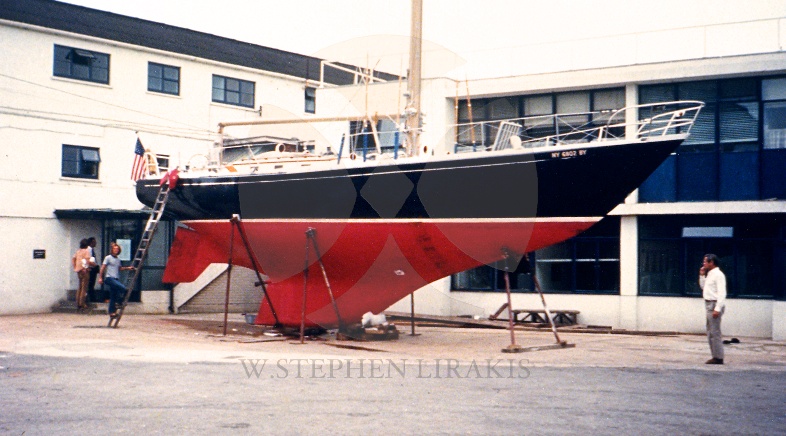
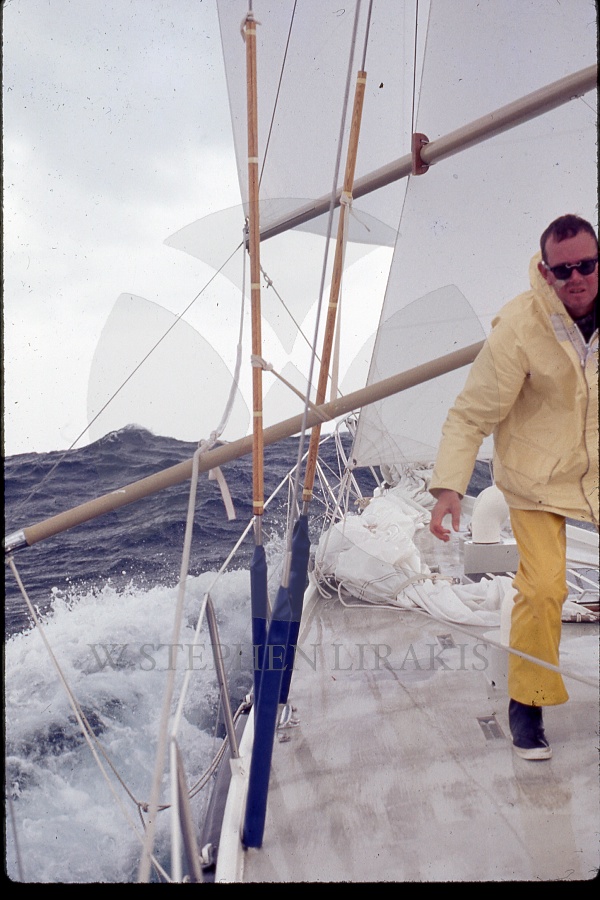
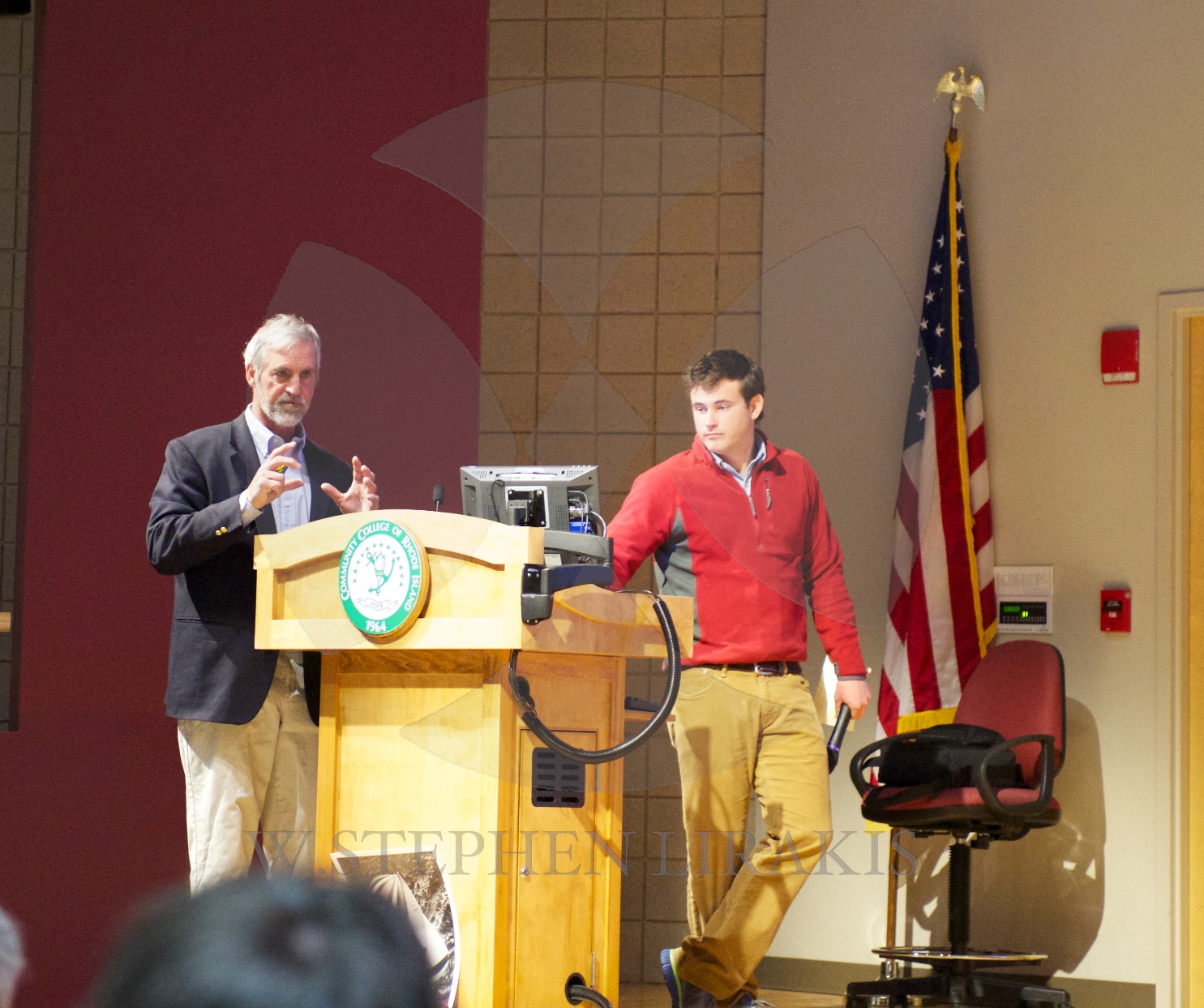
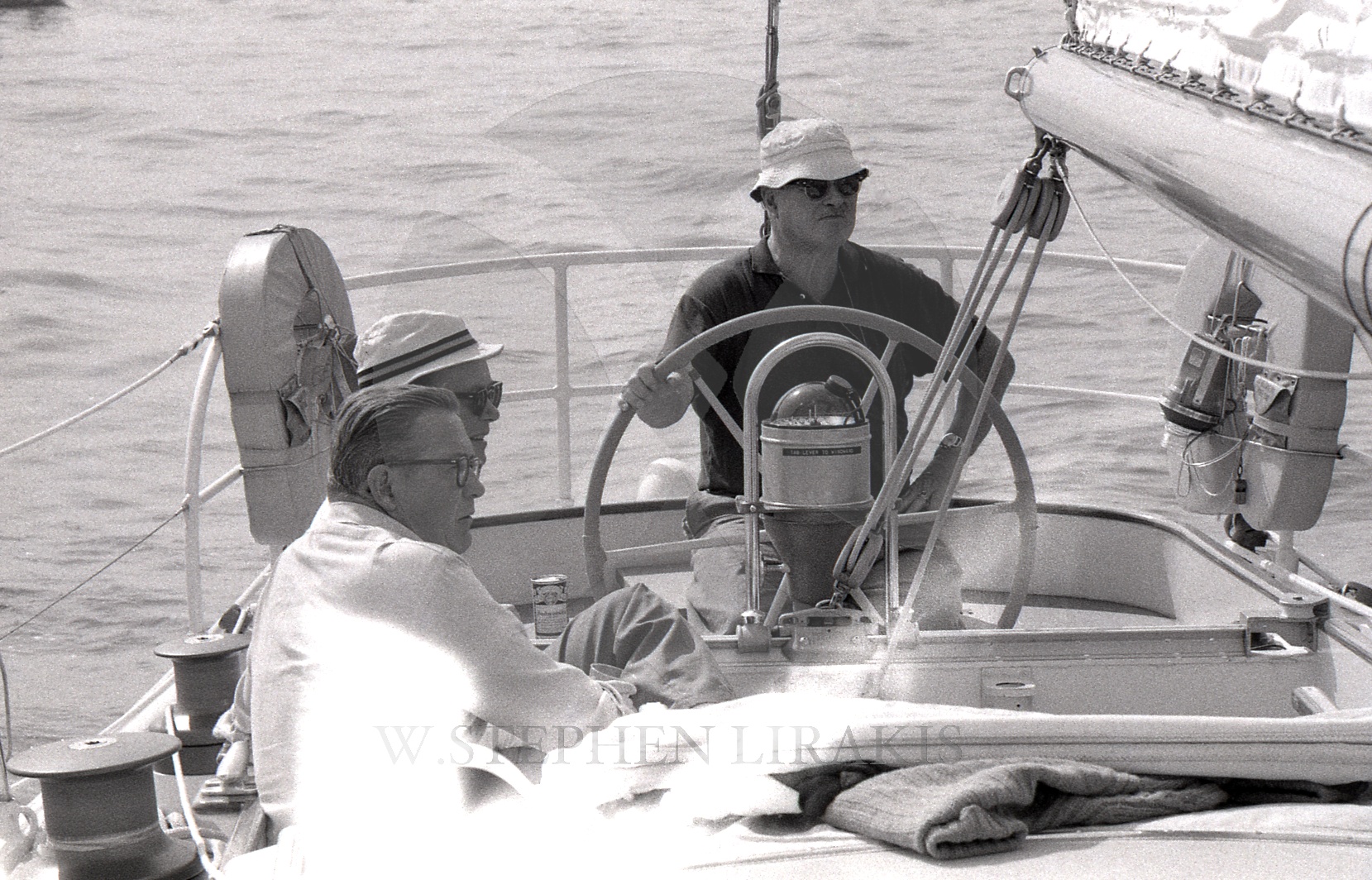
Today was “Carina” Day. In Newport, Reeves Potts and some of his crew spoke of their 2 year campaign. The bookends of the story were two Bermuda race wins. In between were a transatlantic race, the Sydney-Hobart race and an around the world delivery.

At Indian Harbor Yacht Club today was a Memorial service for Richard B. Nye. In a sense, the final chapter of the legacy of “Carina” and the Nye family.

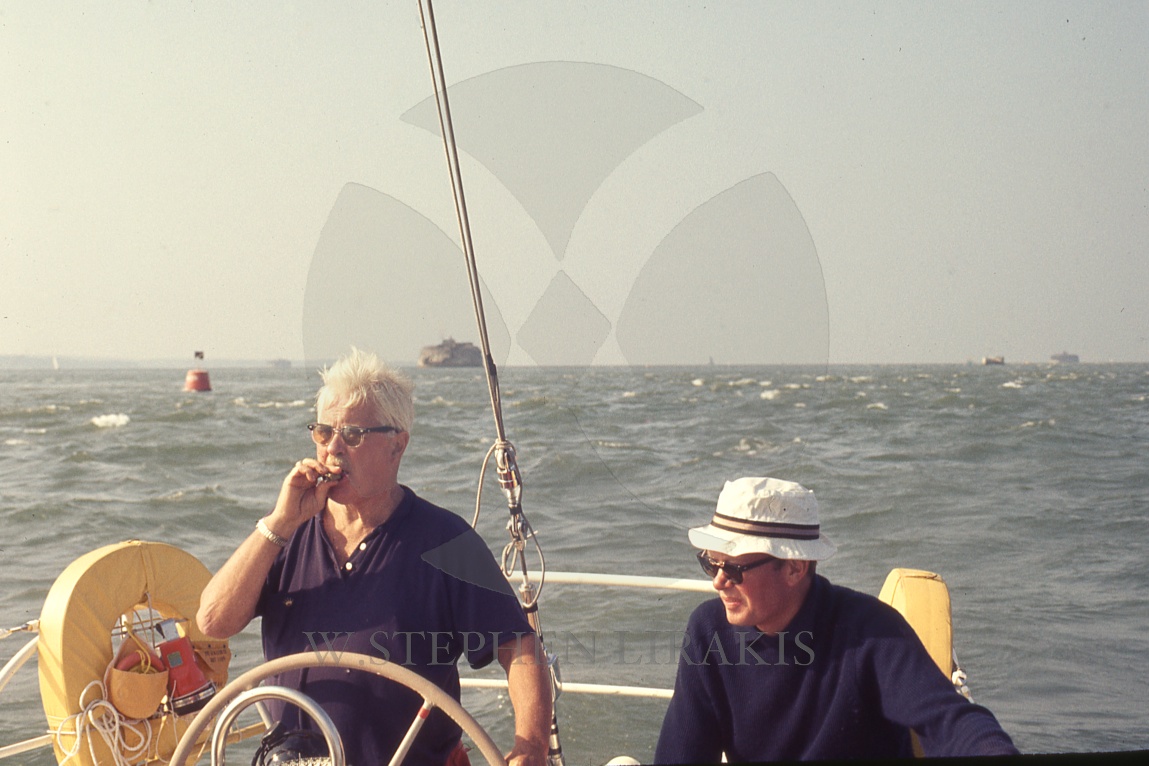
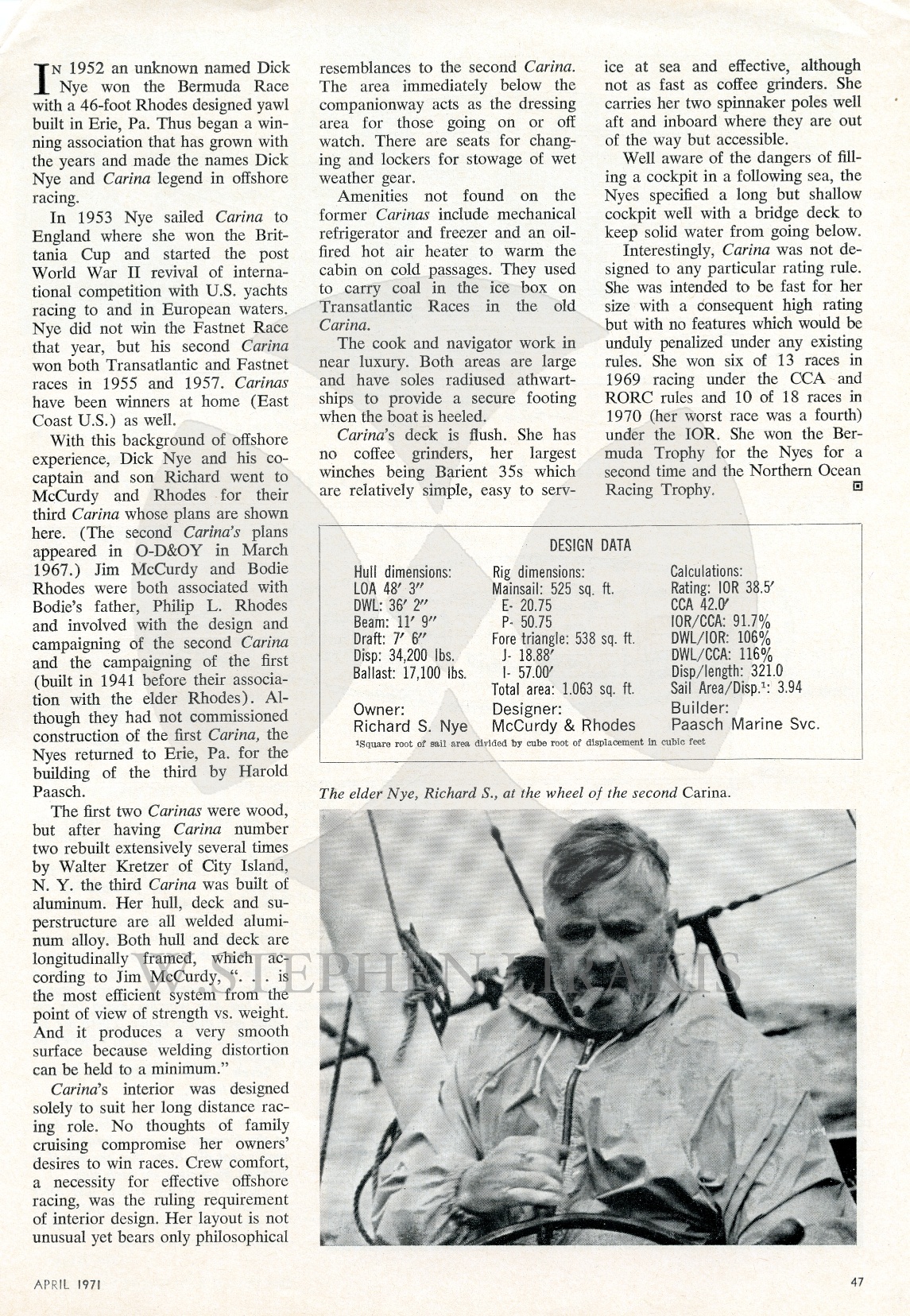
Much has been written about the boat and it’s accomplishments; but perhaps not enough emphasis has been focused on the father and son team that forged that legacy. They worked together and played together a lifetime. That itself is noteworthy.

Reeves Potts, intentionally or not is carrying on that legacy.

BIG BOATS

Move Over Eclipse, There’s A New World’s Largest Superyacht in Town

BY  ON 

483689_359444834173534_1692612341_n

Photo courtesy Lürssen Yachts facebook.

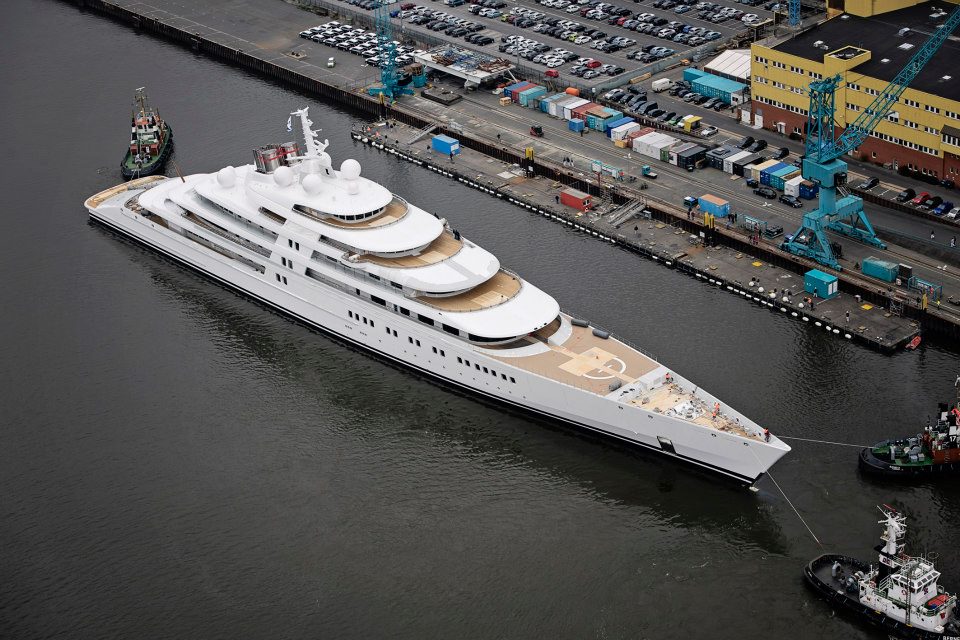
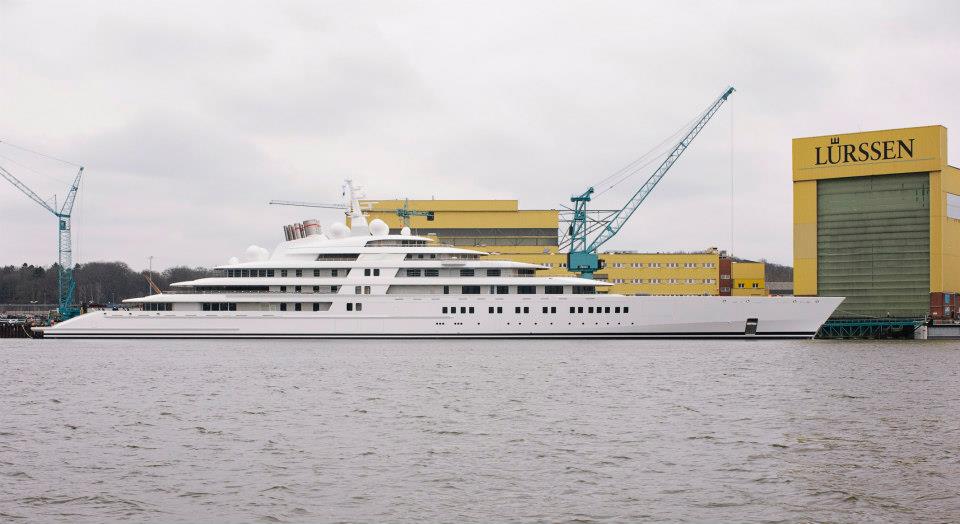
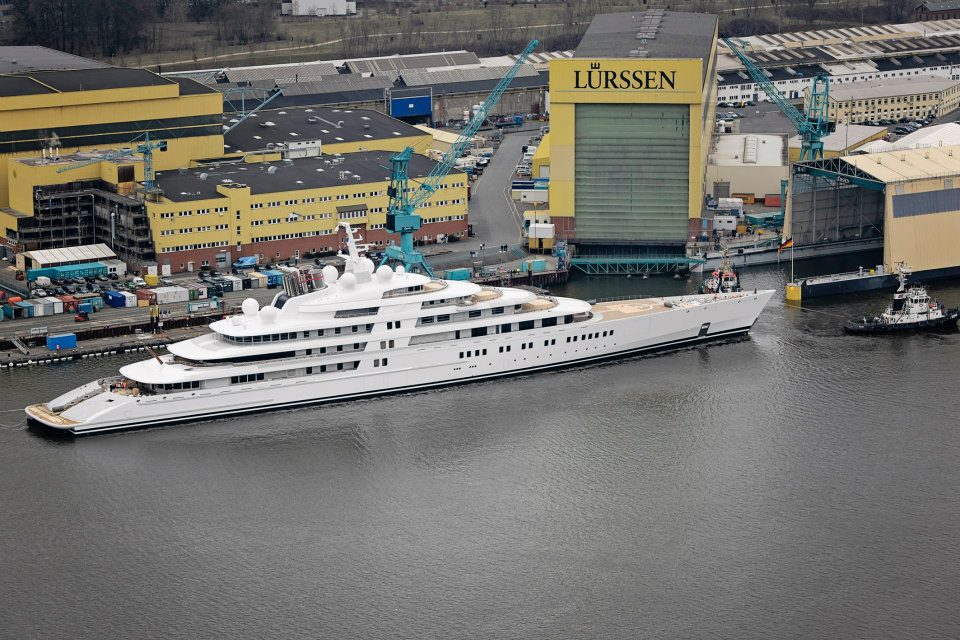
Germany’s Lürssen Yachts on Friday launched what is now the largest superyacht in the the world.

Named Azzam, the superyacht measures an astonishing 180 meters (that’s 590 feet!), beating out the former World’s Largest Superyacht title holder, Roman Abramovich’s Eclipse, which only measures a measly 536 feet.

The Azzam was designed by Italian yacht designers Nauta Yacht Design, and built by Lürssen at the company’s yard in Bremen, Germany.

The superyacht is rumored to have cost a whopping £450 million, paid for by a so-far unidentified owner.

The 180m Azzam is said to have a top speed of 30 knots.

Lürssen says the yacht will be delivered in the next few months following sea trials and final detailing.

Here are some more photos from today’s launch.

Photo courtesy Lürssen Yachts facebook.

Photo courtesy Lürssen Yachts facebook.

547809_359444847506866_342259979_n

Photo courtesy Lürssen Yachts facebook.


BUY YOUR TICKETS NOW!

Tickets Go On Sale For 2013 America’s Cup In San Francisco
Individual tickets for up to 50 days of action during the Summer of Racing can be purchased starting at just $15.

Individual and group tickets are available in the following seating locations:

– America’s Cup Village: The America’s Cup Village represents the largest, most centralized land-based viewing experience. Located in the heart of Marina Green, the grandstands offer unobstructed views of the Bay and the starting line for spectators to enjoy the racing. Fans will experience live race commentary and have access to nearby stores and exhibits. Within America’s Cup Village, fans can purchase tickets to The Deck, East Grandstands, West Grandstands, and Race Course Bleachers.

– SS Jeremiah O’Brien: Historic WWII Liberty Ship SS Jeremiah O’Brien offers a “50-yard line” view of the race course. “Liberty Ship Experience” guests will witness the intense AC action up-close from the decks of this National Historic Landmark, while enjoying luxurious appointments, modern amenities and access to the finest food & beverage concessions.

– PIER 39: Complete with open bleacher seats and a lounge area with reception-style furniture, the PIER 39 Rooftop Lounge experience is the premier public spectator event for the 2013 America’s Cup. Its elevated nature offers unparalleled views of the entire race course for the America’s Cup Finals. Live race footage and commentary will be broadcast throughout the venue. Gourmet catering options, including alcohol, are included with each ticket.

– On-Water: Fans will have the opportunity to purchase individual tickets or charter an Official Stake Boat or Support Boat to view the action at a premium location on the Bay. This program includes a wide variety of vessels to accommodate all price points and capacities.

A full overview of each space, including amenities and pricing, can be found onwww.Americascup.com/experience

America’s Cup venue music events given approval

By: Andrea Koskey | 04/02/13 10:07 PM
SF Examiner Staff Writer | Follow On Twitter @SFEX_koskey
America's Cup
COURTESY RENDERING
The 9,000-seat America’s Cup Pavilion will hold as many as 30 concerts between May 31 through Oct. 15.

The entertainment permit that would allow dozens of concerts to be held at the America’s Cup Pavilion was approved unanimously Tuesday night by the Entertainment Commission, despite objections from surrounding neighborhoods.

As many as 30 nighttime concerts could be held at the 9,000-seat venue, located at Piers 27-29 as part of the America’s Cup Village. The venue will be used as a viewing area for races during the America’s Cup and related events this summer and fall.

Entertainment Commissioner Glendon Hyde applauded Live Nation’s outreach with neighbors before Tuesday’s hearing.

“I do understand it’s going to be an inconvenience,” he said. “But I would’ve rather seen the neighborhood lobbying their mayor and supervisor for money to go from this inconvenience to tackle the gang warfare from happening on Broadway. I don’t think stopping these concerts is the answer.”

Neighbors with the Telegraph Hill Dwellers submitted a letter to the commission, stating that while progress had been made, they’d still like to see more compromise from the venue and its organizers. Neighborhood groups hope to have the number of maximum events drop to 20 and have events end 30 minutes earlier than currently scheduled. Weekday events are expected to end by 10:30 p.m., while Friday and Saturday events are expected to end by 11 p.m., per the amended permit application.

RELATED…

America’s Cup Pavilion

Concerts at America’s Cup venue scaled back

03/31/13 4:00 AM
The number of concerts planned for the America’s Cup Pavilion on the northern waterfront is being scaled back ahead of a hearing for the venue permit at the Entertainment Commission on Tuesday. Instead of as many as 40 concerts between May 31 and Oct. 15, there will be up to 30, according to pavilion organizers and neighbors.Read More

Matt Prieshoff, chief operating officer for Live Nation, said the outdoor pavilion is a unique opportunity for The City.

“The most musical city in America is San Francisco,” Prieshoff said. “Two out of every 1,000 habitants are artists. The arts are incredibly important to San Francisco. It’s unique for San Francisco not to have an outdoor amphitheater.”

Concerts will start May 31 with Imagine Dragons. Sting, Jason Mraz, Steve Miller Band, Train and the Jonas Brothers, among others, have already been confirmed for shows throughout the summer. Concerts are not expected to be held past Oct. 15 since America’s Cup organizers need to turn the pier back over to the Port of San Francisco by Oct. 31.

akoskey@sfexaminer.com

Read more at the San Francisco Examiner: http://www.sfexaminer.com/local/development/2013/04/america-s-cup-venue-music-events-given-approval#ixzz2PUhE3Pz7

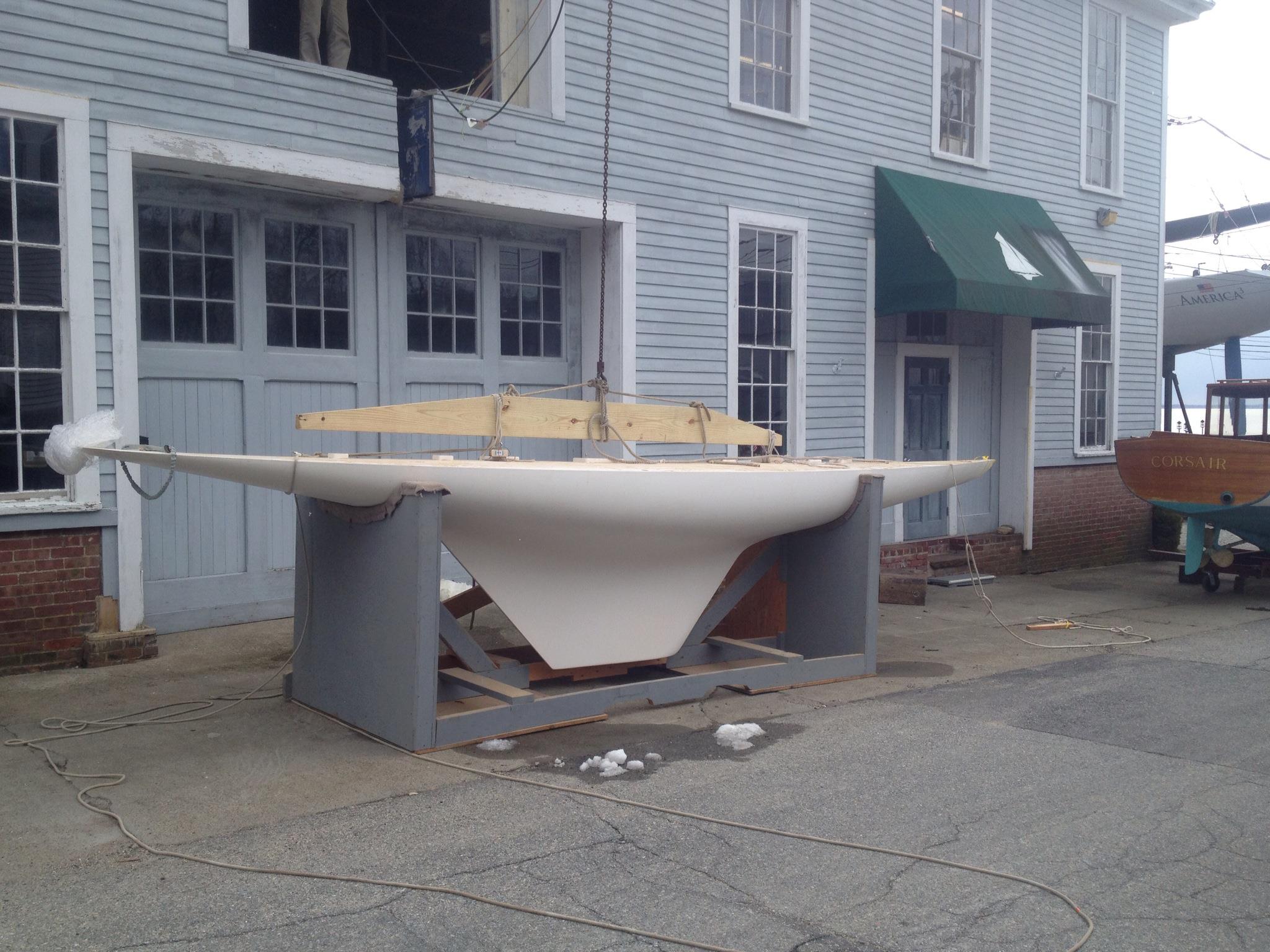
RELIANCE MODEL AT THE HERRESHOFF MUSEUM

The Reliance model on the ground and upright is a big step forward for the project at the Herreshoff Marine Museum. Reliance, defended the America’s Cup in 1903, and was the largest boat ever to do so. I am nor sure if she would fit under the Newport Bridge today.