WORTH THE READ

Does culture matter for economic success?

By Fareed Zakaria

“Culture makes all the difference,” said Mitt Romney at a fundraiser in Israel last week. He was comparing the country’s economic vitality with Palestinian poverty.

Certainly, there is a pedigree for this idea. Romney cited David Landes, an economics historian. He could have cited Max Weber, the great German scholar who first made this claim 100 years ago in his book The Protestant Ethic and the Spirit of Capitalism.

The problem is that Weber singled out two cultures as being particularly prone to poverty and stagnation. They were China and Japan. But these have been the world’s fastest-growing large economies over the past five decades.

Over the past two decades, the other powerhouse has been India, which was also described for years as having a culture totally incompatible with economic success, hence the phrase “the Hindu rate of growth,” to describe the country’s once-moribund state.

Remember, China was stagnant for centuries and then suddenly and seemingly miraculously, in the 1980s, began to grow and industrialize three times faster than the West did. What changed wasn’t China’s culture, which presumably was the same in the 1970s as it was in the 1980s. What changed, starting in 1979, were China’s economic policies.

The same is true for Japan and India.

Had Romney spent more time reading Milton Friedman, he would have realized that historically, the key driver for economic growth has been the adoption of capitalism and its related institutions and policies across diverse cultures.

The link between economic policies and performance can be seen even in the country on which Romney was lavishing praise. Israel had many admirable traits in its early decades, but no one would have called it an economic miracle. Its economy was highly statist, even socialist.

Things changed in the 1990s with market-oriented reforms, initiated by then-Finance Minister Benyamin Netanyahu, and also sound monetary policies. As a result of these policies, Israel’s economy grew much faster than it had in the 1980s. The miracle Romney was praising had to do with new policies rather than deep culture.

Despite all this evidence, most people still believe that two cultures in particular, Islamic and African, inhibit economic development. But the two countries that will next achieve a gross domestic product of $1 trillion are both Muslim democracies – Turkey and Indonesia.

Out of the 10 fastest-growing economies in the world today, seven are in Africa. The world is changing, and holding on to fixed views of culture means you miss its changing dynamics.

But culture is important. It’s the shared historical experience of people that is reflected in institutions and practices.

But culture changes. German culture by 1955 was very different from what it was in 1935. Europe was once a hotbed of violent nationalism; today it is post-nationalism and almost pacifist.

The United States, meanwhile, was once an isolationist, agrarian republic with a deep suspicion of a standing army. Today, it has half of the world’s military power.

Daniel Patrick Moynihan, the former U.S. senator, once observed: “The central conservative truth is that it is culture, not politics, which determines the success of a society. The central liberal truth is that politics can change culture and save it from itself.”

That remains the wisest statement made about this complicated problem – and probably too wise to ever be uttered in an American political campaign.

FELIX TURNS ONE AND KATSINAS

The collection of Katsinas on exhibit at the Autry Museum is in fact part of the collection from the museum of the SouthWest ( the oldest museum in Los Angeles) started by Charles Lummis, an almost Harvard graduate. I am always so glad that the past is preserved in places such as this. I marvel at the elegant creativity of humanity.

The afternoon was Felix’s birthday party. He will not remember it except through these photos, but then what are grandparents for? People stayed around after the party until children were really too tired. My daughter-in-law decided to see if she still fit in the outfit she had used to perform in New York City some years before Felix came along.


FELIX TURNS ONE ON FRIDAY

The main reason for our travel to California is to see our grandchildren and children. Luc will be 1 1/2 years our on the day of Felix’s first birthday. Like any grandparent our hearts go soft at the thought of these young boys. It is made easier by the fact that they are so good natured and happy. We will celebrate Felix’s first birthday on Friday along with a group of his friends.


EL CAMINO REAL

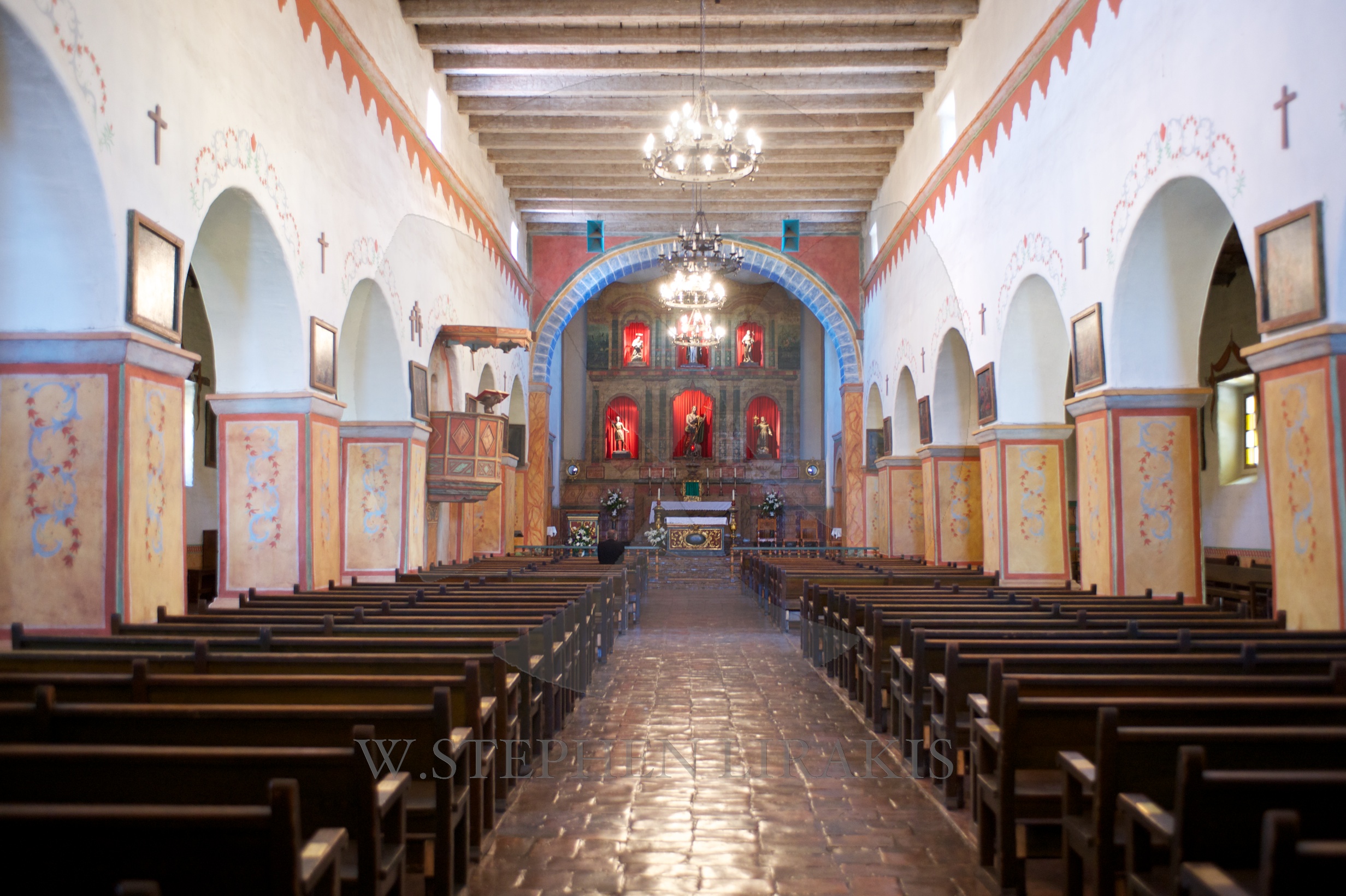
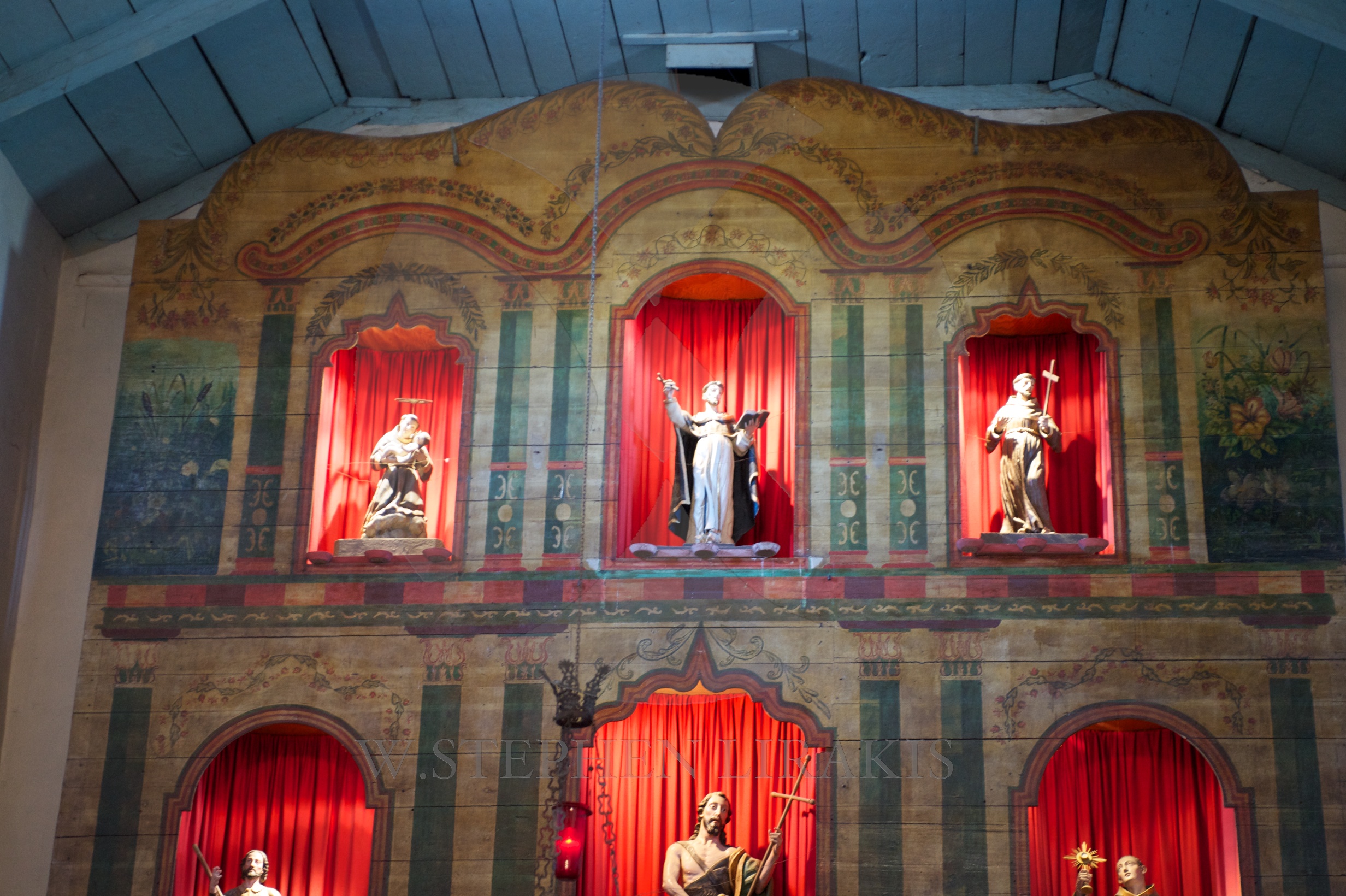
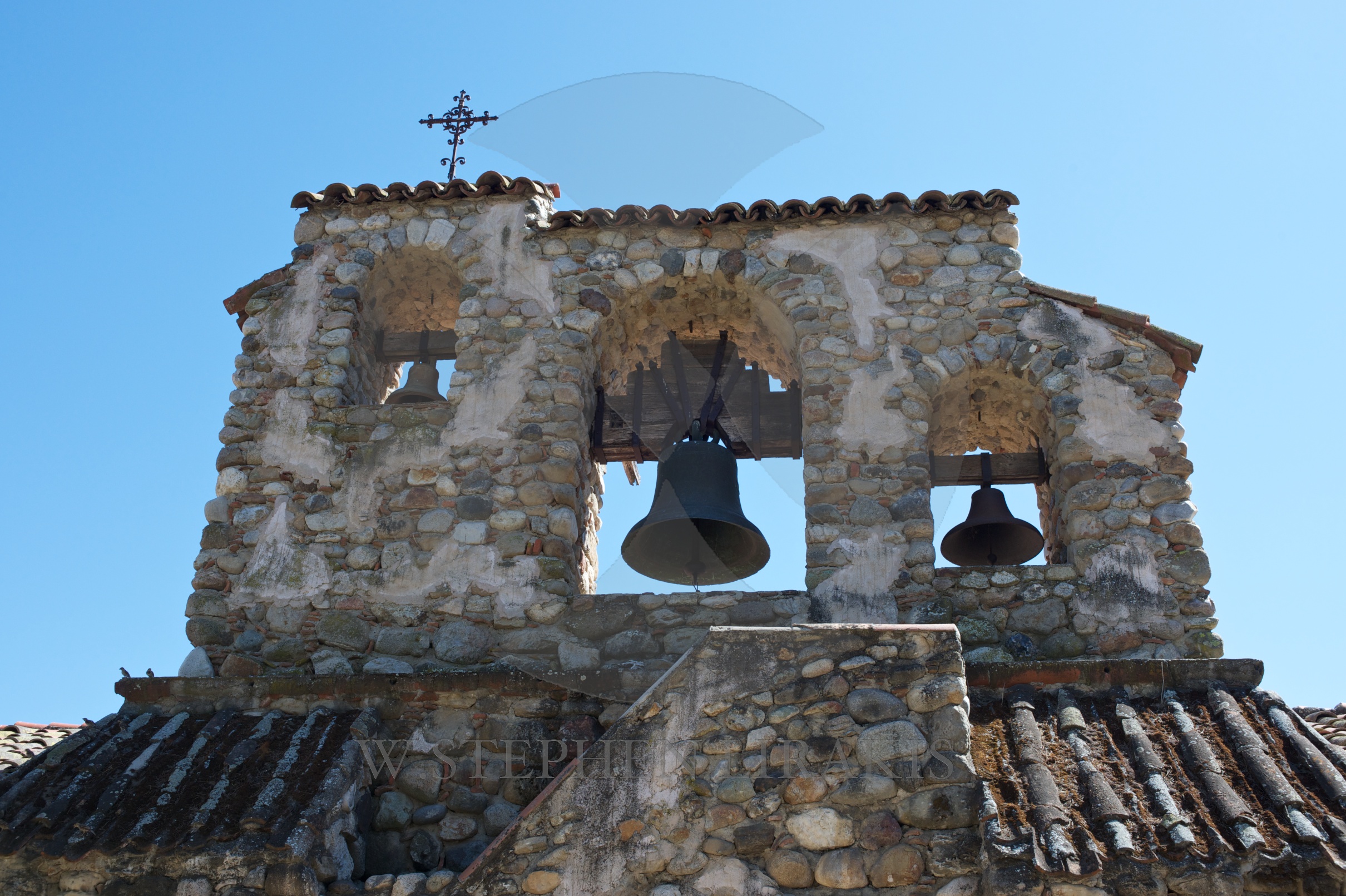
Every day, either I don’t quite know what to say; or there is so much happening (like the olympics) I have trouble choosing. The history of California, the United States, American Indians, Spain is combined in these fabulous examples of culture and history. I cannot help but be in awe of the Missions. Here is but two examples of the the 21 missions comprising the camino real.  San Miguel, virtually intact from the 18th century, and San Juan Bautista is restored so well that it is hard to distinguish old from new.

I am not certain how we as Americans react to the aspect of our history that is so tied to Spain and Mexico.

I feel the need to mention the Franciscan Nun, who is the guardian of San Miguel.

SAN FRANCISCO AND FOG

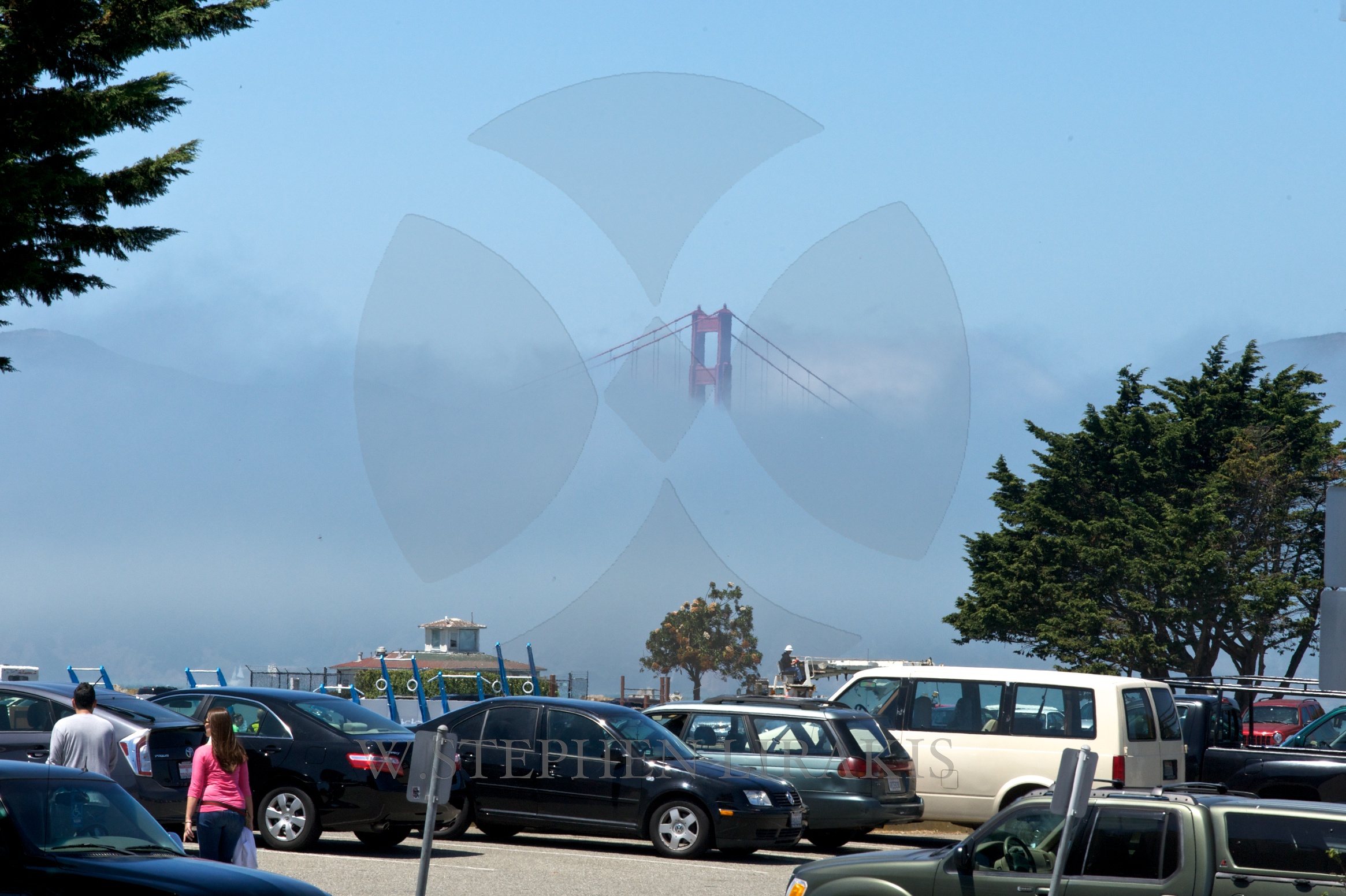
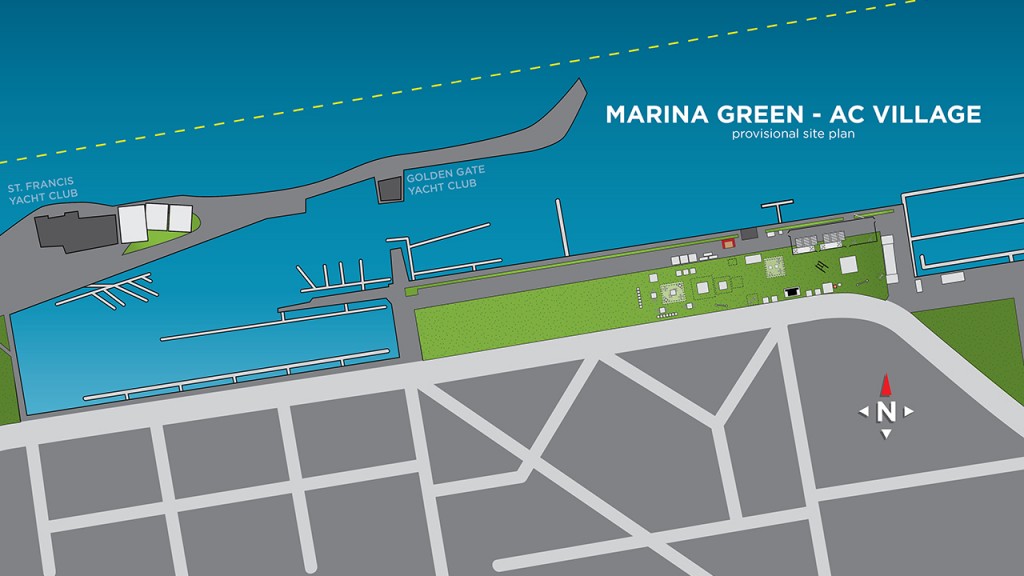
Yesterday I visited the sites for bases for the next America’s cup. The fog rolled in and out several times yesterday. Many of us are intrigued about the weather here in San Francisco, if the window for weather will co operate during the racing. These photographs were taken after noon and as you see the fog is ever present.

I JUST WANT TO SEE THE SAILING

I was looking around on the internet for information about parking near Marina Green during the America’s Cup event in August in San Francisco. I still do not know where I can park. In today’s world it is one of the first questions one asks.

MARINA GREEN


America’s Cup yacht regatta organizers are attempting to redefine sailing by offering a free show to anyone who can find a clear view of the race course on San Francisco Bay. But that’s not to say race officials will neglect sailing’s historical fan base among the rich.

Last week, the America’s Cup released VIP packages offering prime seating and other perks such as easy parking and wine tastings from top-notch Napa Valley vineyards. You and 10 guests can have all of that — over a four-day period — at a price tag of just $26,000. Individual tickets for the same four-day package will go for $3,000, and
two-day passes will cost $1,500.

The tickets are being offered for the cup’s 2012 events in San Francisco, including a round of races from Aug. 23 through Aug. 26 and another series that coincides with Fleet Week from Oct. 4 through Oct. 7. Those races will involve the AC45 boats, which will be dwarfed in comparison with the 72-foot yachts planned for the America’s Cup finals coming to San Francisco in September 2013.

The VIP area will be set up adjacent to the St. Francis Yacht Club in The City’s Marina district. Promoters have touted the America’s Cup as the third-best international revenue magnet for host cities — outdone only by the
Olympics and the World Cup.

Normally raced on the open ocean, the 2013 edition of the America’s Cup will be available for wider public view because of the highly touted “natural amphitheater” created by the rim of the Bay. For spectators, especially those willing to pay $26,000, organizers are promising a big show.

“The boats are wing-sailed catamarans, capable of sailing twice the windspeed,” says a brochure for the VIP passes. “Sailing fast is easy, maintaining control is critical, and the physical challenge imposed on the athletes is immense.”

dschreiber@sfexaminer.com

Read more at the San Francisco Examiner: http://www.sfexaminer.com/local/2012/06/america-s-cup-vip-tickets-going-26000#ixzz227GidBVE

OLYMPIC FEVER

I love watching the Olympics. Ben Anslie is probably the best know name in sailing. He will be in San Francisco four days after he finishes in Weymouth; sailing for Oracle. So much for national pride.
For most of you the idea of sponsorship is an everyday thought. For me, the tiny reference about his coach sailing when there was no sponsorship and you had to make your way on your own resonates. I had qualified, but the idea of asking other people for help so I could go sailing was more than I dared to do. I could not afford to persue that path and had to move on. It is a different world. When I sailed in the America’s Cup it was amateur as well. As one friend said to me:” we were lucky to get a T shirt or a belt.”