


I like Sonoma better than Napa. I am not certain I can explain why.
I like Sonoma better than Napa. I am not certain I can explain why.

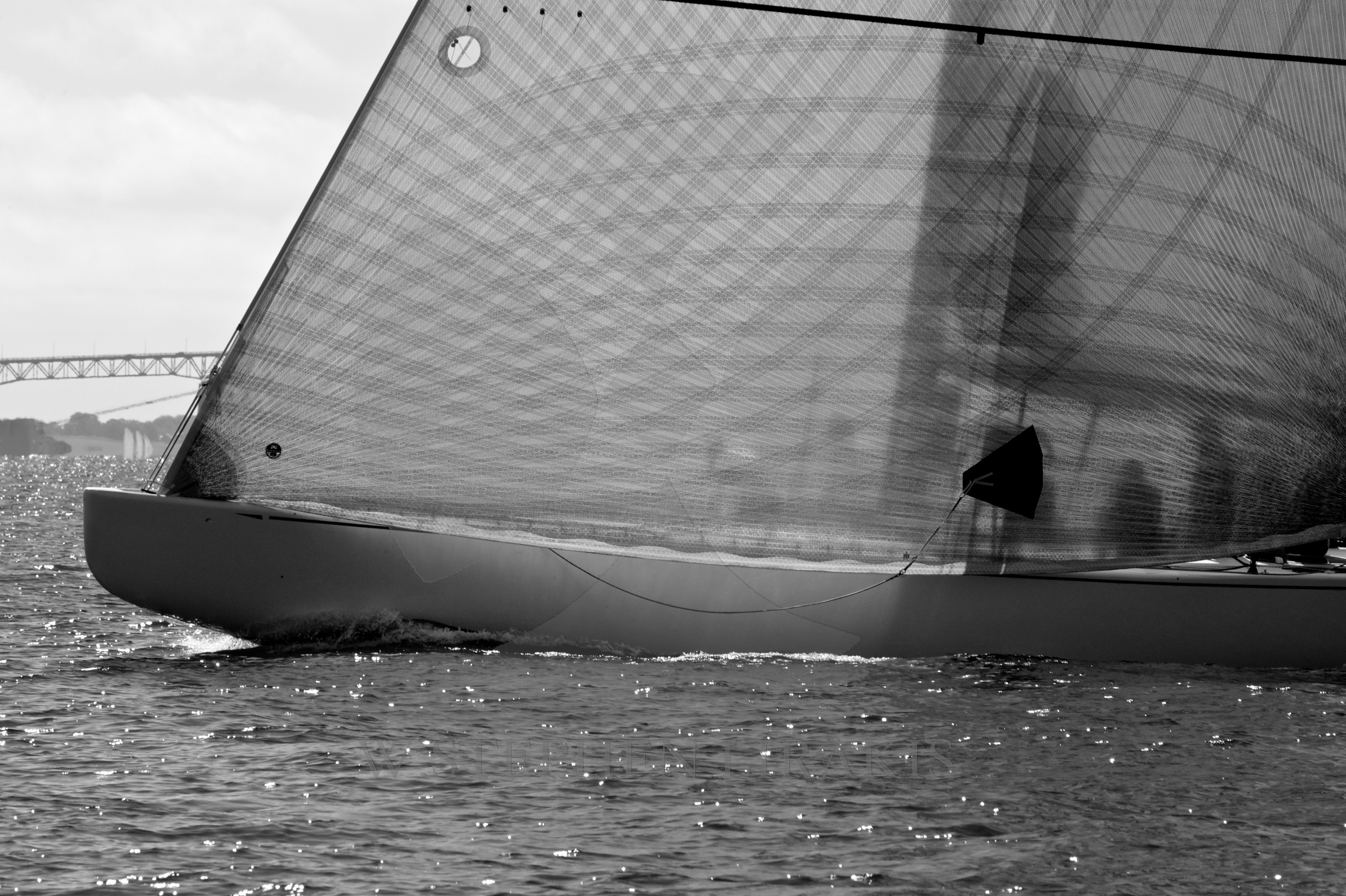
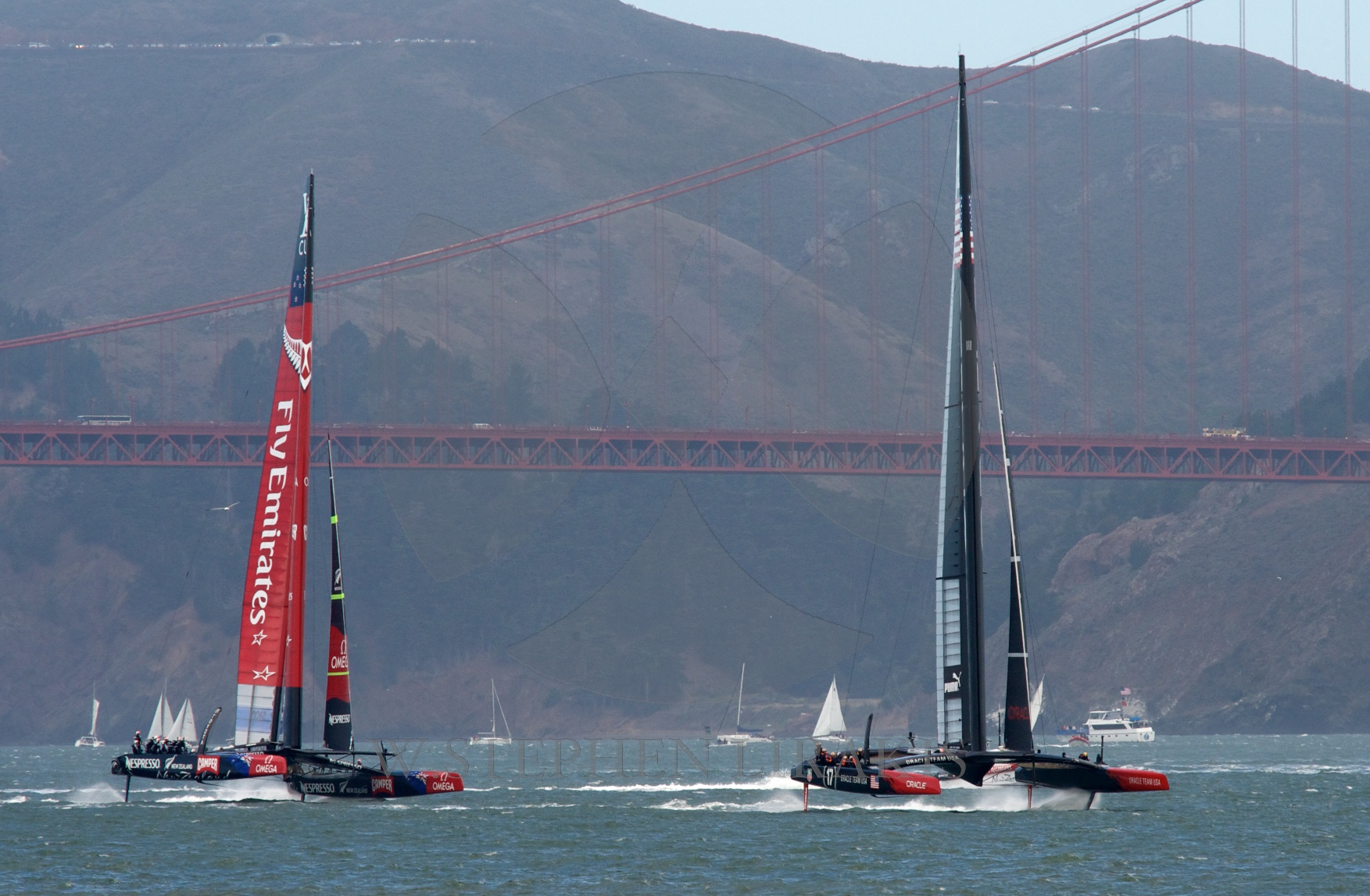
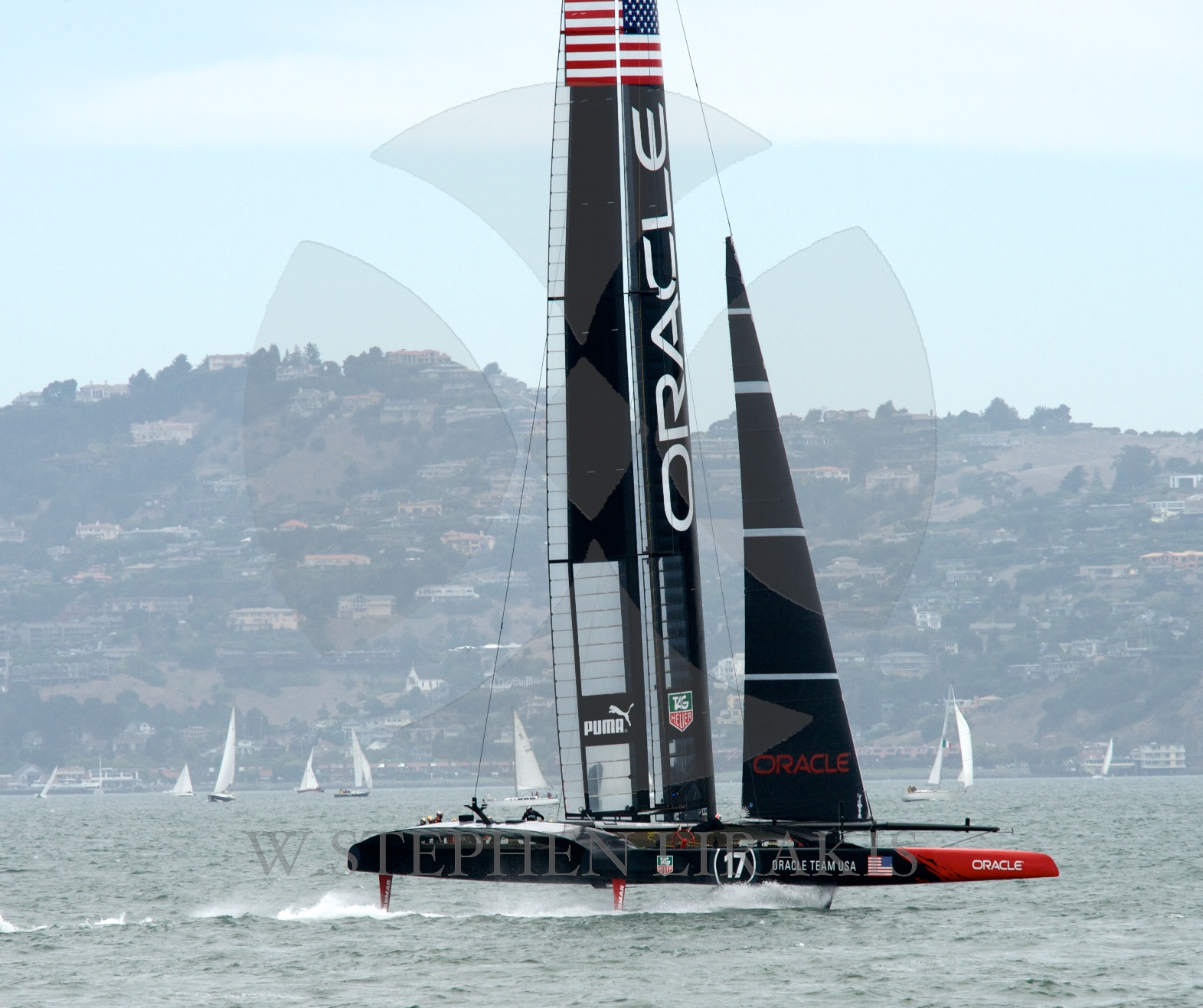
The giant wing sail boats of today’s America’s Cup were never even imagined when Howard Chapelle wrote his book “The Search for Speed Under Sail” in 1967. Twelve Meters and their ability to sail close to the wind were considered the apogee of yacht design. Twelve Meters sail 8 knots upwind and 8 knots downwind, no matter the wind strength. In those days the 12’s sailed a modified olympic triangle. Only one race a day because it took 3-4 hours to complete the race, sailed in an area as free of current as was practical; in an effort to make the race as fair as possible.
All of this has changed in today’s world. 40 minute races in an area with strong current, sailing at 40 knots. Regardless of your opinions about which is better; there is no turning back from the thrill of foiling.
Back in the year 1929, Stephens Brothers in Stockton, California, built 14 yachts. One of them was the 61-foot Vida Mia, a motoryacht of grand scale and a symbol of extraordinary wealth in her day.
Today, you can own her for a buck.
That’s right: Just one U.S. dollar will get you this 84-year-old classic. She has been abandoned at the Kewalo Basin Harbor in Honolulu, Hawaii, since 2009, according to harbormaster Charles Barclay. He’s offering her up for $1 to anyone with a plan and the means to get her out of there and start her restoration, which would cost at least six figures. Among other issues, her wooden hull is peeling varnish and rotting.
“I want someone to be the angel for this boat and return it to the glory it used to have,” Barclay told KITV News.
If nobody steps up to buy Vida Mia, she’ll be totally scrapped. What a sad day that would be, since her history is storied. She is said to have hosted everyone from Elizabeth Taylor to Louis Vuitton to John Travolta.
Are you the one who wills save Vida Mia? Give Barclay a call in Hawaii at (808) 594-0851.
Mc Millen Yachts in Newport Rhode Island has restored some of the finest yachts ever built. His crew are as good at it as any group anywhere.
|
When Hurricane Sandy devastated the Raritan Yacht Club boat yard in Perth Amboy, NJ on October 29, 2012, one of the many casualties was the Cal 40 Sinn Fein, two-time Newport to Bermuda champion. Declared a total loss by the insurance company, Pete Rebovich decided to buy the boat back and try to repair it for the 2014 Bermuda Race. Why is the Cal 40, Sinn Fein so important to yacht racing? Nearly 16,000 boats were built under the Cal brand name. There were many different models, but, without question, the most famous is the Cal 40. The forerunner of today’s ultra-light, production ocean racers, the Cal 40 was inspired by ocean racing legend, George Griffin, of the Los Angeles Yacht Club, and was purportedly first sketched by him in 1962 on the back of a cocktail napkin. Following Griffin’s inspiration, the Cal 40 was designed by the prolific and ground-breaking naval architect, C. William “Bill” Lapworth and was lofted by Willis Boyd. A major undertaking for its time and radically different from other production racing sailboats with its fin keel separated from a spade rudder mounted well aft, the Cal 40 continues to rack up an impressive string of ocean racing victories more than four decades after its initial launch. Peter Rebovich bought Sinn Fein in 1973, initially using it for local racing and cruising with his family. In the late 1970s, Pete got the offshore racing bug, competing in several Around Long Island races. He completed his first Marion to Bermuda Race in 1981. After winning the family trophy in that race in 1995, he moved from the cruising race to the Newport to Bermuda Race in 1997. Overall, Sinn Fein has been to Bermuda and back 16 times. She won her class in 2002 and 2004. Then, in 2006, she won the St, David’s Lighthouse (amateur) Division of the centennial anniversary race – besting the largest fleet ever to compete in the “thrash to the onion patch.” In 2007, Sinn Fein became the first winner of the newly created Olin Stephens award for the boat with the best combined finishes in consecutive Newport to Bermuda and Marblehead to Halifax races. Sinn Fein repeated her Bermuda Race victory in 2008, becoming only the second boat to win back-to-back races. She also won the inaugural North Rock Trophy for the overall winner of the combined amateur and professional divisions. Overall, she has won her class four times and the Stephens trophy a similar number of times. In 2010 and 2012, she was second in class (to another Cal 40, Belle Aurore). In both these races, she was in the top eight boats overall in fleets of more than 100 boats. The boat has always been sailed by an all-amateur crew. No one on the crew receives paid travel or lodging. All of the crew are local sailors from Raritan Bay. The owner, Peter Rebovich is a retired school teacher from Metuchen, New Jersey. Now in his 70s, Pete suffers from a degenerative muscle disease in his legs that severely reduces his mobility. The boat has an especially supportive band of wives, girlfriends, former crew and sailing buddies who routinely travel to meet the boat, party, and help with deliveries to and from races. It is not hard to see why Sinn Fein has become a favorite with weekend sailors everywhere. Click here for photos and description of her restoration progress. |
The magic number is 7. Whichever team reaches that number first earns the right to challenge Oracle for the America’s Cup beginning September 7.


Tonight’s Moon is a Blue Moon. Wasn’t actually blue, but is was big and bright.
New Zealand won both races more importantly by completeing both race courses.
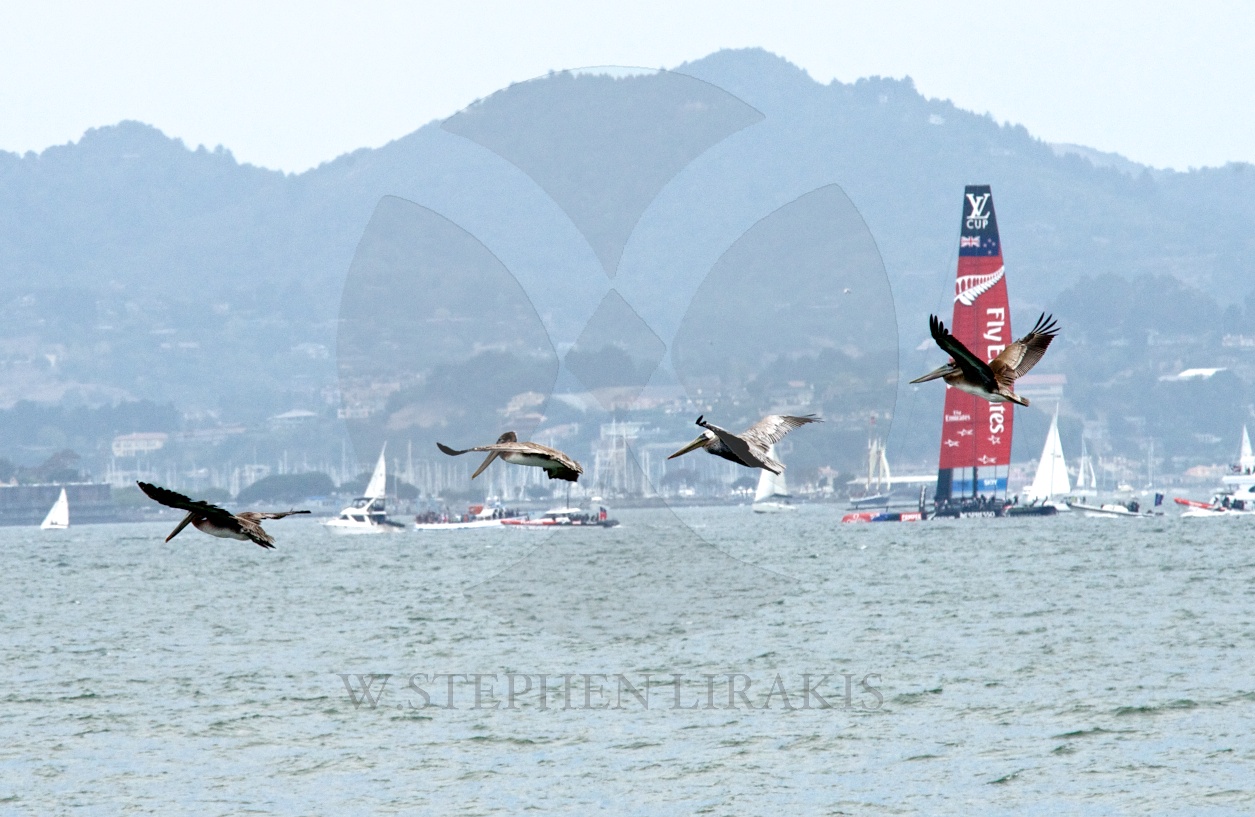
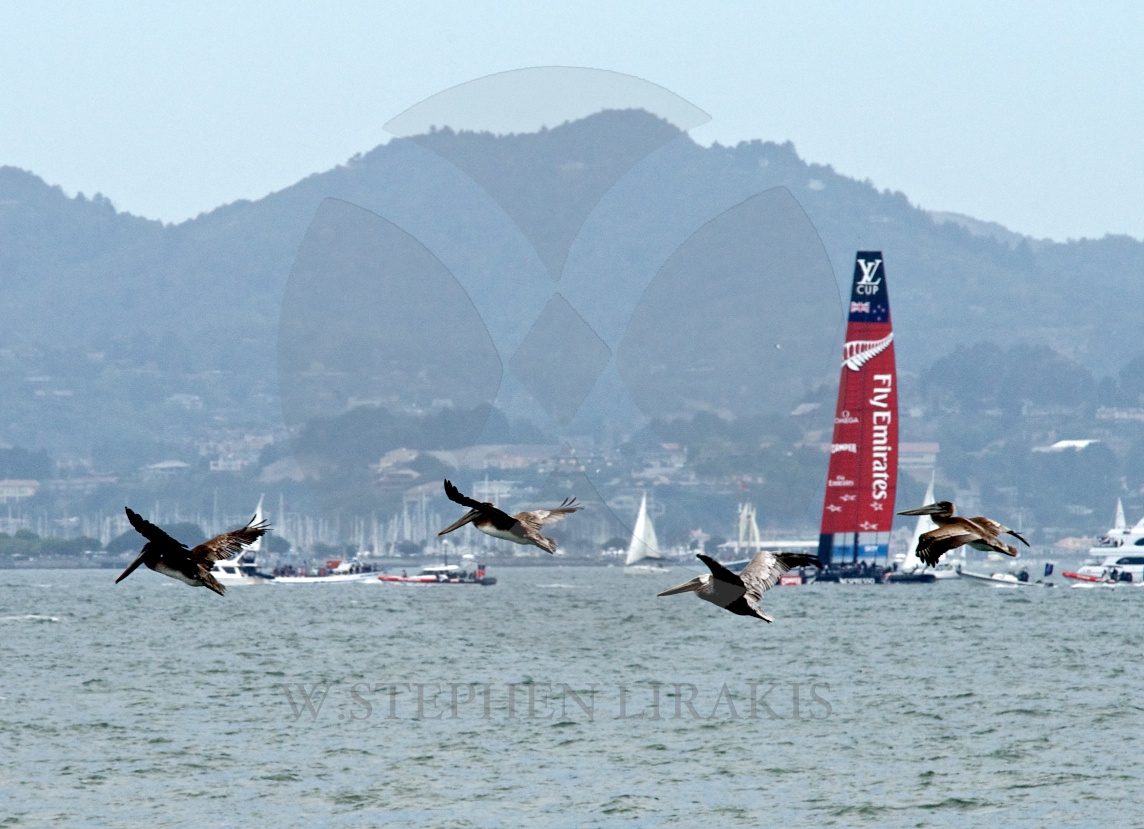
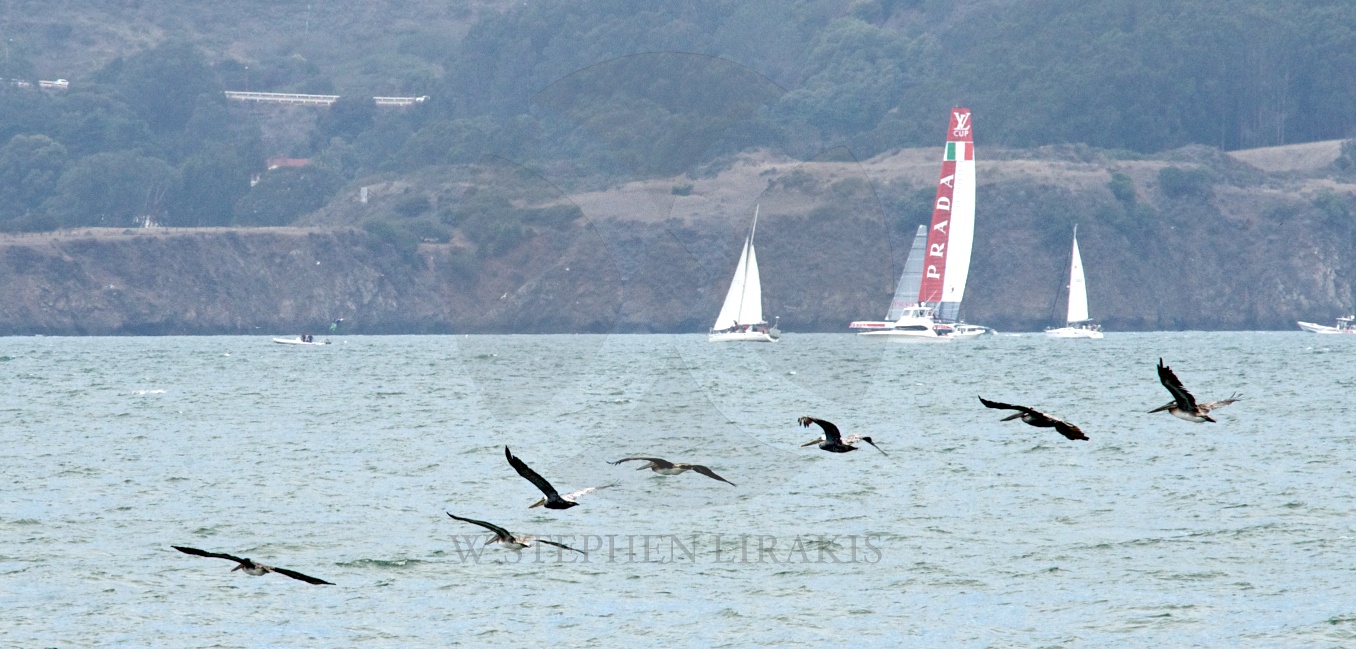
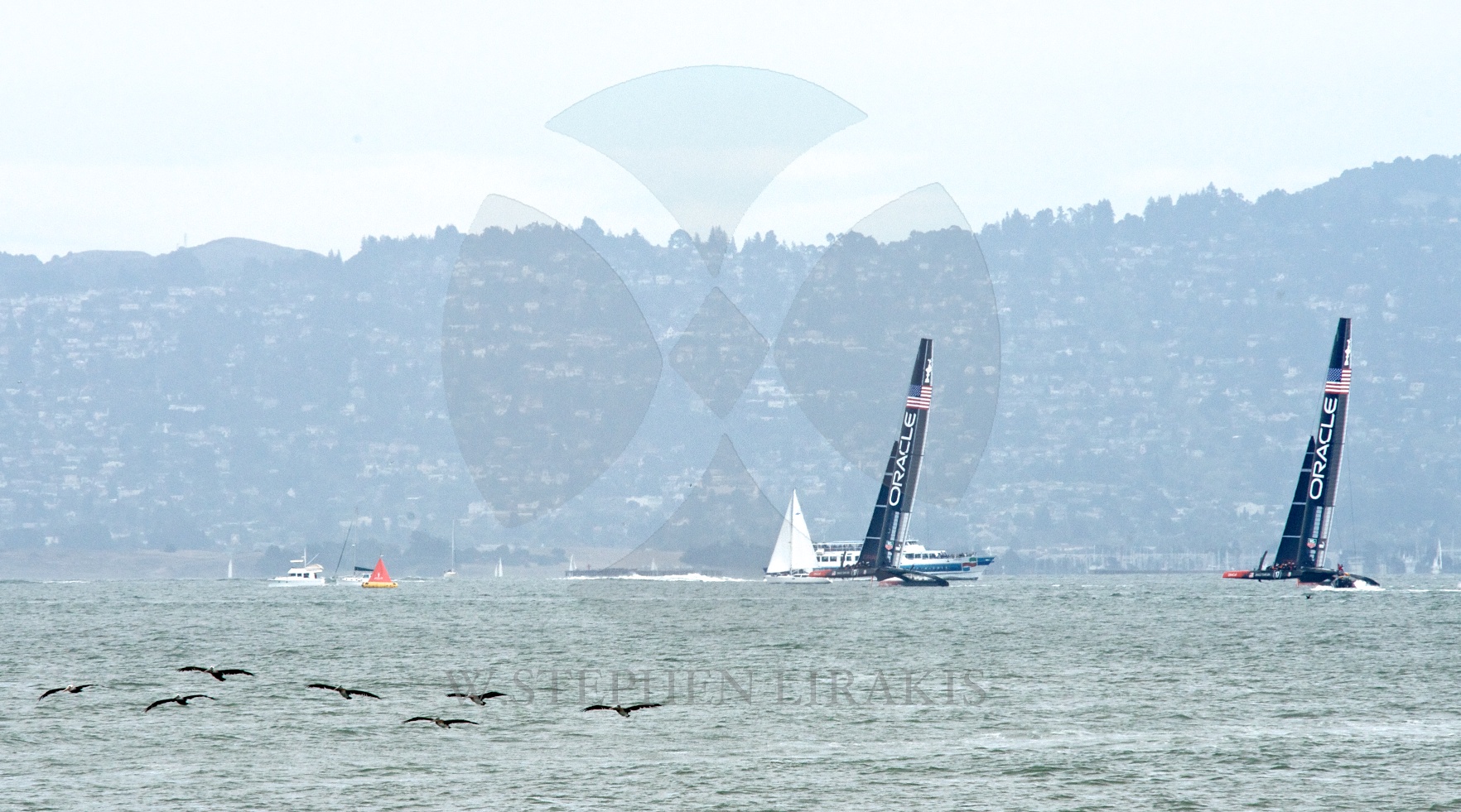
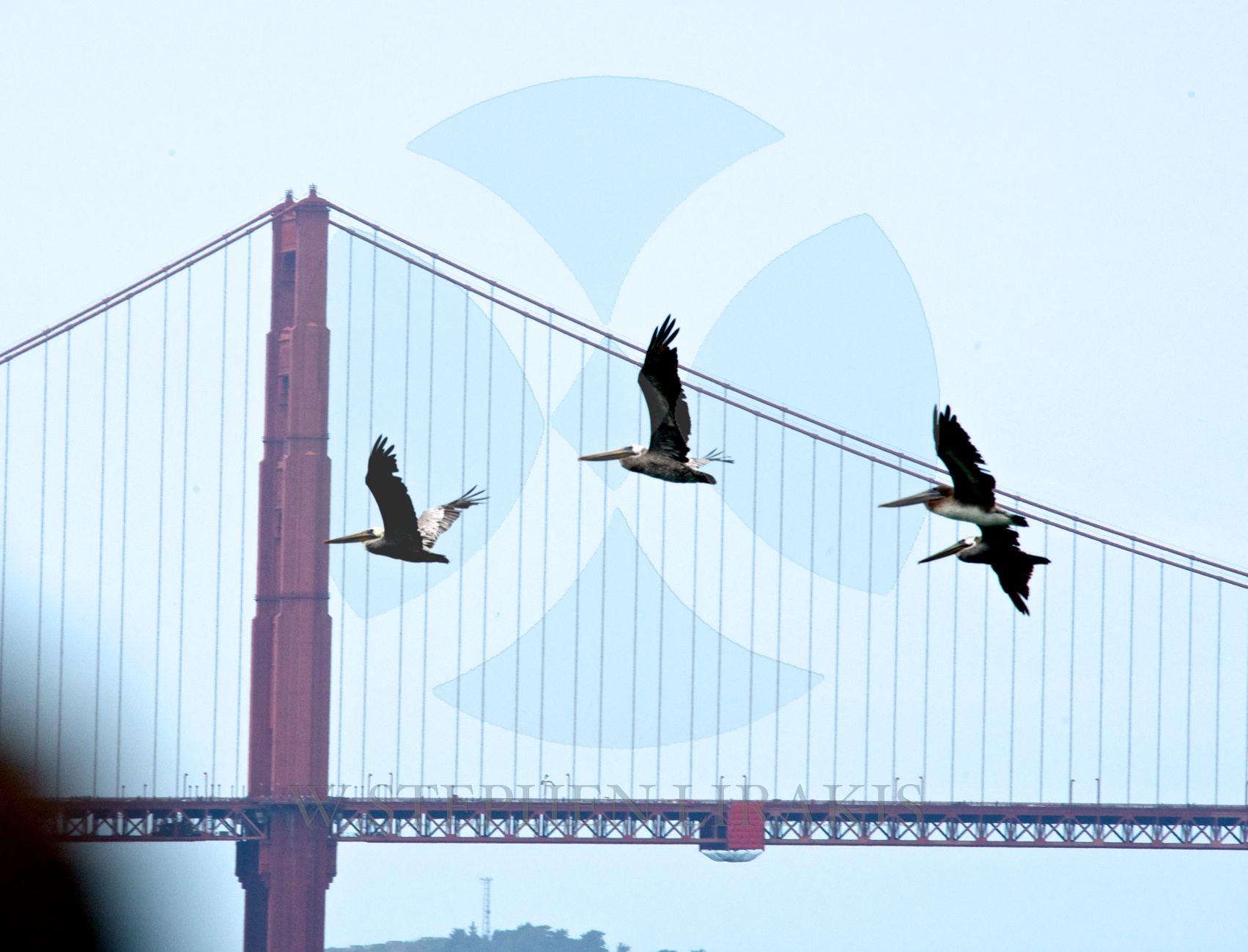
Pelican are at the same time so graceful and so odd. Should something shaped like that really be able to fly? Yet they fly quite well, powerfully and easily. looking especially curious when they dive. Perhaps not so different from the AC boats.
The most heart stopping moment of the 34th America’s Cup action so far was the huge bear away crash which saw the Emirates Team New Zealand AC72 nosedive at the windward mark in race two. (In case you have been living up a mountain with no internet or left the planet temporarily in the last few days the video clip is at the end of this article).
So what exactly went wrong on the Kiwi boat to trigger such a spectacular nose dive that it thew the majority of the crew into a tangled heap and flicked two of them unceremoniously into San Francisco Bay.
To find out from one who would know for sure, we got Emirates Team New Zealand wing trimmer Glenn Ashby to talk us through it.
First we asked Glenn to explain what he is doing to the massive wing sail when the boat goes around the windward mark.
“The goal for me is control the angle of heel as we transition from upwind to downwind. To do that I am basically twisting the wing profile and easing sheet as we initiate the turn. You are getting more and more power as you transition through that 90 degrees until you get to a sort of neutral ground where you are really in the meat of the power zone. At that point you have a low boat speed but a huge amount of thrust.
“So as you are punching through that power zone the guys will be winding the sheet and I will be sort of fanning the sheet to try to keep that angle of heel constant through the turn.
“Once you realise that you are through the power zone I’ll be immediately trying to stand the leech up or bring the head of the wing back, because if you punch through that zone and you don’t get the sheet back on and the power back into the wing the apparent wind is basically on your bow and you will do a big windward hull touchdown.
Then, because you will have board rake on the leeward side the leeward hull will be flying, your windward hull will be stuck in the water and you will have absolutely no power to turn the wing back up to lift that windward hull back out of the water again. That can actually turn itself into a bad bow down situation quite easily.
“By being able to pace the boat up enough, put the board rake on, even pop the boat up on to the foils before you start your turn, you are not having to drag the whole hull through the water, it won’t wash off enough speed and as you pass through the power zone you don’t have to ease as much sheet because the apparent stays forward. That means you can get the sheet on again much faster and that can give you a really good slingshot or whip out of the top mark. You will often see the boatspeed go from 30 knots to 45 knots in the space of a few seconds.”
So what happened during the second race to cause such a huge crash?
“The other day we just got into a really big, right hand heading puff as we went round the mark. It probably went from 15 or 16 knots to low twenties as we went around the mark. What that did was to widen and increase the density of the pressure in that power zone as we were punching through. It got to the stage where we were half way round and I was having to ease a huge amount more wing than I normally would – just with the extra thrust that we had.
“Unfortunately it was one of those bear aways where our leeward elevator pierced the surface at one stage. Once you lose the effect of that elevator which is basically holding the boat down you are effectively into an old school multihull bow down situation. It happened in an absolute blink of an eye. We have never had it happen before but that time the stars had aligned to give us that finger of God just as we got to the top mark.
“When you go back and look at the data on the breeze that we sailed into, it was a huge shift – possibly with a lot of sheer from top to bottom too – combined with a big increase in pressure. When you are sailing through the power zone you only need a half a knot or a knot of increase in pressure to make a massive difference to the power zone. We had a good three or four knots of increase as we went around and that was enough to load everything to a point where for a standard maneuver it would have been no problem; but we recognise that we were a bit foot to the floor with that one.”
Despite having gone though a crash which would have put most of us off going afloat ever again, Ashby said instead that the incident had actually given the Kiwi crew more confidence in their boat and how hard they could push it.
“It was a good one, but it was also a good example of Team New Zealand’s design and engineering capabilities to be able to create something that us as sailors can throw that sort of punishment at it and it will just pop up with nothing but a bit of cosmetic damage to the fairings.
“The boat performed extremely well. We have designed a boat that will allow us to push it really hard and it will be forgiving and look after us. That means we can keep our foot on the throttle. It let us know that we were probably pushing a bit too hard the other day.
Ashby, like the rest of the crew – other than helmsman Dean Barker who was braced behind the wheel – was thrown on the floor of the windward hull as the boat slowed dramatically from 41 knots to 13 in the blink of an eye.
“The biggest thing that stopped us was when the front beam hit the water and that’s when I went for a little bit of a tumble. It happened quick like every down the mine episode – whether it be on a Moth, A-Class, or a 49er, you generally get a split second before hand to say to yourself “Oh bugger!” and then you know you are on your way.”
Ashby maintained that having studied the nose dive in detail and debriefed it amongst the crew, they had no plans to make changes to their bear away technique.
“At the end of the day we are not going to change anything we do. In fact if anything it gives us more inspiration to keep pushing hard and learn the limits. We are still learning about the boats the whole time and we have really good confidence that we can pull off some pretty wild maneuvers in good breeze and shifty conditions and get away with it.
“Having never had that experience with the boat before it’s good to know that the boat is safe as house and that the performance is hopefully good enough as well.”
From Roger Vaughn, Oxford, MD:
I’ve tried hard to get behind the 2013 America’s Cup. I really have. I’ve been covering this event longer than I want to admit. I’ve written three books about it, including one about about Dennis Conner’s precedent-setting multihull defense in 1988, so I understand the nature of the multihull beast. I wrote the book (as yet unpublished) about Oracle’s dramatic, nail-biting victory in 100- foot multihulls in 2010, the match that led to using multis for 2013.
Along the way I wrote scripts for the videos produced about the AC 45 World Series.Those events convinced me there really could be arresting match race competition in high-tech, winged multihulls. And I wrote the introduction to the striking new book about the 2013 Cup, Sailing on the Edge. I wrote in a positive way about it, relating how John Cox Stephens had a catamaran in 1820, and how his businessman’s smile would be broad as a Cheshire cat’s if he could watch the AC72s flying by.
But it’s time to rethink. There have been 3 matches in the Louis Vuitton final and we have yet to see a race. Three matches, three breakdowns, and one frightening bow plunge by New Zealand that was a miracle of survival. Why that boat wasn’t totalled is a mystery. Three matches without one display of tactics by either boat. Three matches with no light sail handling. How can there be light sails when the apparent wind angle on the leeward legs is 25 degrees? Gone is the compelling ballet of billowing spinnakers, the sets, the jibes, the takedowns that are the lyrical melody of sailboat racing. All we’ve got is big, hugely expensive, overpowered, dangerous machines ripping at 40 knots and more, with crews wearing body armor suits and crash helmets with oxygen bottles and commando knives strapped to their bodies just in case….
We are still calling it sailing, calling it the future. The speed and the technology is intriguing, even momentarily arresting. But is it sailboat racing? Here we are well into the Louis Vuitton final — the final! — and I have yet to see any.
|
Iain Murray, AC’s Cool Head In The Hot Seat By Michelle Slade How are you managing to juggle all the curveballs that must consume you on a daily basis? IM: [Laughs] It’s just what I have to do. It’s my job to keep this show running. I’ve got a lot of good people helping me and there’s a lot of experience in the race management team. The America’s Cup has always been difficult, I think going forward it’s no less difficult. There’s been a lot of difficult instances in the past, whether it’s been wing-keels, or plastic yachts. Is this what you expected two years ago? IM: No, I can’t say it’s turned out quite how I expected. I think with all the action and bits and pieces, responsibility and liability has taken on a whole new level that I don’t think anyone could have anticipated. Where and how did things start going wrong in your opinion with this event? IM: It’s easy to sit here now, look back and say, “We should have done this or that.” I think probably the biggest disappointment to people is the fact that we’re so short on challengers, and you can ask yourself why is that so? Clearly the cost of the campaign is an issue, the complexity of the campaign is another issue. I think everyone looking forward is saying, “These boats are really cool, the guys love sailing them, we’re in the first generation of boats foiling and understanding the race formats.” We came off something that was pretty good at the end with the AC45s and high expectations with 10 boats roaring around, a great event in Naples, great events here in San Francisco, and Newport [R.I.]. In many ways coming back to three boats has been a dip. If you look back, you can say we need more controls, we needed something more like an AC45, something that was maybe not an AC72, but not an AC45. Maybe we should have done it in an AC45—I don’t know. I think a 55- to 60-foot semi one-design boat is probably what you’ll see the teams looking toward. I believe in November 2011 teams were given a choice to move forward with the 72, or go to another boat. A unanimous decision was required, and two teams – Artemis and ETNZ – chose not to. Can you comment? IM: I put all the principals of the teams together in San Diego in 2011 and did ask them that question. It was clear by that time in the year what it was we were doing, and because there were challenges in the financial world post 2008 that the money wasn’t flying like it was in 2006-‘07. Getting teams to be able to step up from the ACWS to the America’s Cup was a lot more difficult than people had anticipated. The options were there and discussed. People had made commitments to designs and were well down the path of the 72 and the decision was to continue. Read On |
|
Current LV Cup Finals Schedule Wednesday, Aug. 21: Final Race 4 (1:10 pm PT), Final Race 5 (2:10 pm PT) – ESPN3, live
|

