HEAD FAKE?

?The America’s Cup will grace San Francisco not once, not twice, but thrice, citizens were promised: before  catamarans race for the main Cup currently held by Larry Ellison’s Oracle team in 2013, there will be smaller World Series races in October and in August, according to plans the race event authority floated before city leaders.

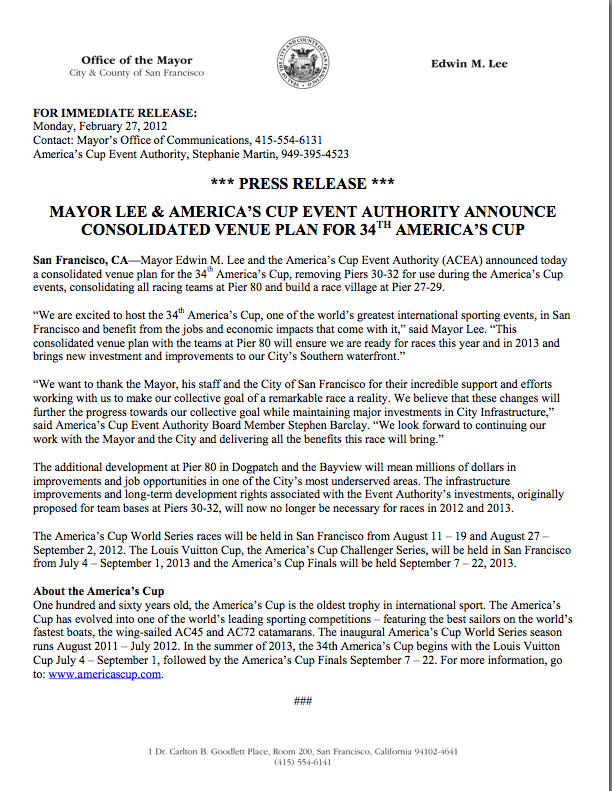
That may change, event organizers quietly mentioned in a release this week: the boats may in fact race here only twice. The August race could be in New York City, the Event Authority said in a March 5 release, issued to announce that NBC secured television broadcast rights.

This came as a surprise to San Francisco officials and New Yorkers alike, but is likely nothing more than a “head-fake” from an event authority angry over a scaled-down deal, a source told The Snitch. 
It was always the plan for America’s Cup-related races to crisscross the globe this year: in a month, the race heads to Italy. Other scheduled races are planned for Venice, and Newport, Rhode Island.

Three teams are competing in the AC World Series. The location of the August event — San Francisco or New York — will be announced “shortly,” organizers said in a release.

The races will be televised for the first time since 1992.

The Event Authority itself did not deign to speak to The Snitch; phone messages and emails were unanswered as of Wednesday afternoon.

The possibility of losing a race to New York is a “surprise” to Board of Supervisors President David Chiu, involved in negotiations to scale back the waterfront land giveaway promised to race organizers in return for gracing San Francisco Bay with their boats. “This was not something I’ve been told by the AC Event Authority,” Chiu told The Snitch via text message late Wednesday.

The America’s Cup is not unknown to New York City, though it’s been a while since the boats graced those waters. When the New York Yacht Club owned the cup betweem 1930 and 1983, the race was held there all the time. The race has not been held in the Hudson since the club lost the cup in 1983.

Reached via telephone in Newport on Wednesday, Michael Levitt, communications director for the New York Yacht Club, of which Mayor Michael Bloomberg is a member, said he had yet to hear of any plans to race sailboats in New York.

Whether this came as a surprise to Mayor Ed Lee is unclear; a spokeswoman for the mayor, who last week announced a vastly scaled-back event, said that the city is “waiting to hear” if the televised race will be held in San Francisco or New York.

“This is one of a series of sailing events even in 2012, so the impacts to the City [San Francisco] will be minimal of one race is held in New York,” Lee press secretary Christine Falvey wrote in an email. “Under either scenario, there will be a regatta here in 2012.”

A source close to the opposition movement called the Event Authority’s bi-coastal hedging a “head fake” designed to keep San Francisco on its toes after waterfront development rights were scaled back.

Under the original agreement, Ellison’s race team was to spend $55 million to rebuild Piers 30 and 32 in exchange for rent-free use of them for 66 years and title to Seawall Lot 330 — all prime, undeveloped waterfront property — nearby.

Those plans — which likely could have left the city in debt until the year 2100 — were scuttled last week, after the Event Authority failed to secure sponsorship rights.

NEWPORT, WATCH OUT

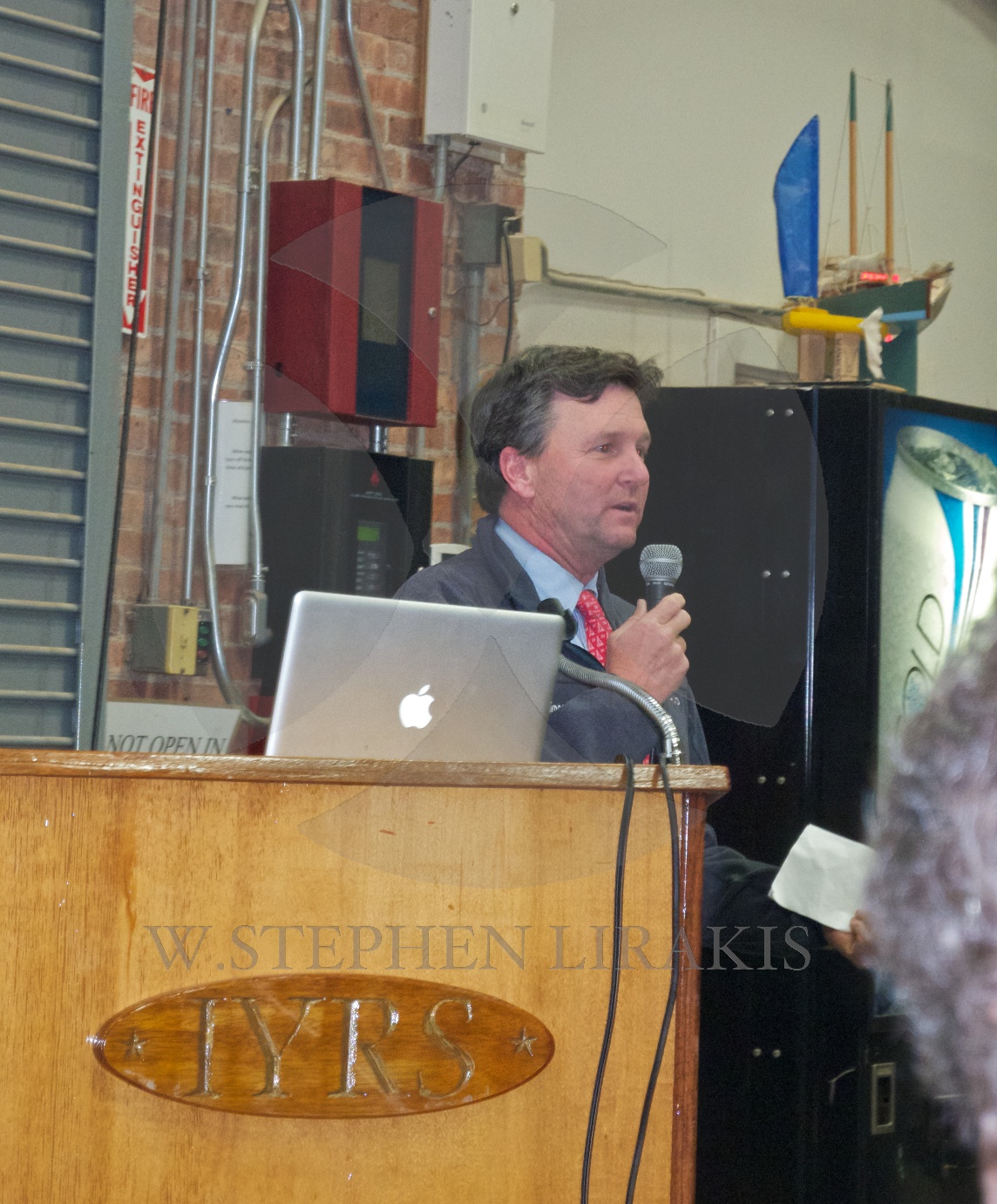
Last night, Like many of the sailing population of Newport, I sat and listened to Brad Read speak about the America’s Cup World Tour visit to Newport in June-July. The Bermuda Race will be done and dusted, but preparation for the event will be well underway even before the Bermuda Race leaves Newport.

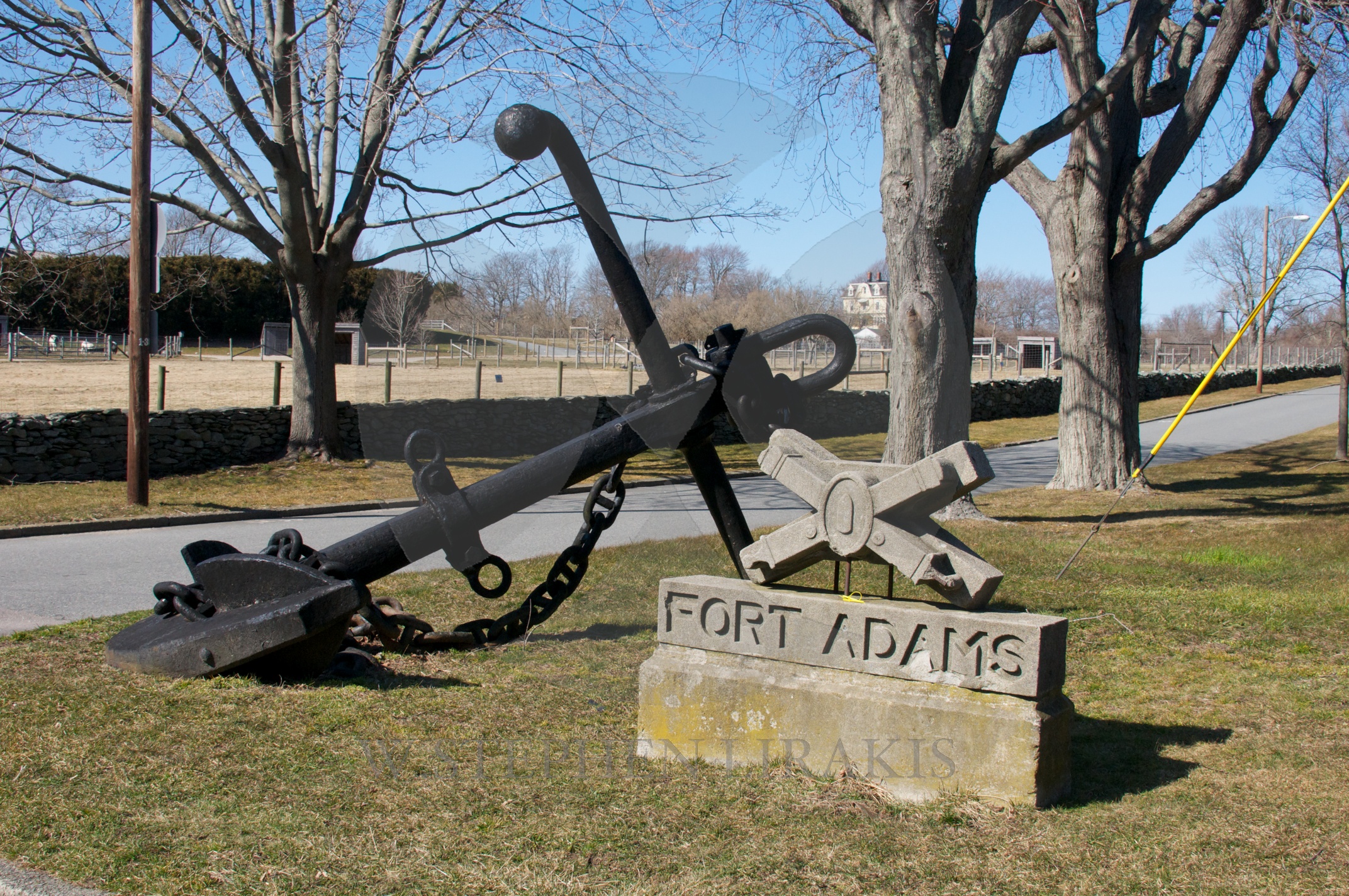
The Ship which brings the traveling “circus” will dock at Quonset and 90 containers will be trucked to Ft. Adams.

Big efforts are being made to move the expected crowds in other than cars. Anyone who has ever driven in Newport, particularly in the summer recognizes the potential problem.  The Sailing will be best seen from land based on the description by Brad. And while I am excited to see the boats, the event itself sounds like everything I try to avoid.

I added the photo of Ft. Adams taken a few days ago which shows the trees which provided a buffer between those living in housing there and the public parking removed. I hope it proves to be a wise decision.

TWO BOATS FOR SALE

Featured Brokerage
Featured Brokerage Boat27′ Goetz 1/3 Scale IACC Yachts (2). US$ 60,000. Located In Newport, Rhode Island, USA.

When preparing for the 2000 America’s cup in New Zealand, the BMW/Oracle syndicate was having trouble getting enough time in the wind tunnel to test sail shapes and the costs were escalating. They hit upon the idea of designing a building to 1/3 scale models for on the water testing. Set up to be sailed by two people, they have all the sophisticated sail and mast controls of the full size boats and the mast placement in the boat can be varied for and aft.

Carbon fiber laminated hull and deck. Lead keel bulb with steel shank. Carbon fiber rudder and tiller. Exterior of hull and keel painted black.

Brokerage through Sparkman & Stephens, Inc.:
www.yachtworld.com/sparkmanandstephens/

Complete listing details and seller contact information at
uk.yachtworld.com

WATERFRONT WATCH VS. SAN FRANCISCO PORT COMMISSION

Another lawsuit for San Francisco brought by the waterfront watch for non compliance with the California Evironmental Quality Act.

It is going to be hard for San Francisco to be ready for an America’s Cup in 2013

These photos are today in Newport, It had been 60 degrees yesterday.

A REAL ESTATE DEAL MASQUERADING AS A BOAT RACE

As final approvals near, real draw of America’s Cup questioned

By: Dan Schreiber | 02/21/12 4:00 AM
SF Examiner Staff Writer
SF EXAMINER FILE PHOTO
Critics say the race’s projected economic impact was inflated.

The business formula of the America’s Cup seems simple: If you race them, they will come.

But as city officials consider a waterfront investment deal finalizing the terms of the yacht regatta, they are left guessing just how many will come.

Along with the complex long-term agreement for race officials to fix crumbling piers in exchange for lucrative development rights on public property, the event’s popular appeal also is raising questions.

The event’s power to infuse cash into its host city is commonly touted as only less than that of the Olympics and World Cup. But low turnout of spectators and racing teams could make The City’s massive preparations a costly albatross.

The eyes of the sailing world will be fixed on San Francisco Bay’s 58 days of yacht racing over the next two years, but members of the Board of Supervisors want to make sure they won’t only be watching through a television screen. They said an influx of hotel guests who eat and shop will be pivotal to the event’s success.

The City is set to spend $52 million preparing for the race, which it hopes to cover with sales and hotel taxes, plus fundraising by a nonprofit arm of the America’s Cup. But slow fundraising progress has raised red flags with city leaders.

Disappointing turnout for a November event in San Diego raised questions among local skeptics. Supervisor John Avalos said last week he doubts the claim that more than 5 million people will attend the 2013 finals, which could mean up to 500,000 people in The City on peak days.

“I’d say we’re not seeing that,” Avalos said.

A report conducted by an independent firm in 2010 says the regatta will create 8,800 jobs and $1.4 billion in economic benefits. But that analysis was conducted well before officials even agreed to hold the event here.

The analysis based its estimates on past America’s Cups in Spain, New Zealand and San Diego. The benefit estimates included a sizable economic impact from the racing teams themselves, which typically spend months building and testing vessels. But to date, only four of nine anticipated teams have signed up for the 2013 finals, casting doubts over such spending.

Critic Aaron Peskin, the local Democratic Party leader, calls the forecast laughable.

“We should be delighted if we get 25 percent of their pie-in-the-sky estimates,” Peskin said. “There’s no history of sailing regattas being a mass spectator sport in San Francisco or the world.”

Peskin called the regatta a “real estate deal masquerading as a boat race.

Chief Operating Officer Stephen Barclay of the America’s Cup Event Authority says that while the benefit projections may be shaky, there is little doubt that plenty of sailing fans will come to enjoy a full schedule of events.

“Who knows if the numbers are underinflated or overinflated,” Barclay said. “It’s going to mean a lot of jobs and a lot of economic benefit — that’s the point.”

Read more at the San Francisco Examiner: http://www.sfexaminer.com/local/bay-area/2012/02/final-approvals-near-real-draw-america-s-cup-questioned#ixzz1nGbUqQom

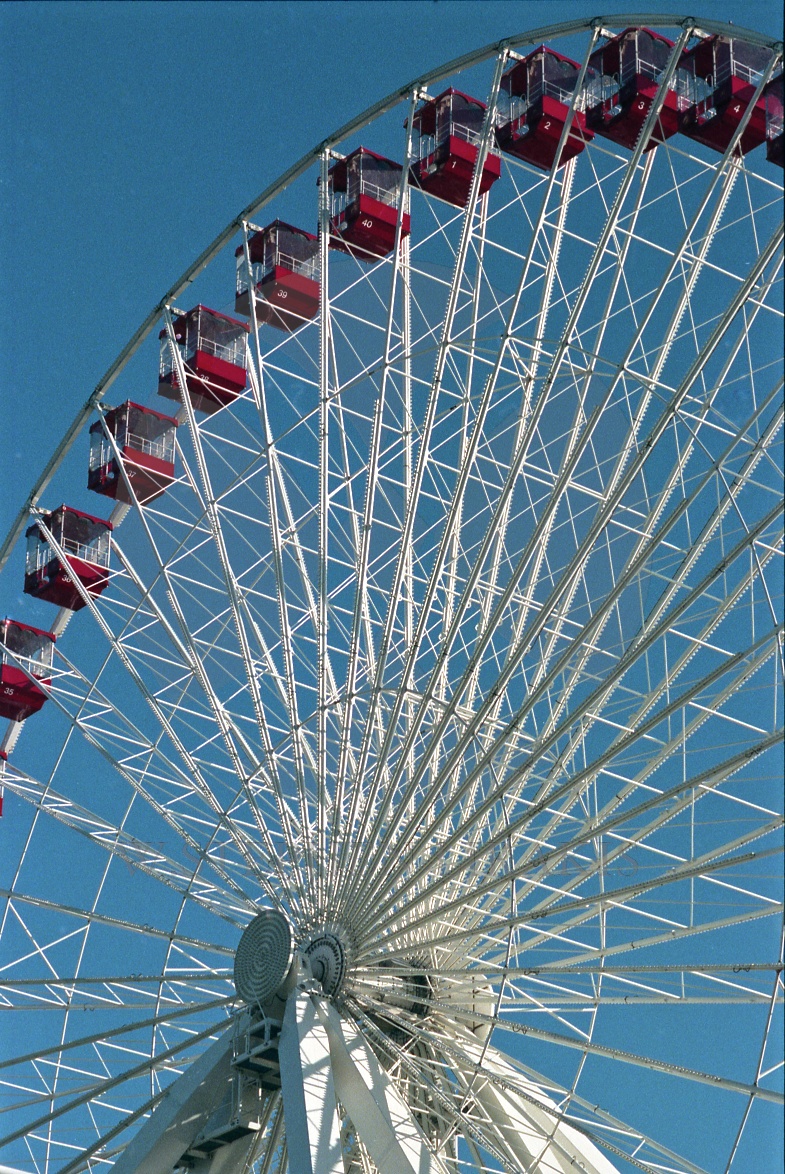
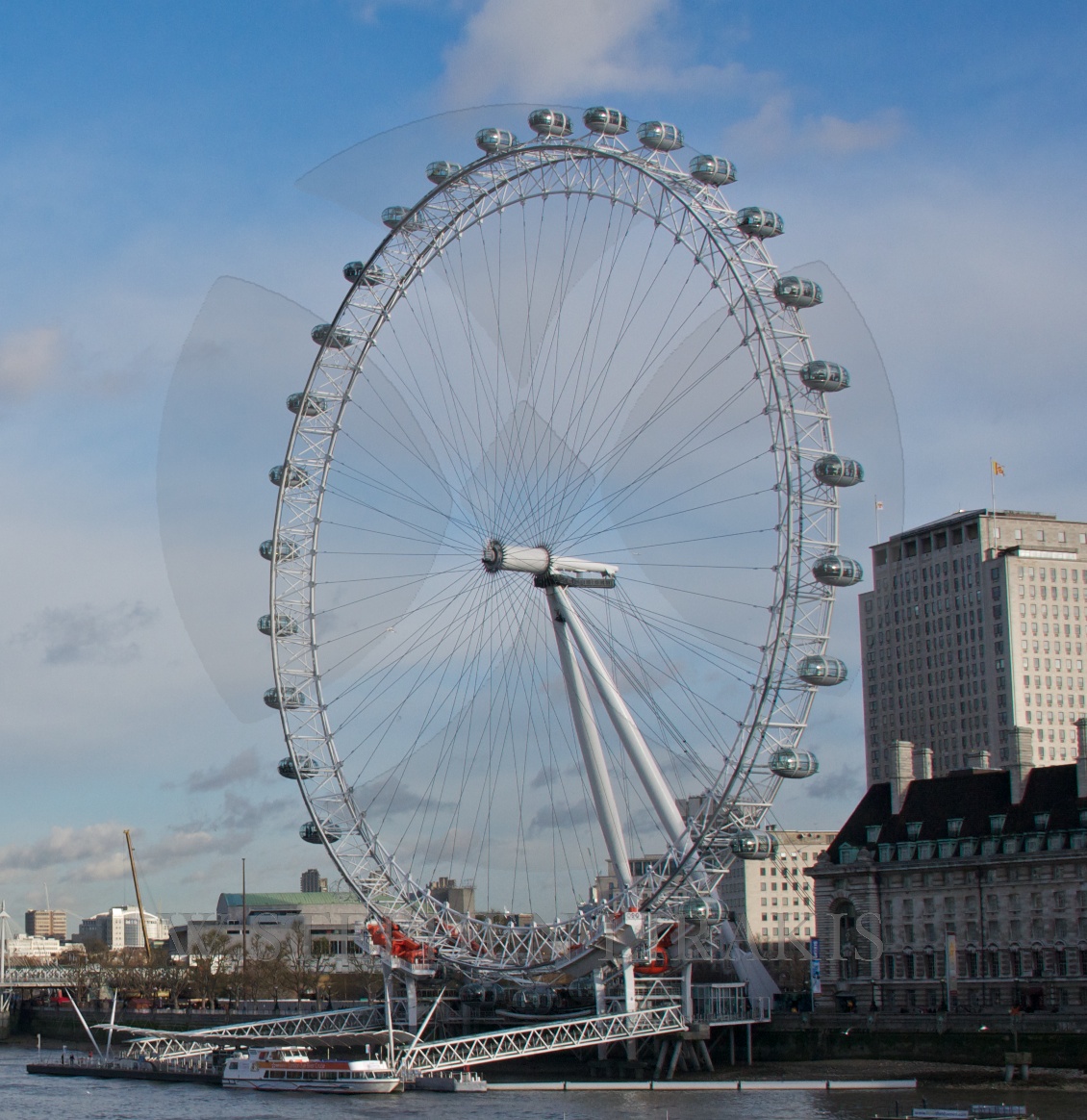
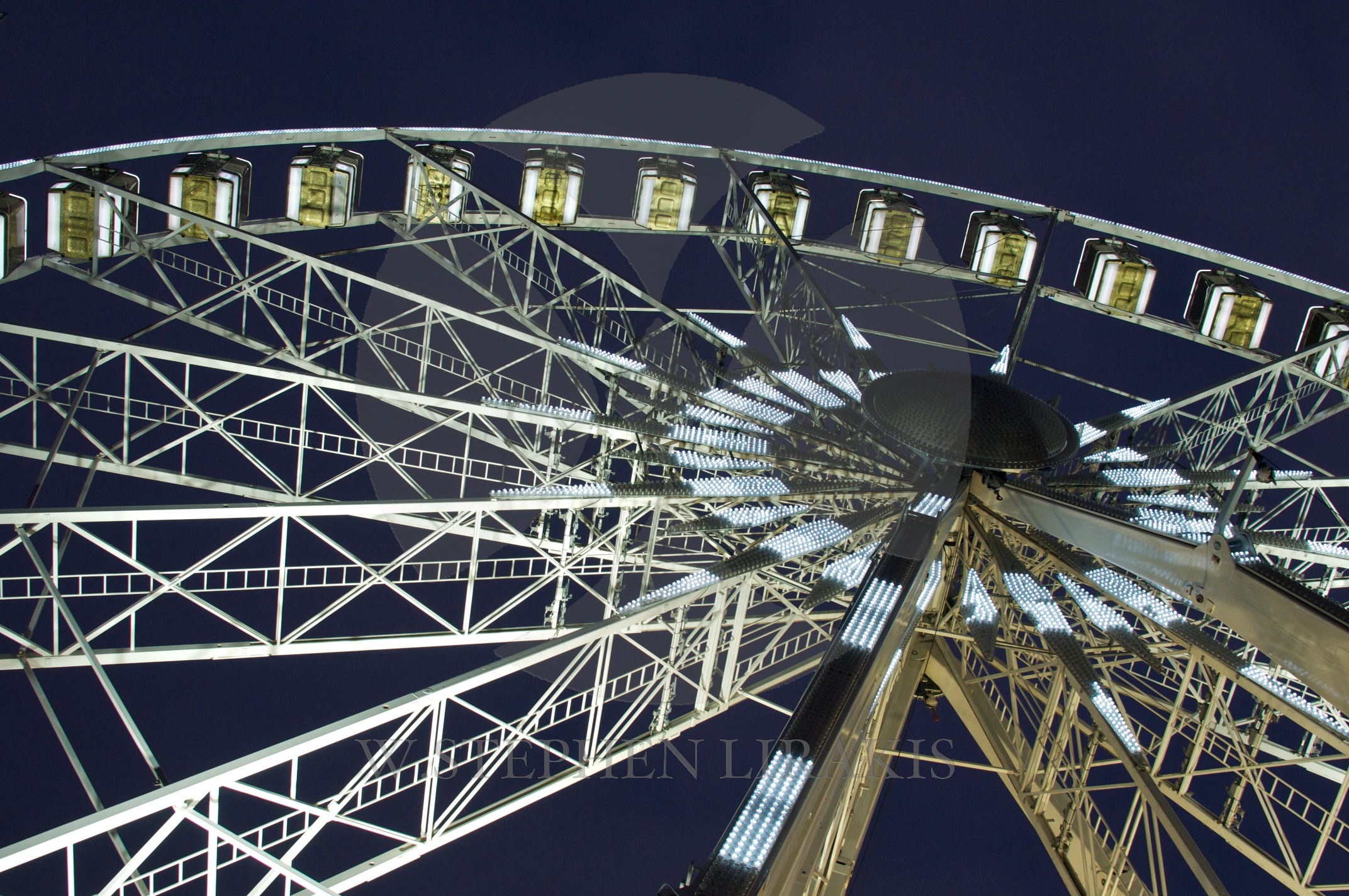
FERRIS WHEELS AND THE AMERICA’S CUP

I remain fascinated by carnivals and amusements of the past. To see more click HERE.


The comment below again came from sailing anarchy, I am inclined to agree. The America’s Cup has long moved away from the public. Yet they need the public. Many years ago, when it was a race between challenging yacht clubs, not countries, it was very accessible by the public. There is some irony here.

It will be interesting to hear the reaction after the cup has visited Newport in June.


reader ranti don’t get itI am currently in San Francisco working about three weeks per month. So you can imagine how  excited I was to learn that Oracle Racing’s two week practice session coincided with my visit.  Moreover, my son Gavin, an Opti sailor, was going to be in town on the weekend that the two  catamarans would be ripping across the bay in 20 knots of breeze. I was sure that, in the face of  disappointing spectator interest and almost no outside sponsorship , Oracle Racing would be  pulling out the stops with a major PR campaign. Even though it was only a practice session, of  course there would be official spectator boats, tons of local exposure, an experiential village for the  public, rides on the catamarans for VIPs, insane social media execution, and an all-out effort to  build community around the event.Boy was I wrong. Neither the Oracle Racing website nor a Google search could produce any
information at all about the practice session. Not one mention! I only discovered the whereabouts of the Oracle Racing compound because I happened to meet a couple of the crew on the train to
work. Otherwise the boats are completely hidden from public view in a nondescript location well
South of the City. There is absolutely zero buzz or excitement in San Francisco (as far as I can tell)  about the America’s Cup. While my son and I did happen to see the boats sail by near St Francis  Yacht Club one afternoon, we got no information at all from Oracle Racing or the local press. You  get the feeling that the whole event will pass by San Francisco without anyone noticing.

I’m just a sports marketing guy and sailing fan. When I first heard about Larry Ellison bringing the  America’s Cup to San Francisco, I naively believed the event had the potential to bring the sport to  hundreds of thousands of new fans. I now see that the America’s Cup in 2013 will go down as a  huge missed opportunity. Our sport will continue to speak to a small and insular group of people,  and we’ll just write off any hope of building a larger fan base with our marquee event. – Anarchist Peter.

IT’S ONLY MONEY

Projected costs associated with the America’s Cup have skyrocketed to $163 million — up from the city’s 2010 estimate of $86 million. Meanwhile, doubts are growing about whether the event will be as exciting or as lucrative as initially projected.

The cost to overhaul dilapidated piers has more than doubled over the past year — from $55 million to $111 million.

Under a proposal that will go before the lawmakers this month, America’s Cup organizers, led by billionaire software mogul Larry Ellison, would pick up the tab for most of those costs in the short term, and then recover them from the city and its port through long-term leases or ownership of public waterfront land.

The San Francisco Board of Supervisors’ budget analyst, Harvey Rose, wrote in a report published Thursday evening that the city would need to spend $52 million on police, transit and other services to host the regattas this year and next — that’s up from an estimate of $31 million published in late 2010.

To partly defray those costs, Rose estimated that San Francisco would reap $22 million from additional sales and hotel taxes and other revenues generated from visitors and event-related spending.

A nonprofit group established by America’s Cup organizers to raise funds to defray city expenses aims to raise $32 million. So far, that group has told the city that it has received pledges for at least $12 million.

The supervisors’ budget and finance committee hearing into the proposed deal will be held on Wednesday. The full board will vote on the plan later this month.

Source: The Bay Citizen (http://s.tt/15Djm)
The America’s cup has been moving away from the public a little more every year. At the same time, never has the America’s Cup needed the public as much as now. I find the overtures by the AC to the public are awkward at best. San Francisco is caught in the middle without a voice. As I have written in the past “be careful what you wish for:” Imagine if this was happening in Newport.

JUST ONE OF THE PROBLEMS

Yachting: Only three challengers means rethink of America’s Cup

5:30 AM Wednesday Feb 1, 2012

America's Cup team Prada, Luna Rossa. Photo / Brett Phibbs.

America’s Cup team Prada, Luna Rossa. Photo / Brett Phibbs.

The underwhelming number of entries for the 34th America’s Cup has forced organisers to re-think the format of next year’s regatta.

Just three challengers – Emirates Team New Zealand, Luna Rossa and Artemis – have paid the US$100,000 ($121,000) entry fee for the 2013 event. With those teams already well-advanced in the design and build process of their AC72s, America’s Cup regatta director Iain Murray admits it is looking increasingly unlikely that another syndicate will enter at this late stage.

“We’re hopeful of having more teams outside of the teams that are already building, but the reality is the runway is going to run out in the not too distant future as to when they can start building and get to the startline, so it is going to become clear pretty quickly as to who the Louis Vuitton Cup competitors are going to be,” said Murray, who was in Auckland yesterday for a competitor’s forum.

The number of entries are well down on what organisers had been predicting, with the proposed format of the Louis Vuitton challenger series allowing for eight challengers and scheduled to run for two months from July 4-September 1 next year.

But with only three competitors, the regatta is likely to be scaled back significantly.

“It’s going to change what’s on the table for sure,” said Murray when asked if the length of the Louis Vuitton series will be reduced.

“In the next few weeks we’ll start planning on a bunch of potential different formats as to what the Louis Vuitton Cup will look like. We’ll have to look at the mixture of the type of racing we do and how many races we do on each day and the breaks that we give the teams.”

Murray said he was aware of the importance of maintaining the history and heritage of the America’s Cup.

One of the options discussed yesterday was making each of the matches a best-of-three series rather than just a one-off match race.

This format could also be introduced for the America’s Cup World Series regattas this year.

But it is still not apparent how that would fit into an eight-week Louis Vuitton series, much to the frustration of the competing teams who are keen for clarity around this.

Murray said a number of different agendas were emerging in the competitors’ group, with some focused on AC45 issues, with the other four teams more interested in the AC72s.

For the AC72 group their main concerns yesterday were getting the length of course sorted, the format of the racing and the way the racing would be scored.

“What we’re seeing is a number of different agendas emerging and as we go forward we have a number of different subjects we need to deal with,” said Murray.

“The teams that are well-organised and strong are digging deeper into the detail of what we’re going to do.”

Controller: America’s Cup needs “significant additional fundraising”

Buell: “I get zero salary for this, and I’m busting my ass raising (money) for it.” (Photo by Lance Iversen / The Chronicle

The plan was to have $12 million raised a week ago to help cover the city’s costs for hosting the upcoming America’s Cup regatta.

It’s not quite there.

A committee of philanthropic and community leaders raising donations to help offset San Francisco’s projected costs for hosting the renowned sailing race so far has only $8.8 million raised to cover costs for the current fiscal year, and $8 million of that came from a single source: race organizers, according to a new memo from the city controller.

The fundraising group, the America’s Cup Organizing Committee, does have written pledges or agreements totaling $12 million – the target amount listed in the initial agreement with race organizers to have on hand by Jan. 31, Controller Ben Rosenfield wrote.

But $3.2 million of that is pledged for 2012, 2013 or 2014, the memo indicates. The fundraising committee has only $800,000 cash on hand plus an $8 million agreement with the America’s Cup Event Authority for expenses in the fiscal year that ends June 30, the memo says.

Under that agreement, the organizing committee sold its rights to solicit sponsors within the local market to the event authority, the business arm of the Cup racing group headed by billionaire Oracle CEO Larry Ellison, which had access to national and international sponsors. The two have now agreed to combine those efforts into a single outreach campaign to advertisers. That agreement also includes unspecified future revenue sharing beyond the $8 million, according to the controller’s memo.

But the committee needs to ramp it up to meet the target of $32 million over three years outlined in the initial December 2010 deal between the city, the then-newly formed organizing committee and the event authority led by Ellison, who agreed to hold the regatta here.

“Given the ACOC’s expenses and fundraising payout schedules, significant additional fundraising beyond those achieved to date will be required to honor the $32 million fundraising goals,” Rosenfield wrote.

Exhibition races are scheduled to kick off in August, followed by the finals in September 2013.

The committee’s operating expenses were $492,000 last year and are expected to jump to $844,000 this year plus $520,000 in other costs for a total of $1.3 million, the memo says. The total committee costs are projected to jump to $2.1 million in 2013, according to the controller.

Mark Buell, a philanthropist and Democratic Party fundraiser who volunteered to chair the organizing committee, said his group has “absolutely, without question” complied with its part in the agreement to bring the Cup to San Francisco.

The language in that agreement is less than declarative, stating that Buell’s committee “will endeavor” to raise up to $32 million over a three year period, with “targets” of $12 million in the first year and $10 million in each of the next two years.

“The issue at the time when this was written was: Is there the will out there to fund this?” Buell said. “If anything, I see this as a major accomplishment given that we were able to do it.”
Buell also said the controller’s memo doesn’t include $500,000 pledged Monday.

Local Democratic Party chair Aaron Peskin, who has been critical of the current terms of the America’s Cup deal, said Buell’s committee had “broken its commitment” to the taxpayers.
“Contracts are to be read in their simple English language, which leads everyone to believe that Mark Buell was on the hook to deliver $12 million to the city last week,” Peskin said. “As it stands, they raised $800,000 and spent $400,000 on their salaries.”

Rosenfield’s memo notes that the original agreement actually gives “no stated deadline … for payment of the $12 million by the ACOC to the city.”

The original benchmarks were set to give the Board of Supervisors a sense of how feasible funding would be before the city commits to a binding deal on hosting the races that includes turning over to Ellison’s group ownership of one waterfront parcel and long-term development rights on others in exchange for at least $55 million in waterfront upgrades.

Rosenfield’s memo comes as the board is preparing to receive today the binding deal. Plenty of wrangling over several points is expected before a vote on approval later this month.

Buell said his main concern was ensuring that there was money in place to pay the city’s bills at the end of the current fiscal year, which he maintains there is.

“I’ve got close to nine (million),” he said. “I think they’ll only need about eight (million) come June 30.”