
Even the numbers for this version are down.
Category: offshore sailing
KEN READ, MY LIFE
I think there is a book here. Ken speaks so well, he makes you feel he is speaking to you not just the crowd.
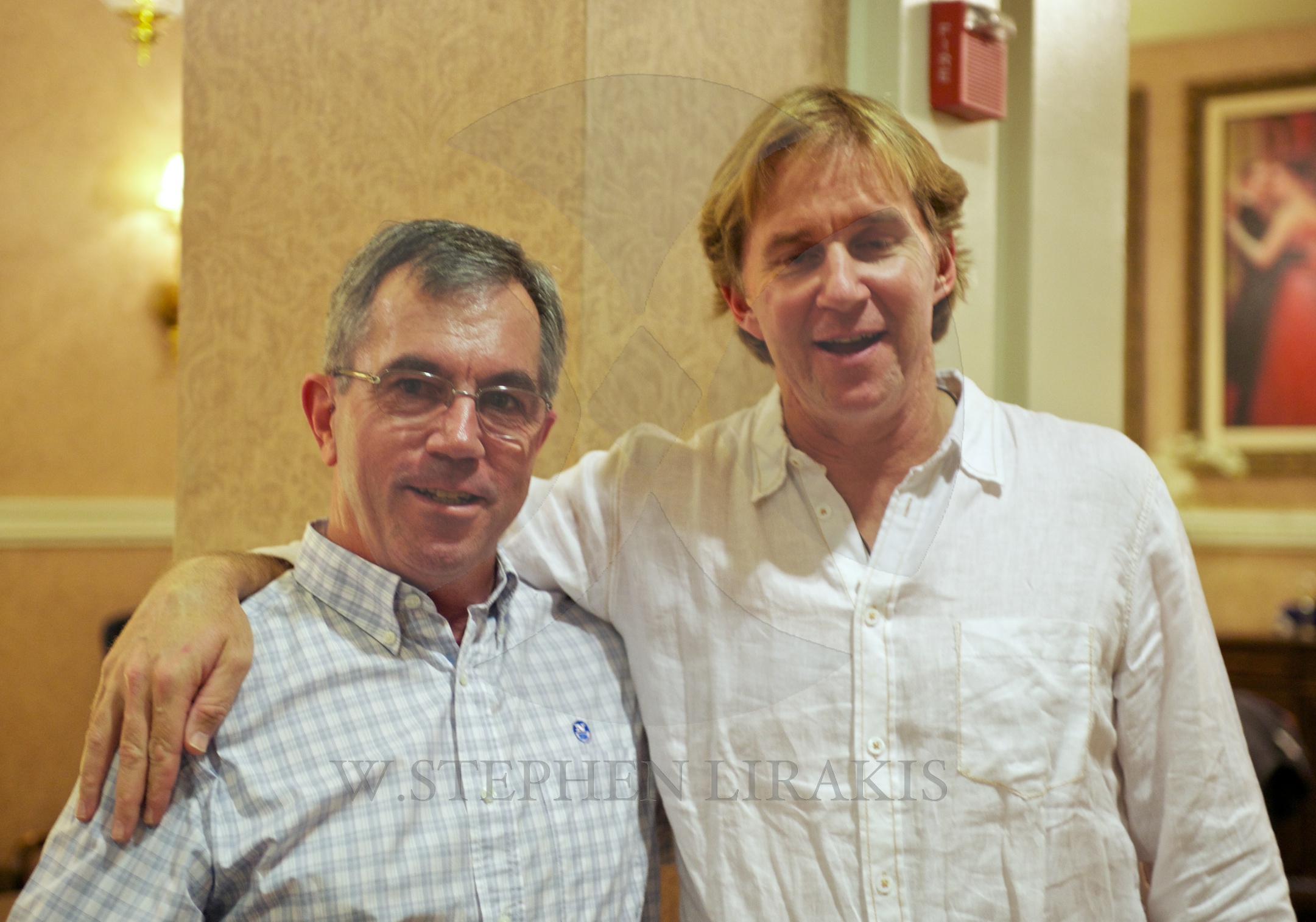
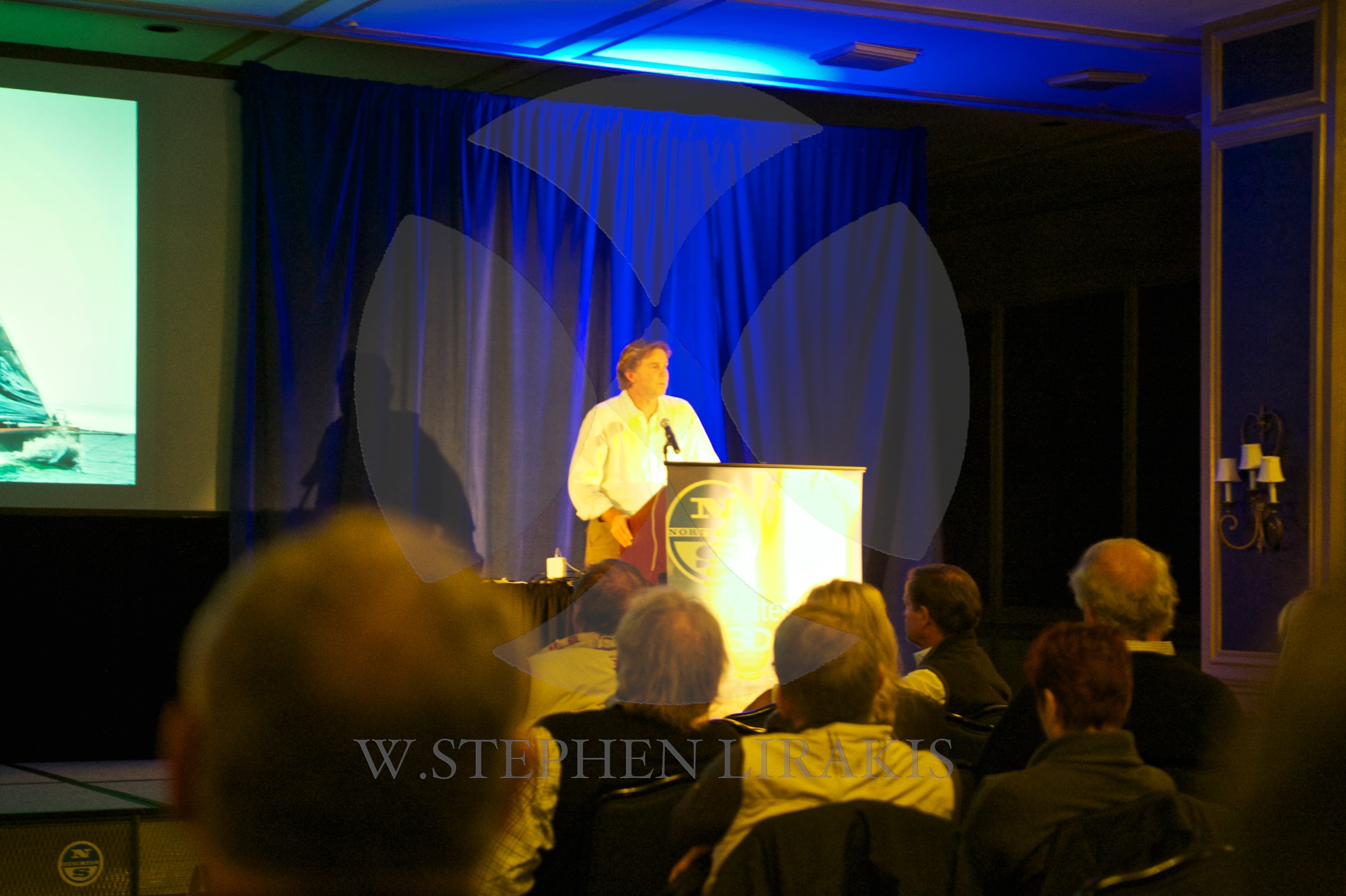
Ken Read: “The Volvo Ocean Race is my life”
Amory Ross/PUMA Ocean Racing/Volvo Ocean Race
By Agathe Armand
The 2011-12 edition was the closest in our 40-year history but according to Ken Read the next one will be even tighter – and even more demanding for the sailors involved. The former PUMA skipper, now president of North Sails, is (almost) certain he’ll be watching from the shore this time but when your emotional bond with a race runs as deep as his, it’s best not to rule it out.
Amory Ross/PUMA Ocean Racing/Volvo Ocean Race Amory Ross/PUMA Ocean Racing/Volvo Ocean Race Marc Bow/Volvo Ocean Race PAUL TODD/Volvo Ocean Race
“I still think like the race is my life. Whether it feels every minute of my day or not, I still think like it’s a big part of my life” – Ken Read
After two editions at the head of PUMA Ocean Racing, you’re now President of North Sails. How would you rate this new challenge against a Volvo Ocean Race campaign?
“It’s a big Volvo project! North Sails worldwide has 1,600 employees so it’s a reasonable size company. And I think that’s why they want me to do what I do.
“It’s managing people, it’s managing projects, it’s managing problems, it’s creating solutions, it’s surrounding yourself with good people… It’s really no different!”
North Sails is the official sailmaker of the new Volvo Ocean 65. What about the production itself?
“These sails will have to do two things: they have to be very fast, and they have to be incredibly durable. We think we have the 3Di moulding process for a very fast and very durable product. And we will do all of them at the same time before to move the mould.
“We could make Dacron sails if we wanted to, it would last around the world. But it wouldn’t have that high speed and high technology look and feel that the Volvo has to maintain. With the cost cutting procedures that are in place, including substantial cuts in the amount of sails to be used around the world, it’s on us to put our money where our mouth is to make sure that these sails last. And it’s a challenge!
“The race goes across the Equator four times, that’s a lot of exposure to brutal sunlight. And down south where the ozone layer is very fine, these sails get beat up not only by the people and by the water and by the wind but also by the rays.”
How do you look at the 2014-15 edition then, and what are your thoughts on One Design?”
“It’s a completely different animal this time around. I don’t think the One Design had any reflection as to my decision to do another one or not. My decision was more based on where I am in my career and the opportunity I had with North Sails. If this North Sails opportunity wasn’t there, would I still dig into another Volvo? Possibly. But it was the right call at the time, I think.
“I’m very curious to see what the One Design will bring to the race. What are the strategies going to be like? I think these boats are going to sail around right next to each other all the time! With our customised Volvo Open 70, it was incredible how we sailed around right next to each other. It’s all going to be much closer this time. There will be more pressure, less sleep, it’s going to make this race harder I can guarantee that.”
I’ve got to ask you the Newport question – you must be delighted to see the race stops in your hometown in 2015!
“It’s great. First of all I think it’s a wonderful solution for a North America stopover. And I’ve always been a big fan of the Volvo Ocean Race being a big fish in a small pond, so to speak. The mid-size cities are the ones with the most success as stopovers.
“I think Newport is going to fit the bill of this town/city, which is just big enough to give this race international exposure, and small enough so that the race will be the biggest fish.
“And the sailing heritage, and the facilities that they are going to put together… It’s going to be a great set-up and I only expect wonderful things from it. Plus my brother Brad is one of the stopover organisers!”
In 2011-12 you said it would be your last Volvo. Is that your final word?
“I’m obviously passionate about the race and addicted to it. I made a transition from being a round-the-buoys guy to being an offshore sailor and I love it! It would be a shame not to use what I learnt for the past six or seven years, and continue to learn. I wouldn’t say it’s the last you’ve seen of me in a Volvo race but I’m pretty sure it’s the last you’ve seen of me running a Volvo team.”
So we might see you again, and not only in Newport?
“I talked with Ian Walker couple of weeks ago about his project (Abu Dhabi Ocean Racing). I’m not bashful in saying that if somebody get nicked up or hurt or if they need somebody to come in and sail a leg or two, I’d love to do that.
“It’s just great talking about the Volvo Ocean Race. It’s still clearly my passion. I cannot even tell you how many speeches I’ve done about the race since it’s over and I love doing them because it brings out emotions. I still think like it’s my life. Whether it fills every minute of my day or not, I still think like it’s a big part of my life.”
NEW EXECUTIVE DIRECTOR OF SYRF
Congratulations to Bjorn Johnson appointed the executive director of the Sailing Yacht Research Foundation
SYRF APPOINTS NEW OFFICERS
Scott Weisman joins Board of Directors as new Treasurer, Bjorn Johnson becomes Executive Director
Effective June 1st, the Sailing Yacht Research Foundation (SYRF) will have a new Treasurer and a new Executive Director position filled to help guide the organization forward in its mission to support the science of sailing.
Scott Weisman from White Plains, NY will join the Board of Directors of SYRF as its new Treasurer, filling the position vacated by Peter Reichelsdorfer who retired from SYRF last month. Weisman is a Co-Chairman of Etico Capital LP and Senior Managing Director of Olympus Securities, LLC, and has decades of inshore and offshore racing experience in the Northeast US, having had a succession of designs named Pterodactyl campaigned successfully throughout the region, and most recently also raced the Tripp 41 High Noon. Scott is no relation to San Diego-based fellow SYRF Board member Gary Weisman.
“I joined SYRF because I believe in its mission to support handicap racing with science,” says Weisman. “Science and technology are the anchors to any good handicap system, and I believe that if we have the best technology then we can have the best racing.
“HPR is an example: it is SYRF that has supported the advent of this new system to encourage the design of high-performance offshore yachts that are pushing technology forward, and this concept is getting traction all over the world. I look forward to helping shape this and other dimensions of the SYRF mission for the future.”
SYRF has also created a new Executive Director position to help manage its operations and fundraising efforts of the foundation, which has 501(c)3 status to accept tax-deductible donations. Bjorn Johnson from Newport, RI will fill this position, and brings with him a wealth of both sailing and organizational experience in offshore sailing. With a professional background in real estate project management, Johnson has applied these skills as the leader of several one design class fleets over the past decade, but most notably was also Chairman of the 2010 Newport-Bermuda Race, one of the world’s premier ocean races.
“I see that there is fertile ground available to grow offshore sailing,” says Johnson, “and SYRF can play a very important role in this growth. Besides promoting research and development, I see other key elements being education and transparency in the use of the research that comes from SYRF-funded projects. Owners, sailors, race organizers and managers, and even the media need to know more about how science can be applied to create better sailing for everyone.
“I look forward to finding donors who share this vision, but also working with rating systems and classes to apply these principles.”
Johnson has also accepted the Executive Director position for the Offshore Racing Association (ORA), the owner of the HPR and ORR rating rule systems.
“We are really pleased to have Bjorn and Scott on board,” says SYRF co-Chairman Steve Benjamin. “They both share the Board’s vision and goals for the future, and with their successful backgrounds and experience bring great skills and insight to having us accomplish our mission.”
For more information on SYRF, and information on how to make a tax-deductible donation, visit the website at www.sailyachtresearch.org. For a T2P-produced video explaining the SYRF mission, visit http://youtu.be/jgsdhgvd8A8.
About SYRF: The Sailing Yacht Research Foundation (SYRF) provides the sport of yacht racing with the technology, tools, research, and expertise necessary to broaden and deepen the understanding of yacht dynamics, to improve the fairness of yacht racing handicapping and rating rules, and encourage the universal adoption and implementation of those rules. A 501(c)3 foundation, SYRF was incorporated in 2006 by a group of sailors and scientists who, through research into the performance of competitive sailing yachts, made it their goal to develop the tools that aid in promulgating better handicap racing in all categories.
(ends)
FAST AND WET BLOCK ISAND RACE 2013
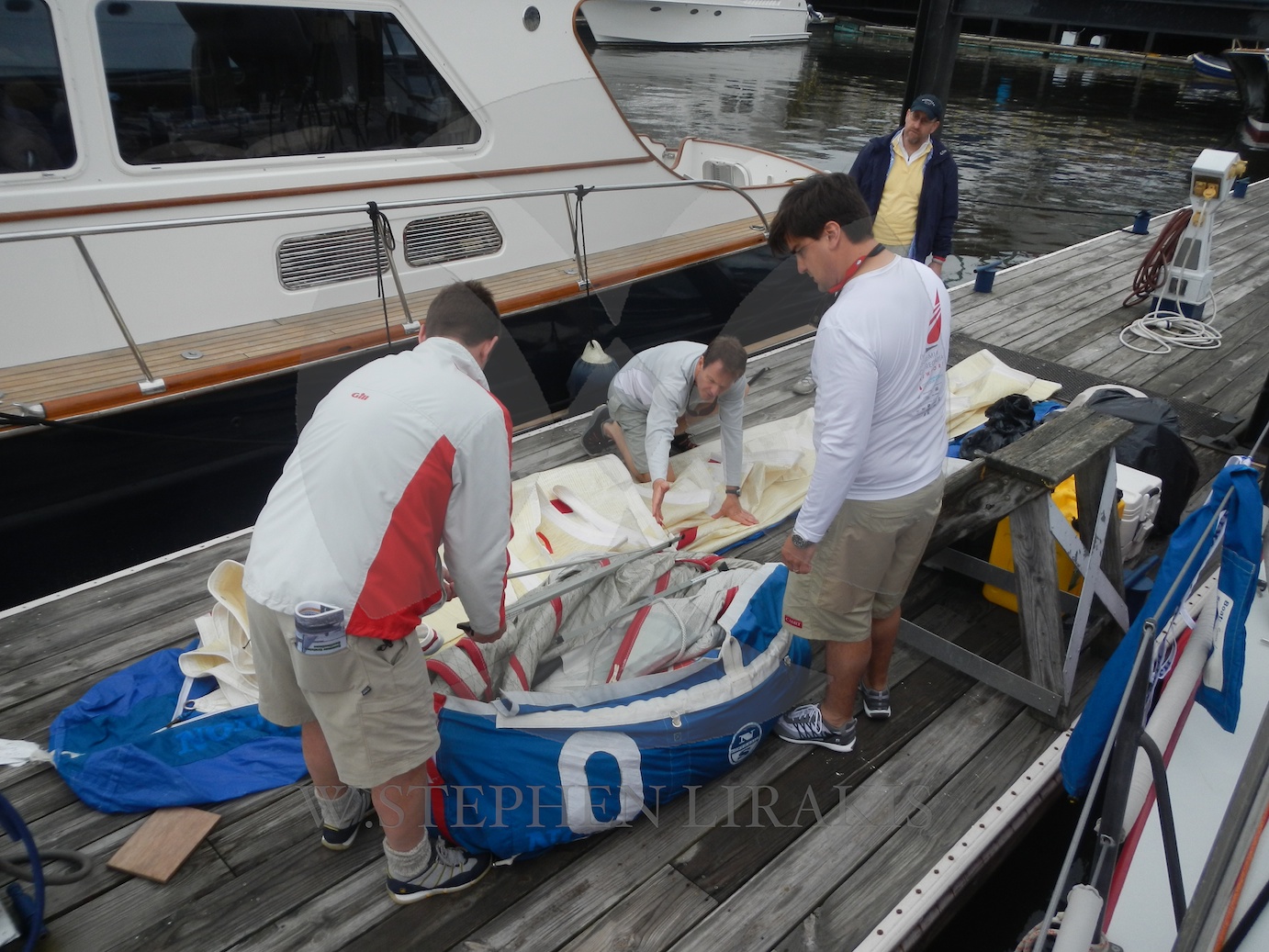
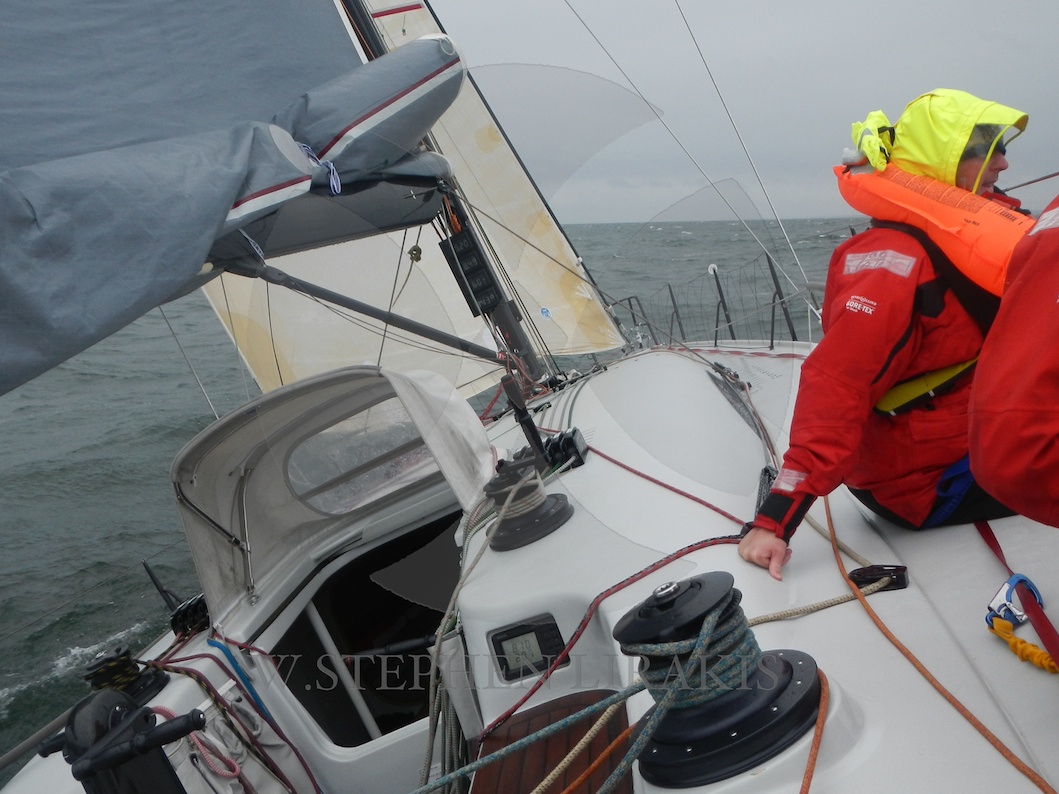
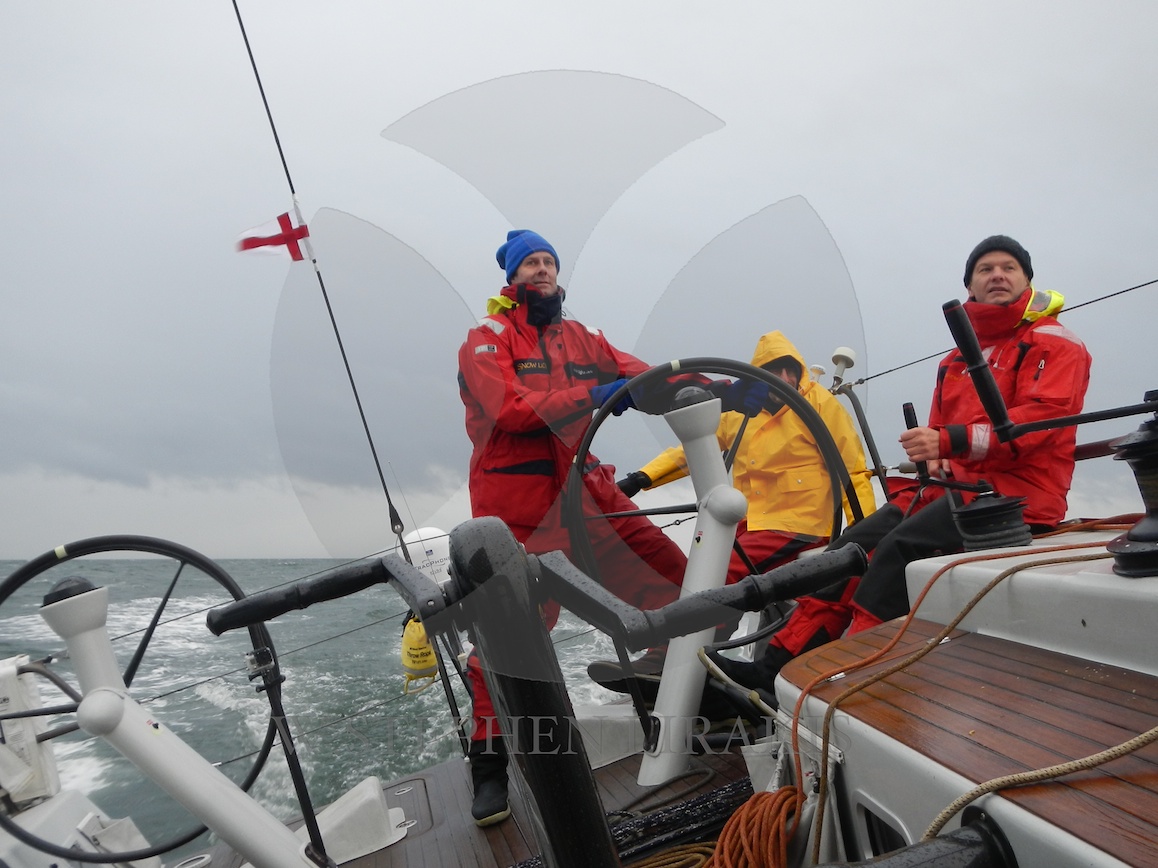
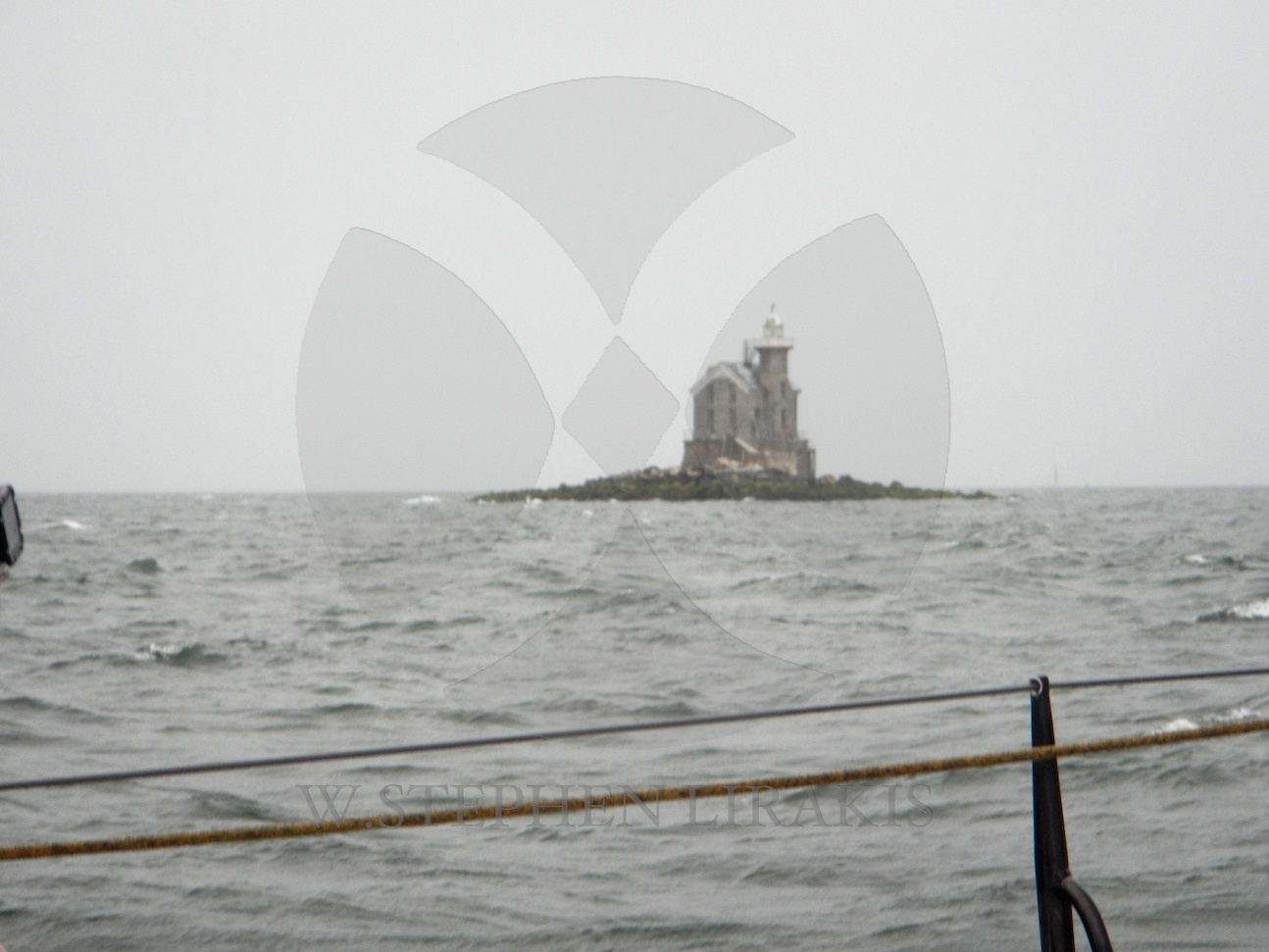
As I indicated earlier, every Block Island Race race is unique this one was no different. We sailed the course in just under 21 hours; the fastest I have ever completed the course. However, every other boat also sailed their fastest race. We started at 3:15 pm on Friday afternoon, we were out of the sound by 9 pm, 1BI at 1am Saturday morning, finishing at 12 noon Saturday. The wind was 15-35 knots from 315-015 compass bearing, with rain on and off. Back in Newport by 6:30 pm that night.
BLOCK ISLAND RACE STARTS TODAY
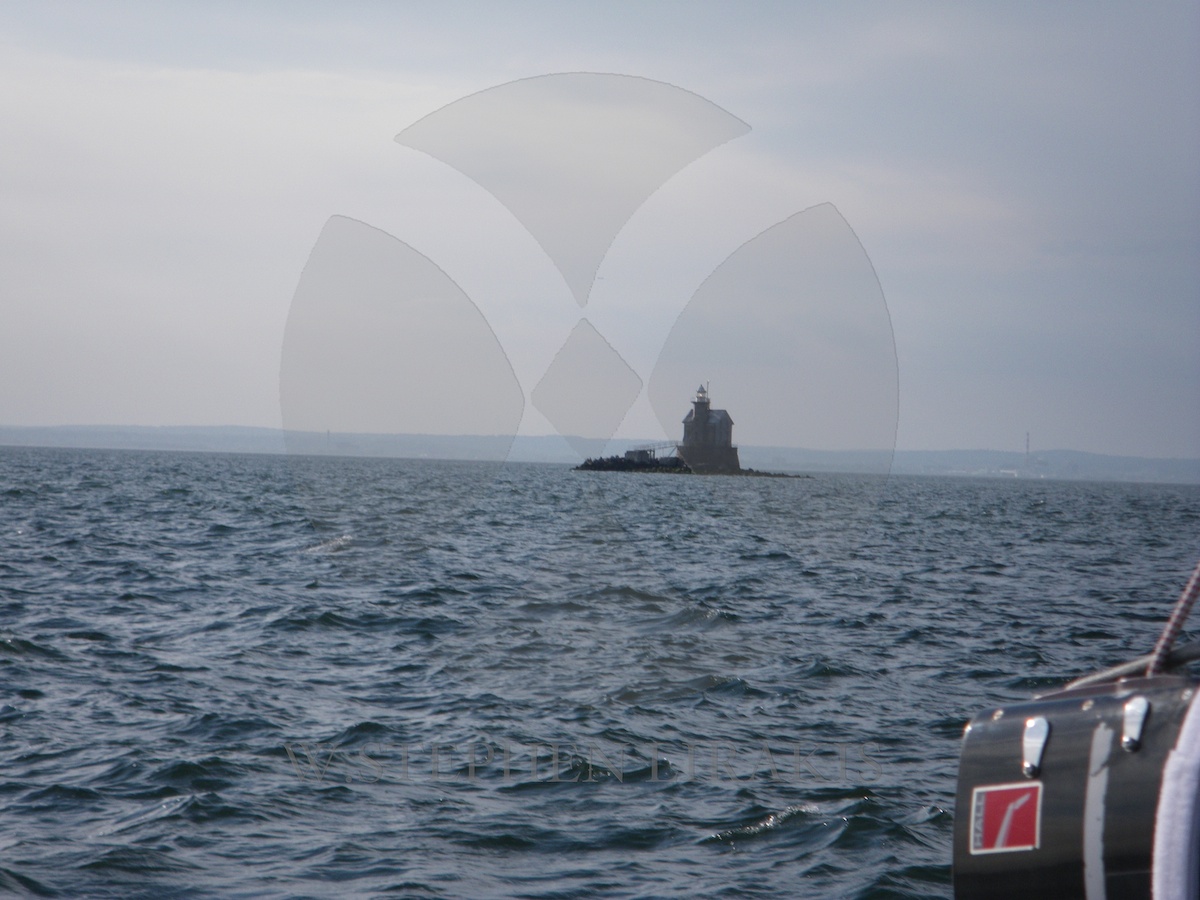
The Block Island Race starts today. I have driven, like so many others; route 95 since the sixties to sail this race. It is the hardest part of the race. Each and every race is unique, the weather, current are never the same. Full report when I return.

DID THE AUTHOR MISS APRIL 1ST?
Scientists find gene for love of the sea
Researchers at Mystic University in Connecticut have identified a gene associated with seafaringness, according to an article to be published tomorrow in the journal Genetic Determinism Today. Patterns of inheritance of the long-sought gene offers hope for “sailing widows,” and could help explain why the sailing life has tended to run in families and why certain towns and geographical regions tend historically to have disproportionate numbers of sea-going citizens.
The gene is a form of the MAOA-L gene, previously associated with high-risk behavior and thrill-seeking; another form of the gene, found last year, made news as the “warrior gene.” The current variant, dubbed 4C, was found by a genome-wide association study (GWAS) on 290 individuals from Mystic, CT, New Bedford, MA, and Cold Spring Harbor, NY—all traditional nineteenth-century whaling villages. Residents showed the presence of the 4C variant at a frequency more than 20 times above background in neighboring landlocked towns.
C. M. Ishmael, the lead researcher on the study, said the findings could be a boon to medicine. Although the International Whaling Commission outlawed commercial whaling in 1986, the research could benefit literally hundreds of “sailing widows” left alone for Wednesday-evening sailboat races up and down the East Coast. Each year, an average of 11 salt-stained Polo shirts wash up on the New England and Mid-Atlantic coasts, the only remains of lantern-jawed investment bankers and their half-million-dollar boats. Ishmael said he is trying to have the irrational urge to sail entered into the Diagnostic and Statistical Manual, standard reference for psychiatric diseases, in the next, fifth, edition.
“This receptor is an exciting potential target for new drug therapies,” Ishmael said in a phone interview. “We hope lots of companies will be interested in it. And venture capital, too.” Ishmael is himself CEO of a company, MysticGene, formed to develop such therapies. When asked about potential conflict of interest, he replied cryptically, “Well, duh.” Shares of MysticGene closed higher on Monday following the announcement.
The gene for seafaringness has long been an object of study for human geneticists. The trait was first described in 1919 by Charles Davenport, director of Cold Spring Harbor Laboratory, who named it “thalassophilia.” Using pedigree analysis and anecdotal correlation, Davenport identified thalassophilia as a sex-linked recessive gene and distinguished it clinically from wanderlust, or love of adventure. Although one might think naively that people living in towns with good harbors would tend to go to sea, Davenport suggested the reverse: those with the thalassophilia trait have tended to migrate toward regions with good harbors and found settlements there. The current study does nothing to refute Davenport’s analysis.
Further, a tentative expansion of the GWAS analysis to various racial groups largely confirms Davenport’s observations that thalassophilia is more prevalent in Scandinavians and the English, and less common in people of German ancestry.
Thalassophilia joins a rapidly growing list of complex behavioral traits that have been shown to have a genetic basis, thanks to GWAS. Besides the warrior gene, recent studies have found genetic links to promiscuity, aggressive behavior, especially while drinking, religiosity, and bipolar disorder, or manic depression—all traits that Davenport and other early human geneticists were deeply interested in. The difference is that modern science better understands the mechanisms involved.
“Seamen know very well that their cravings for the sea are racial,” Davenport wrote in 1919. “’It is in the blood,’ they say.” Today we know it’s not in the blood—it’s in the genes.
ALL THE RIGHT REASONS
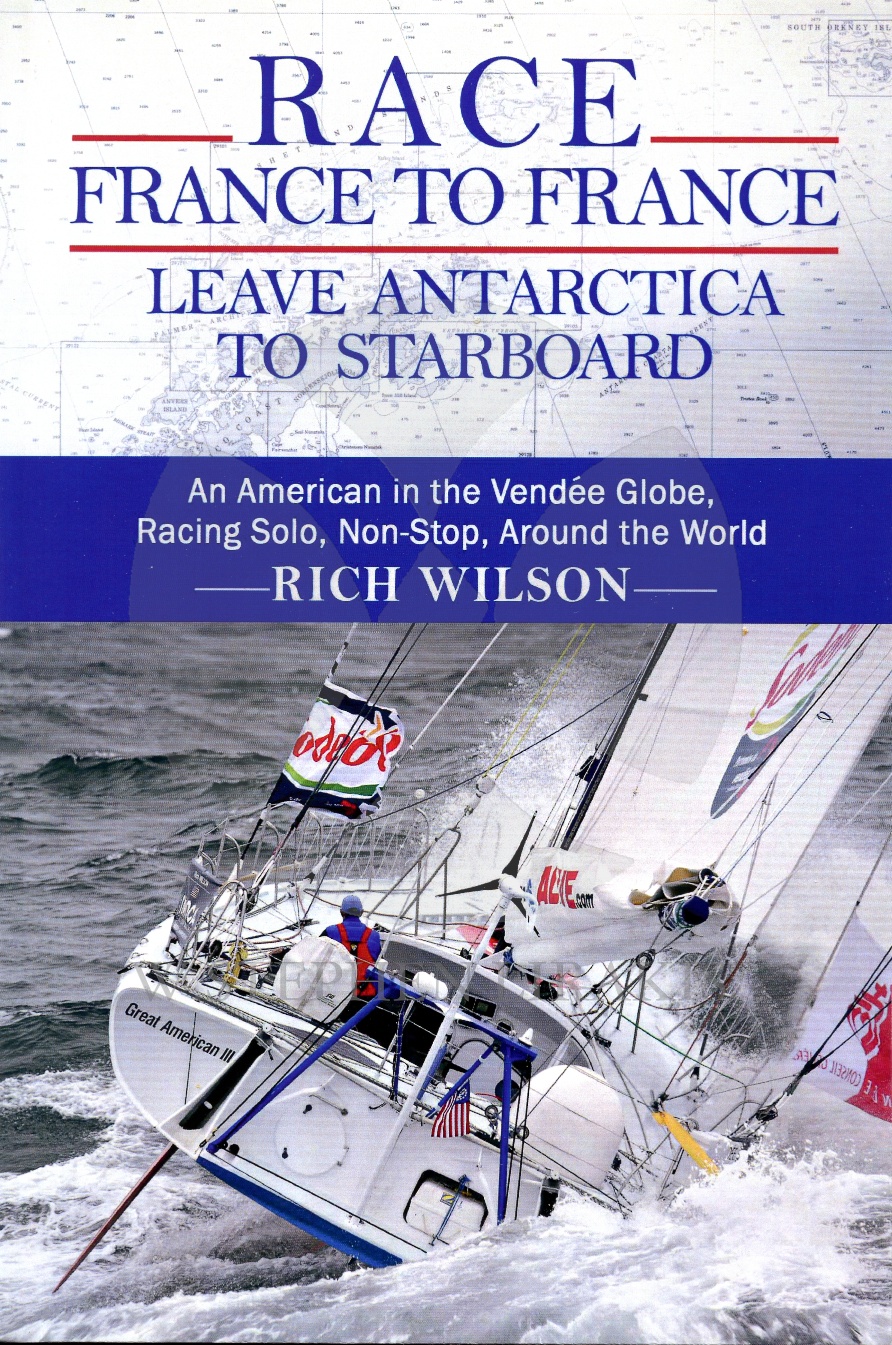
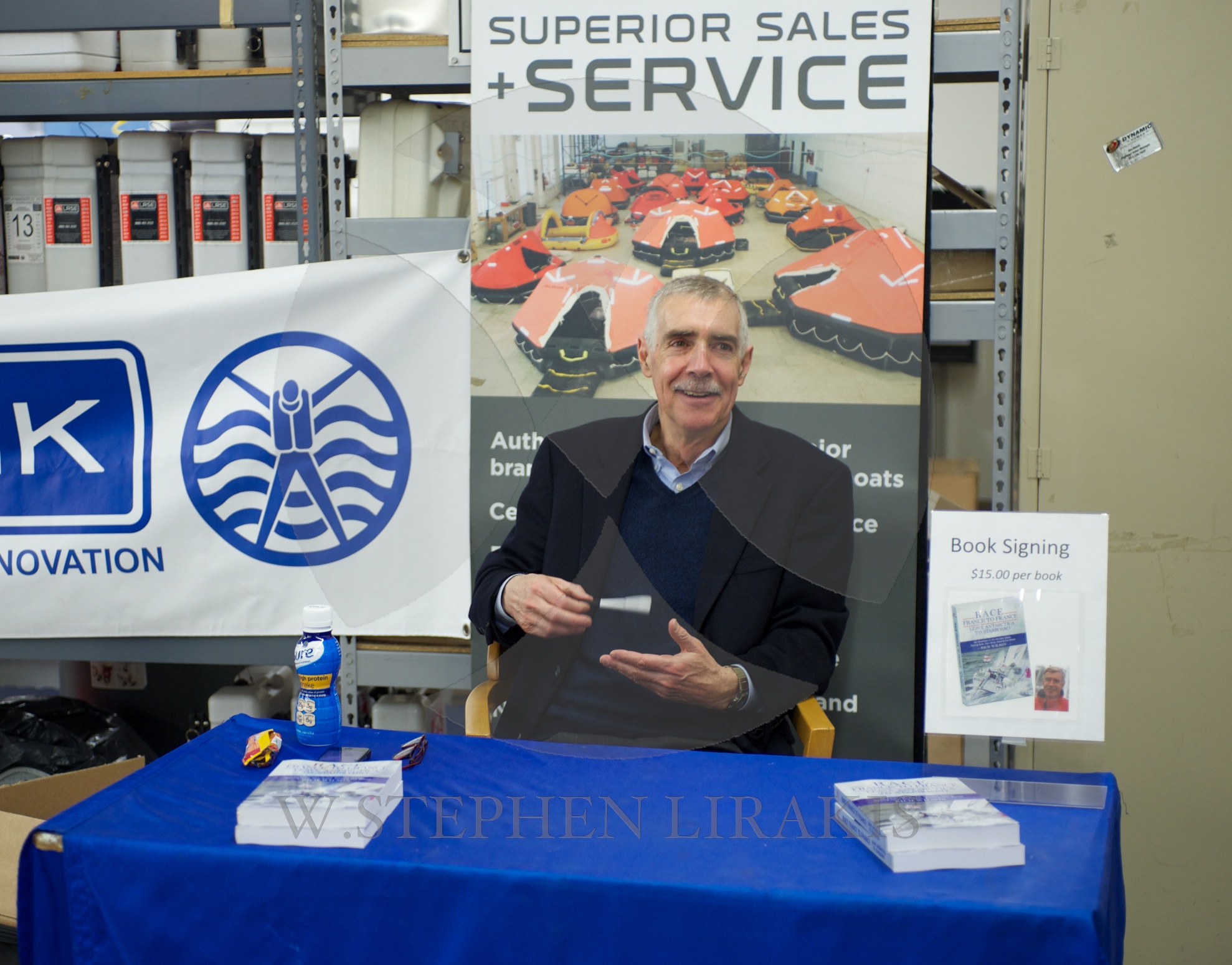
Tonight I listened to Rich Wilson speak about his adventure of sailing the Vendee Globe race. The occasion was the 30th anniversary of Lift Raft and Survival Equipment, begun by Jim O’Oconnor.
Rich knew he would not and could not win the race but embraced the adventure. Quite apart from the gripping story of the race itself was how surprised, mystified he was by the French people. He learned something about himself because he was open to see what was around him.
His adventure was for all the right reasons.
VOLVO RACE COMES TO NEWPORT
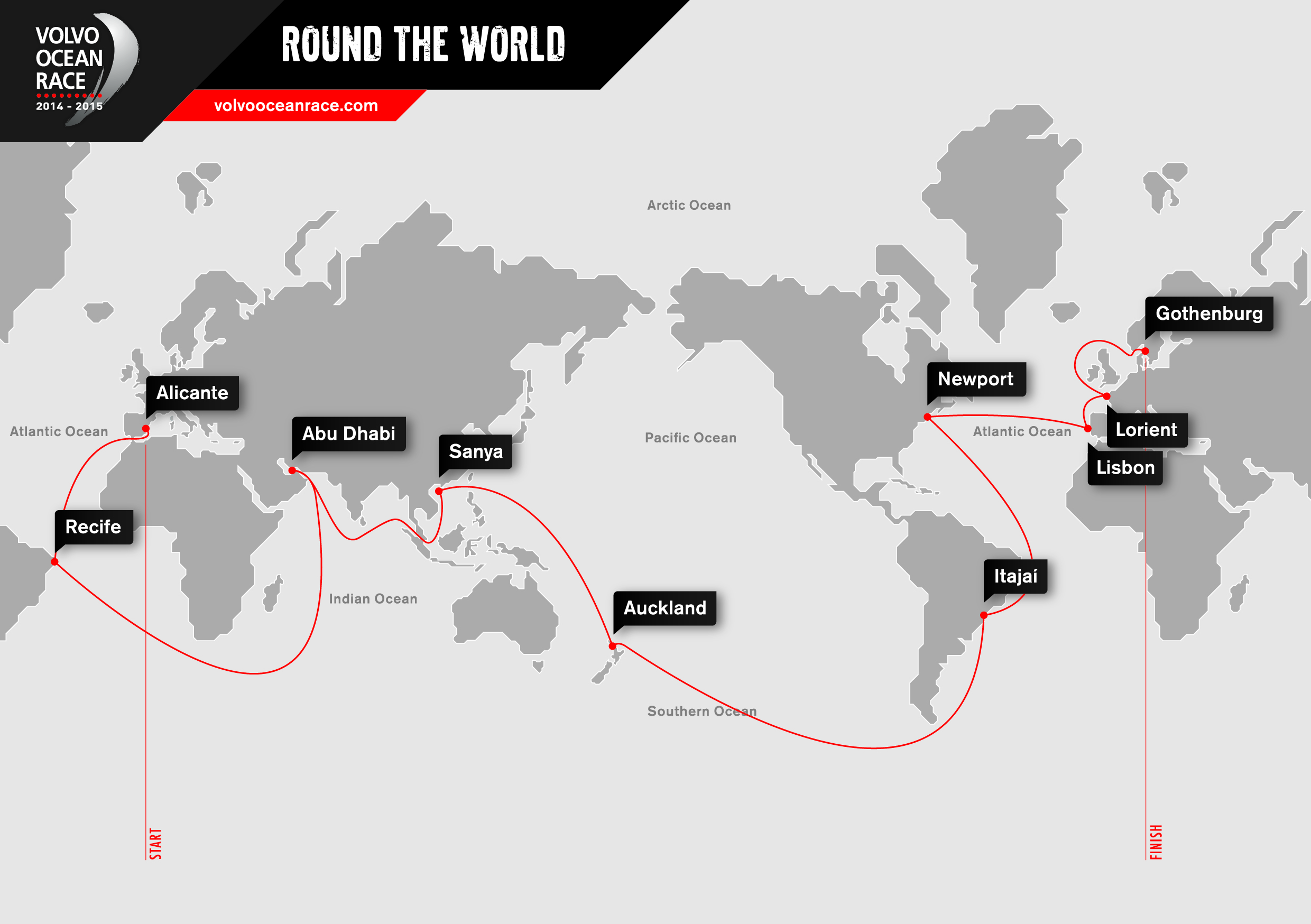
Newport is a small town. The population is 28,000 in round numbers; but it has proved to be the right venue for sailing events.Even the America’s Cup teams have all suggested that they preferred Newport. So the Volvo Ocean Race will arrive here in May 2015.
Leg Start – Leg route – Leg distance
October 11, 2014 – Alicante, Spain to Recife, Brazil – 3,421 nm
November 9, 2014 – Recife, Brazil to Abu Dhabi, UAE – 9,707 nm
January 3, 2015 – Abu Dhabi, UAE to Sanya, China – 4,670 nm
February 8, 2015 – Sanya, China to Auckland, NZL – 5,264 nm
March 15, 2015 – Auckland, NZL to Itajaí, Brazil – 6,776 nm
April 19, 2015 – Itajaí, Brazil to Newport, USA – 5,010 nm
May 17, 2015 – Newport, USA to Lisbon, Portugal – 2,800 nm
June 7, 2015 – Lisbon, Portugal to Lorient, France – 647 nm
To be decided – Lorient, France to Gothenburg, Sweden – 1,600 nm
RORC CARIBBEAN 600 UPDATE
Strong tradewinds have the entries ahead of the previous record set by Rambler. CLICK HERE for tracking.
RORC CARIBEAN 600 STARTS TODAY
53 boats entered in the RORC caribbean 600