Deprecated: trim(): Passing null to parameter #1 ($string) of type string is deprecated in /home/stephenl/public_html/wp-content/plugins/sexybookmarks/public.php on line 388
Deprecated: trim(): Passing null to parameter #1 ($string) of type string is deprecated in /home/stephenl/public_html/wp-content/plugins/sexybookmarks/public.php on line 394
Deprecated: trim(): Passing null to parameter #1 ($string) of type string is deprecated in /home/stephenl/public_html/wp-content/plugins/sexybookmarks/public.php on line 400
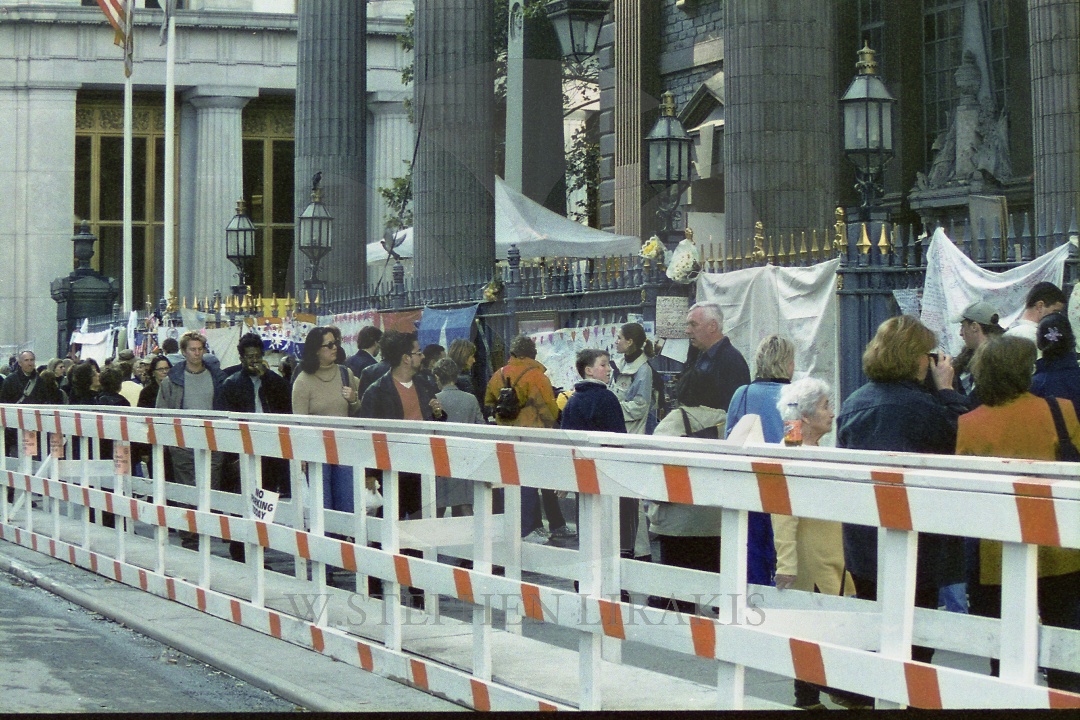
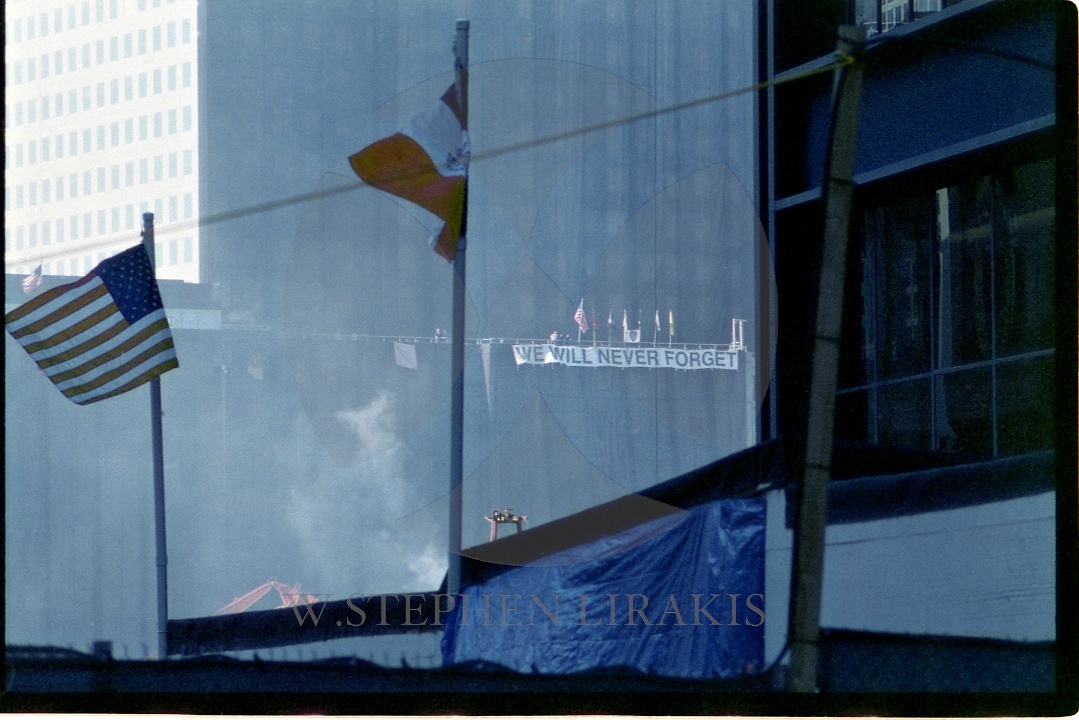
The 11th anniversary of 9/11. I sense that people have moved on; not those who were directly affected. That said, this event changed our culture and the psyche of the american people forever.
So many people have a story connected to this event, all of us remember where we were that day.
Deprecated: trim(): Passing null to parameter #1 ($string) of type string is deprecated in /home/stephenl/public_html/wp-content/plugins/sexybookmarks/public.php on line 388
Deprecated: trim(): Passing null to parameter #1 ($string) of type string is deprecated in /home/stephenl/public_html/wp-content/plugins/sexybookmarks/public.php on line 394
Deprecated: trim(): Passing null to parameter #1 ($string) of type string is deprecated in /home/stephenl/public_html/wp-content/plugins/sexybookmarks/public.php on line 400
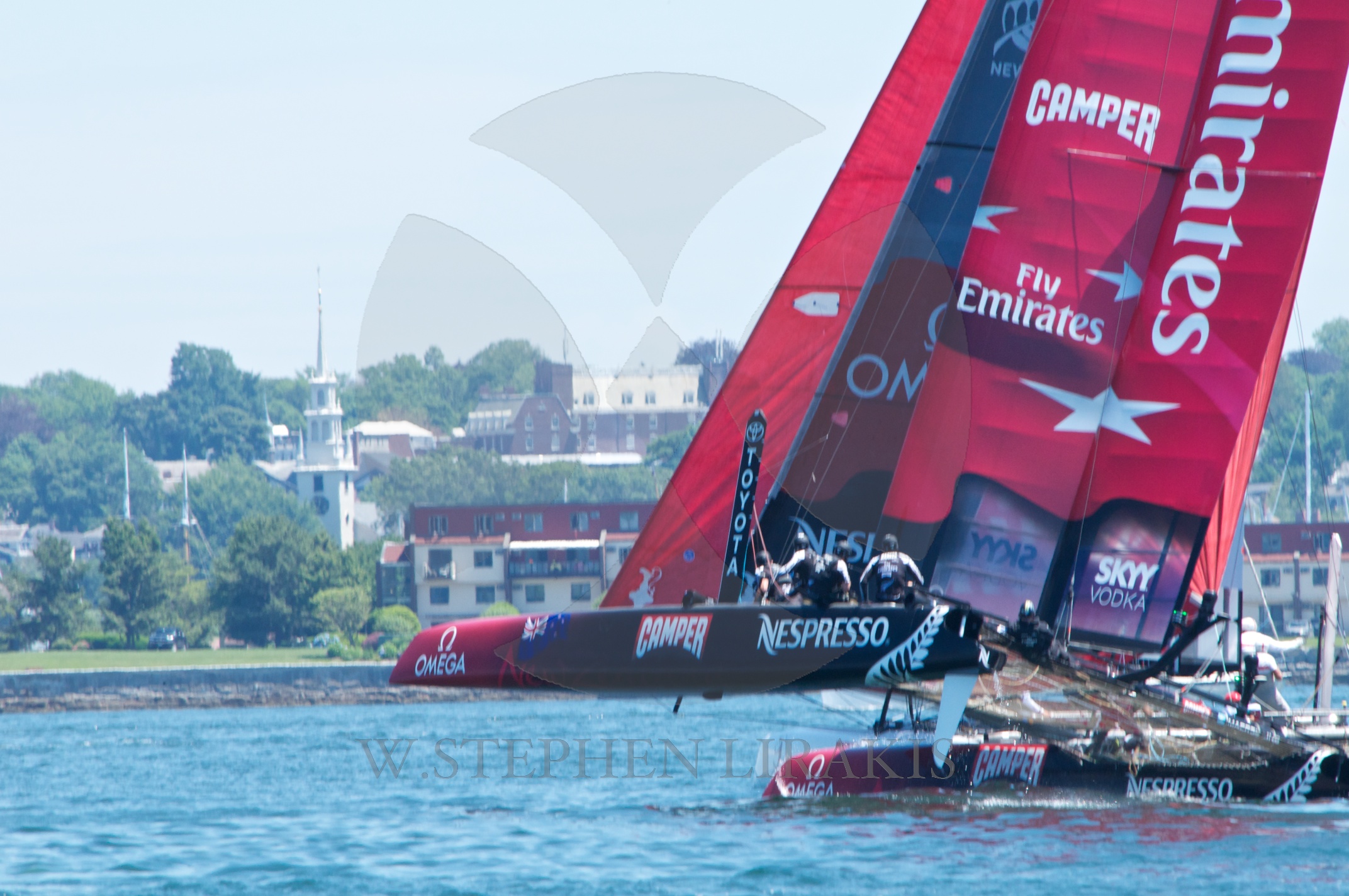
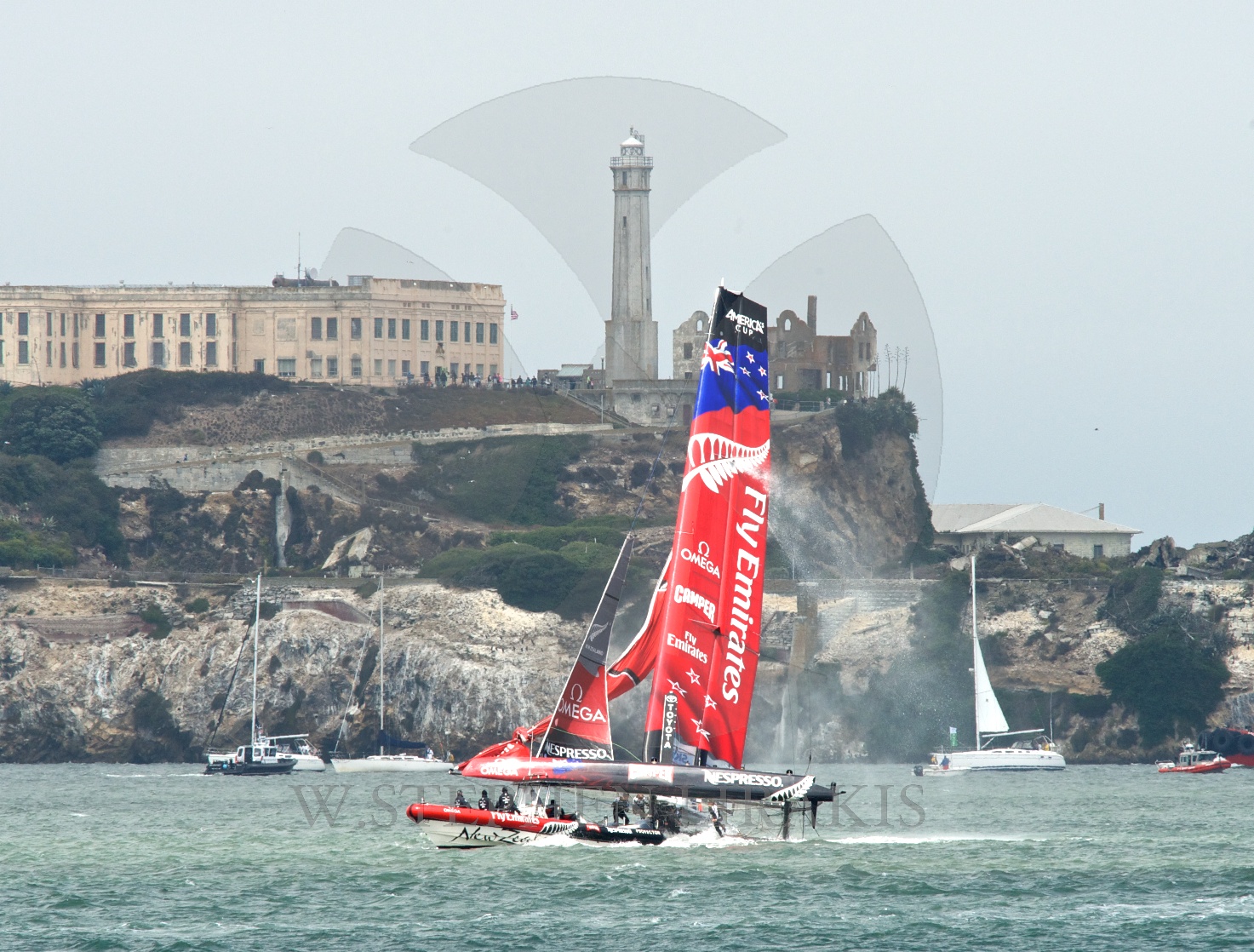
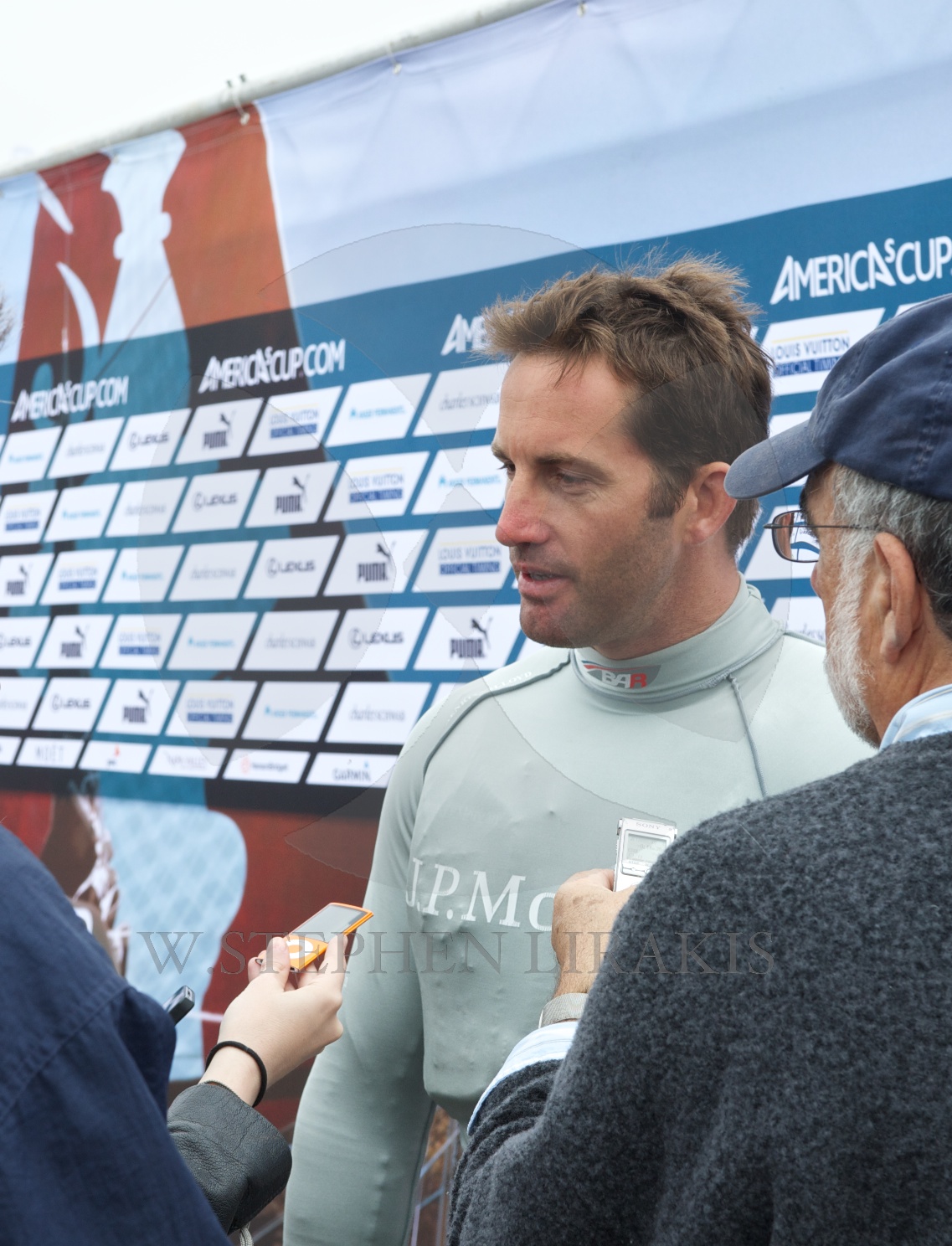
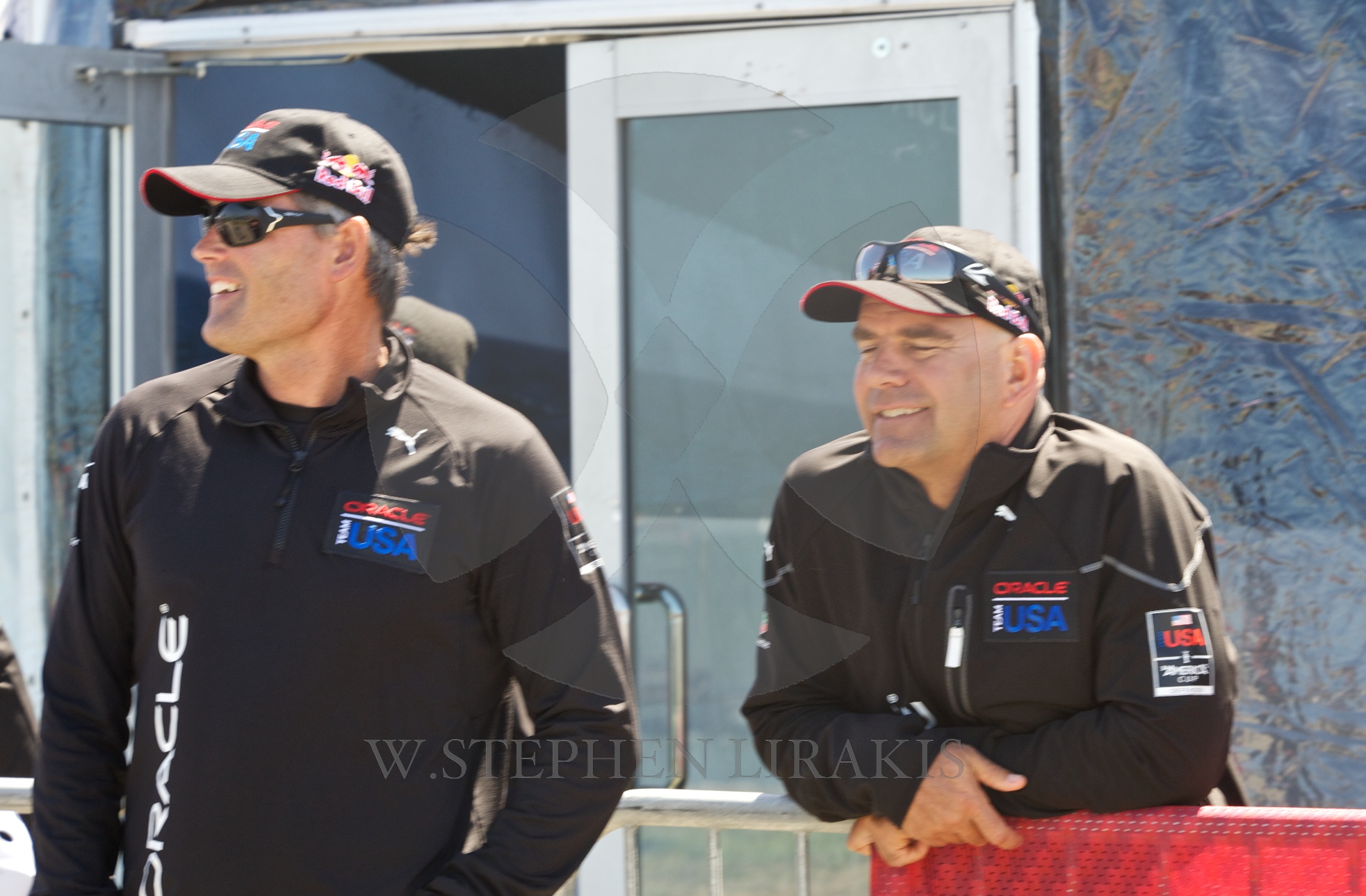
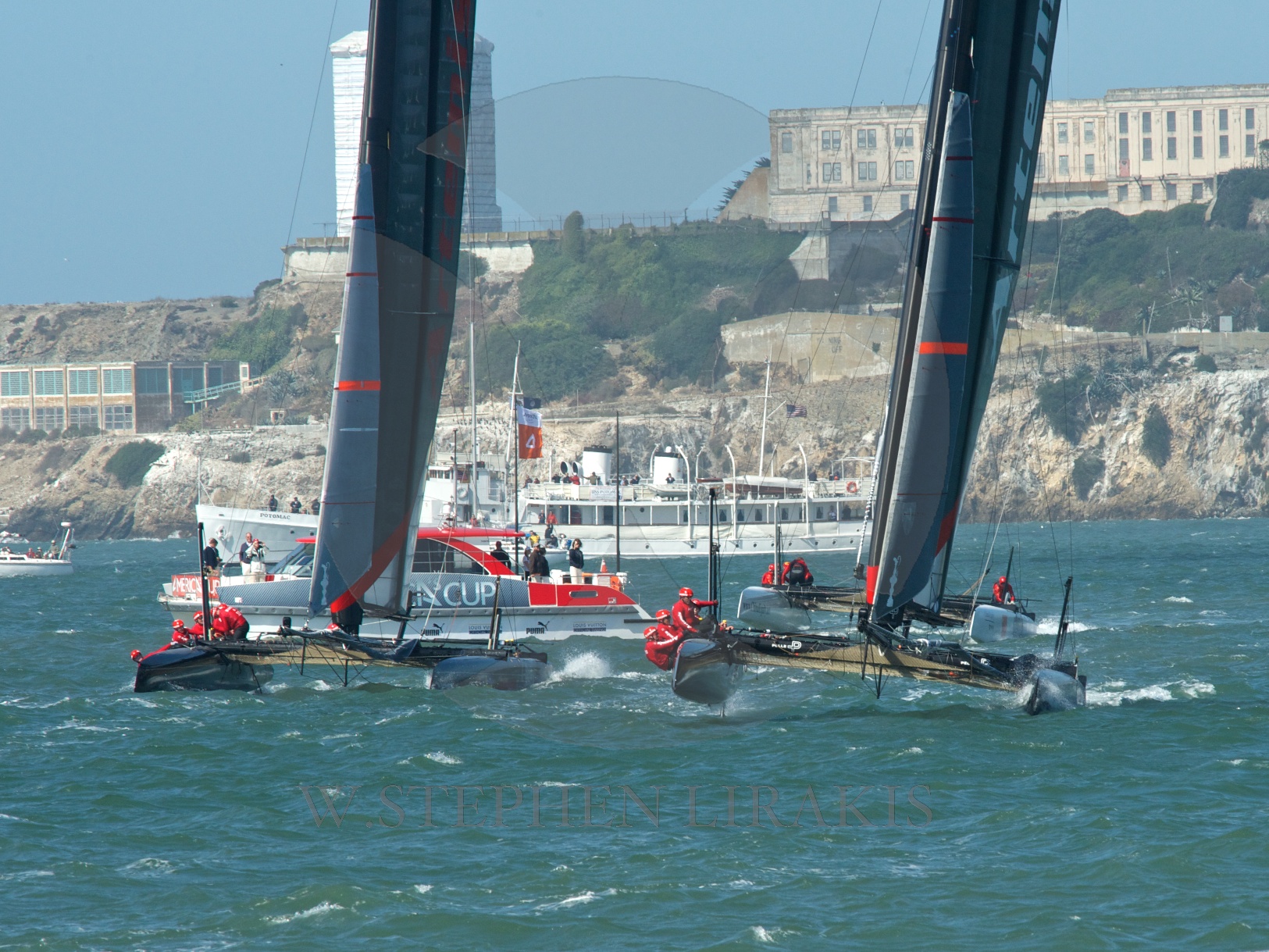
It is after labor day, the unofficial end of summer, and the beginning of school, or at least it used to be. The Olympics took place this summer and the America’s Cup is heating up. There is no shortage of Olympic sailors in the America’s Cup.
If you are a sailor and an American, you were stunned to see that the US did not medal in a single class, not even in the hunt.
ISAF, the governing body of sailing is so politically charged, it is often hard to understand if the right thing happens or could happen.
If the Olympics wanted to truly limit costs and open the possibility of more good sailors; there is a solution: model the sailing after college sailing. The host country would select a boat, doesn’t matter which. They would build a fleet which could be sold at the end of the event.
The sailors would race against each other in these boats, rotating after every race. This is level racing, with little room for anything else.
The America’s Cup is a development event. It is intended to foster faster sailing boats. The Event in 1851 was conceived to showcase naval architecture.
Deprecated: trim(): Passing null to parameter #1 ($string) of type string is deprecated in /home/stephenl/public_html/wp-content/plugins/sexybookmarks/public.php on line 388
Deprecated: trim(): Passing null to parameter #1 ($string) of type string is deprecated in /home/stephenl/public_html/wp-content/plugins/sexybookmarks/public.php on line 394
Deprecated: trim(): Passing null to parameter #1 ($string) of type string is deprecated in /home/stephenl/public_html/wp-content/plugins/sexybookmarks/public.php on line 400
Very cute, The America’s Cup takes itself so seriously, this video is frankly a relief. I have known more than one designer/engineer who would think to do the same thing.
Deprecated: trim(): Passing null to parameter #1 ($string) of type string is deprecated in /home/stephenl/public_html/wp-content/plugins/sexybookmarks/public.php on line 388
Deprecated: trim(): Passing null to parameter #1 ($string) of type string is deprecated in /home/stephenl/public_html/wp-content/plugins/sexybookmarks/public.php on line 394
Deprecated: trim(): Passing null to parameter #1 ($string) of type string is deprecated in /home/stephenl/public_html/wp-content/plugins/sexybookmarks/public.php on line 400
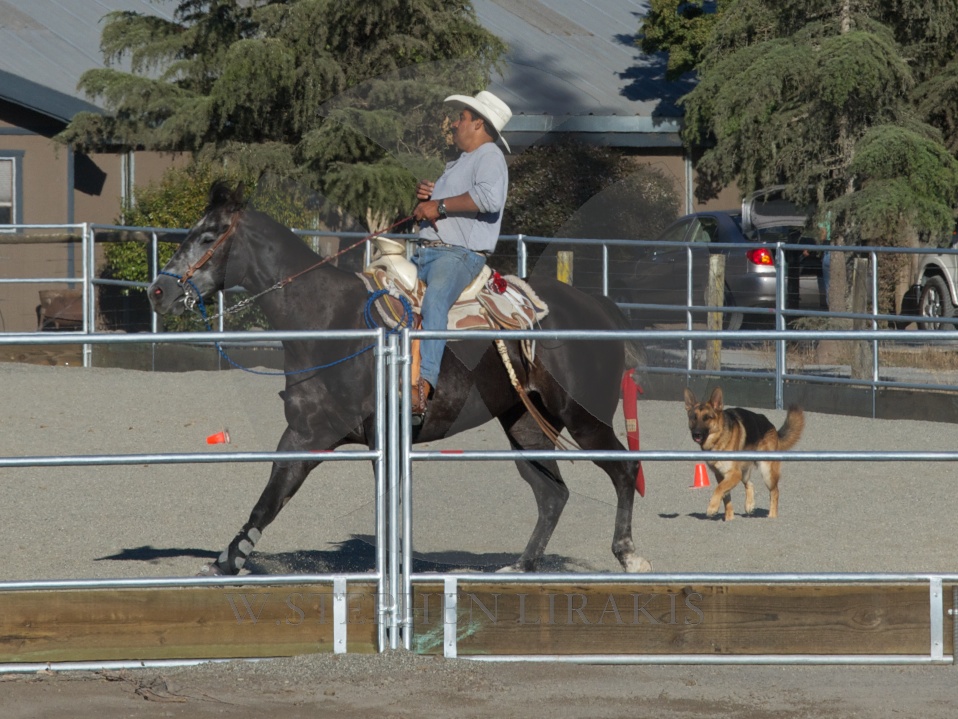
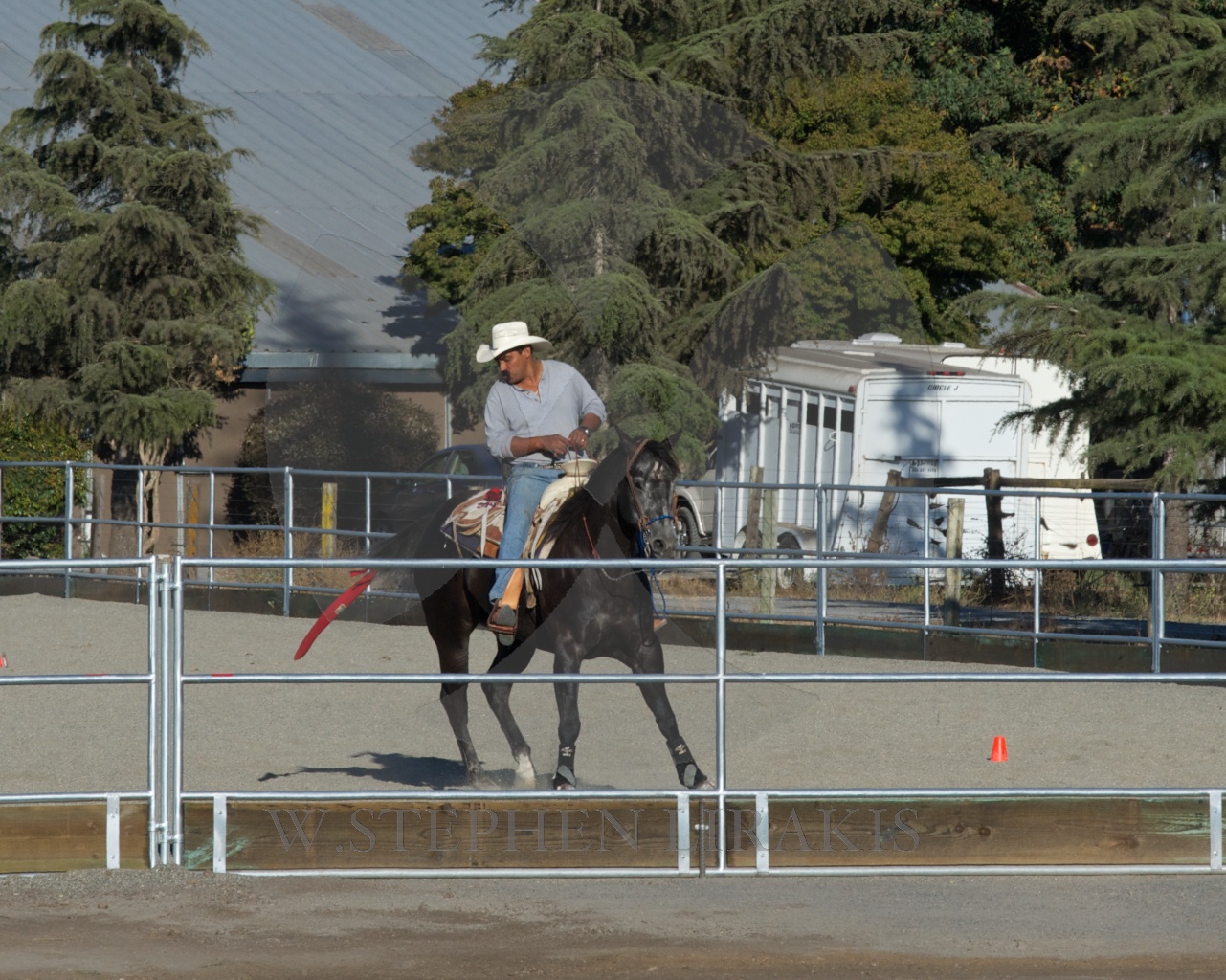
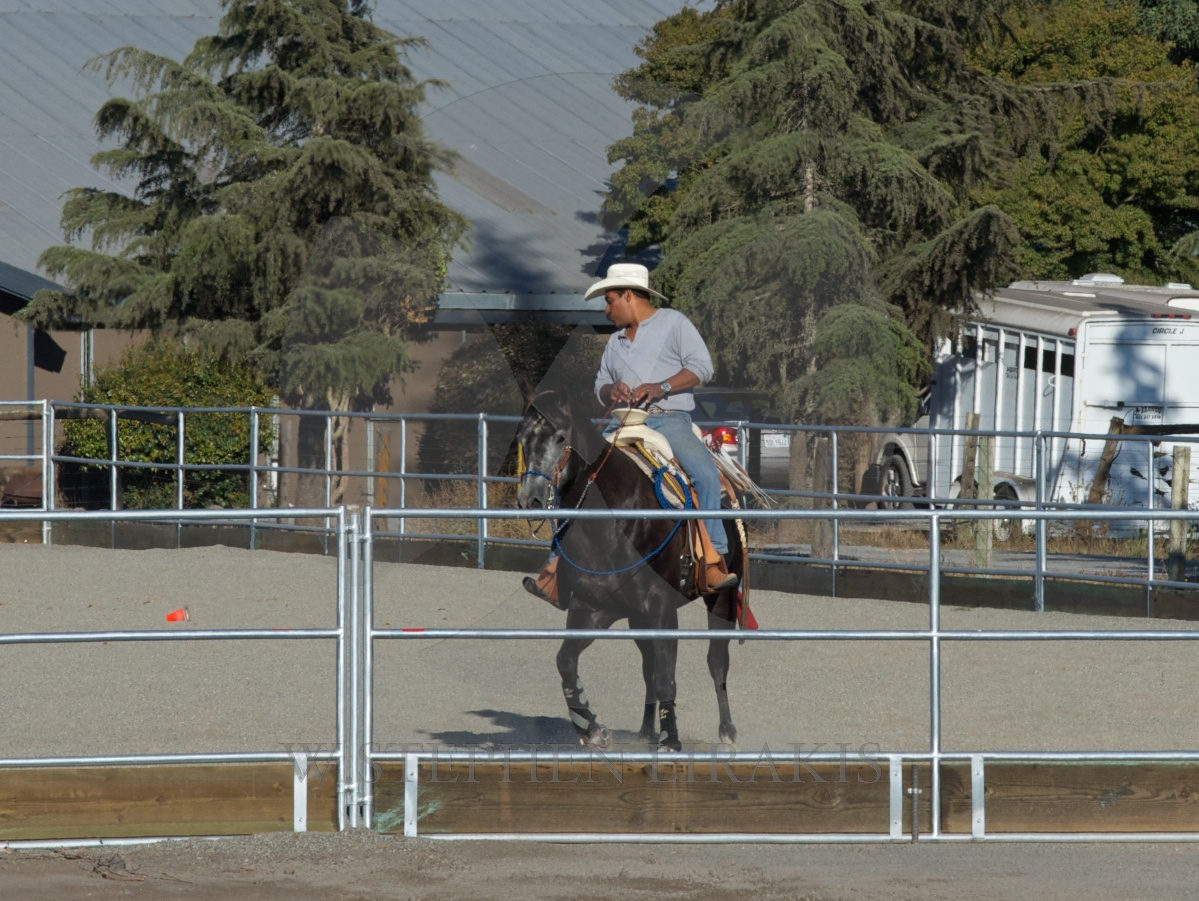
Dancing cowboy, I was on my way somewhere else and could not stop to take good photographs, hoping he would still be working when I returned. No such luck; so these are the best I have. I have a friend who says “the best camera you have, is the one you have with you”. It applies to the images as well. You have to stop and take the photo.
Deprecated: trim(): Passing null to parameter #1 ($string) of type string is deprecated in /home/stephenl/public_html/wp-content/plugins/sexybookmarks/public.php on line 388
Deprecated: trim(): Passing null to parameter #1 ($string) of type string is deprecated in /home/stephenl/public_html/wp-content/plugins/sexybookmarks/public.php on line 394
Deprecated: trim(): Passing null to parameter #1 ($string) of type string is deprecated in /home/stephenl/public_html/wp-content/plugins/sexybookmarks/public.php on line 400
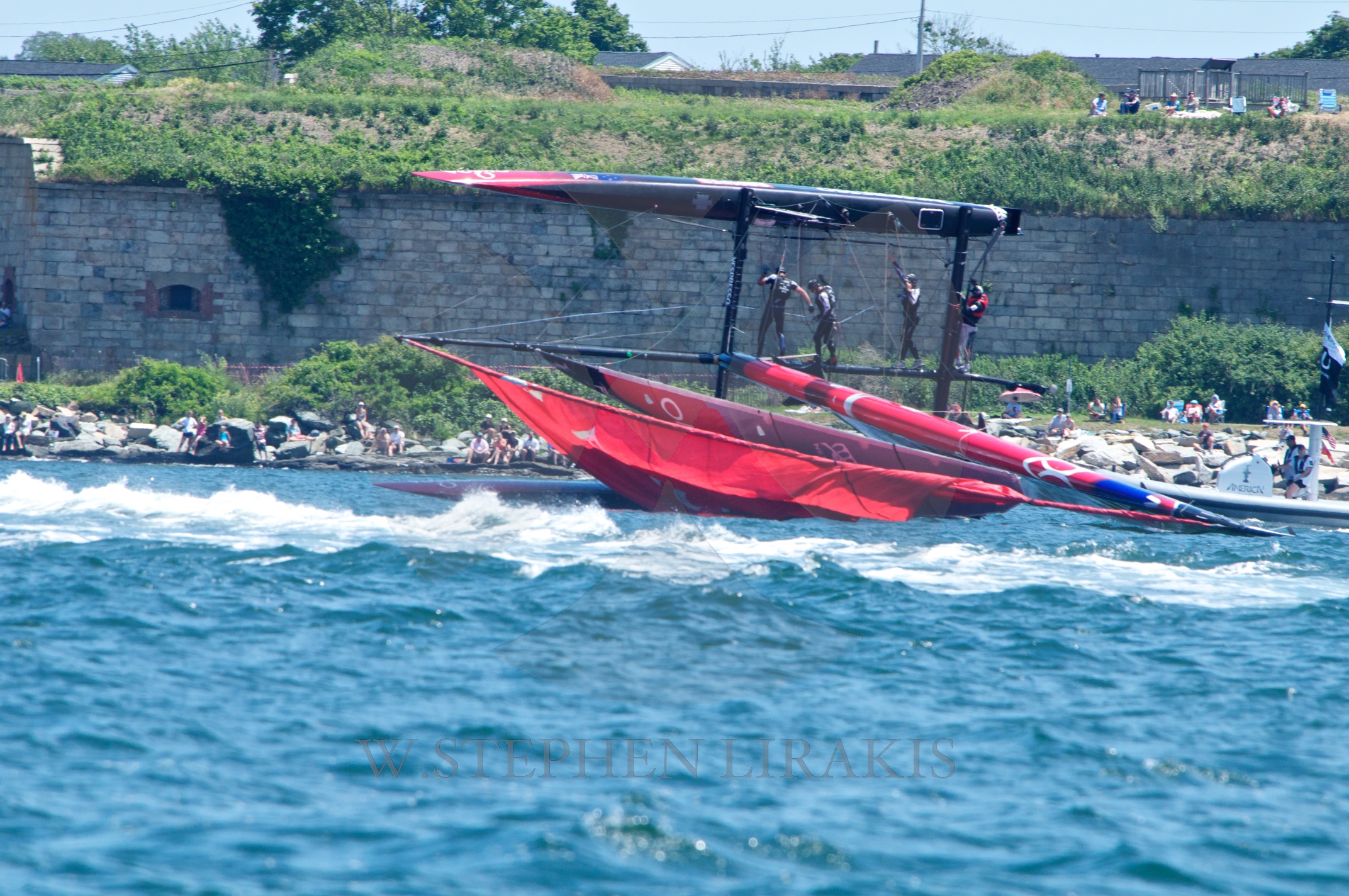
Hydropetiere set the new standard. Foils are in. To go fast you must reduce wetted surface. Will SpeedDream work as hoped? No matter what sailing has changed dramatically in my lifetime. And the change has accelerated.
Oracle’s L-foil failure on their AC72’s first day out was no minor snafu. With nearly a two-month build time for the hyper-engineered appendages, their engineers and designers must be freaking out right now trying to understand exactly how and why such an important structure broke. With the foil carrying more than half the weight of the boat in fully foiling conditions, it’s akin to a brand new Formula One car losing its front wheels on the first-ever test lap. Like Artemis’ expensive and time-consuming wing failure and repair, Oracle could be looking at the loss of a ton of development time exactly when they need it most: When the breeze is pumping through the Golden Gate. We’ll see what the spare looks like – it’s very easy to stay posted on the up-to-the-minute action with all the boats here.
ETNZ seems to be getting the most out their Auckland testing with minimal drama, but it’s worth noting that these boats are all just one bad decision away from having a long repair bill, especially when they’re doing 40 knots, 4 feet above the water’s surface, held up by just two tiny blades of carbon. For anyone still wondering if ‘fully foiling’ is nothing but a head fake, we turn to resident C-Class mastermind ‘blunted’ – who’s been down the foiling road before with the C-boat Off Yer Rocker.
Clean speculated once that we built ‘off yer rocker’ as a head fake. Well if it was, it was a really expensive practical joke, on us. Suffice to say it was not intended that way by our team. We were chasing some very “real” benefits on the course. We just did it wrong.
I’ve never really said it publicly till now, ‘cause everyone knows I am “the wing nut” and I get all hot and bothered about wings, but from about 4 seconds after the AC72 rule was cast everyone who was anyone knew the design race would be won in the water with foils, not in the air with wings. You only need to look at a few rudimentary VPP graphs to see the difference between foiling and floating to know that you want to fly as much boat as you can, because the drag goes up so fast in float mode and it goes up a lot slower in foiling mode. The big problem is control, because the Rule does not allow actuated surfaces [like a moth’s flaps –ed] to control ride height you have to figure out how to manage the whole package to keep it on its feet, in a safe enough mode you can put your foot on the pedal.
We went back to traditional in the C for a couple of reasons; the biggest being that it didn’t work in our chosen configuration. I am not convinced the C-cat has enough power to make it work well enough at all, at least for Fredo and I, cause of how we like to sail the boat downhill. The 72’s can unfurl a nice big code zero and that offers a lot of power to get up on the foils efficiently, now the trick is to ride a bike with no handlebars so to speak. Foiling without automatic ride height control really is, “Look ma, no hands!”
My guess is the focus on foiling will be downhill as upwind they may have to trade away too much righting moment to make it worth it. I haven’t seen any real numbers recently so it’s difficult for me to say either way. For righting moment remember that your foil as it kicks in essentially moves the center of floatation of the hull towards the middle of the foil. When 100% up on a foil the boat is rotating around a point between the middle of the upright foil and the horizontal foil, well below and inside the center of actual buoyancy. As such you lose some leverage and therefore lose righting moment so you can apply a bit less power, so the trade off needs to be worth it to go for it.
So yes, my vote is anybody who is serious will be foiling, as soon as they are going downhill.
Deprecated: trim(): Passing null to parameter #1 ($string) of type string is deprecated in /home/stephenl/public_html/wp-content/plugins/sexybookmarks/public.php on line 388
Deprecated: trim(): Passing null to parameter #1 ($string) of type string is deprecated in /home/stephenl/public_html/wp-content/plugins/sexybookmarks/public.php on line 394
Deprecated: trim(): Passing null to parameter #1 ($string) of type string is deprecated in /home/stephenl/public_html/wp-content/plugins/sexybookmarks/public.php on line 400
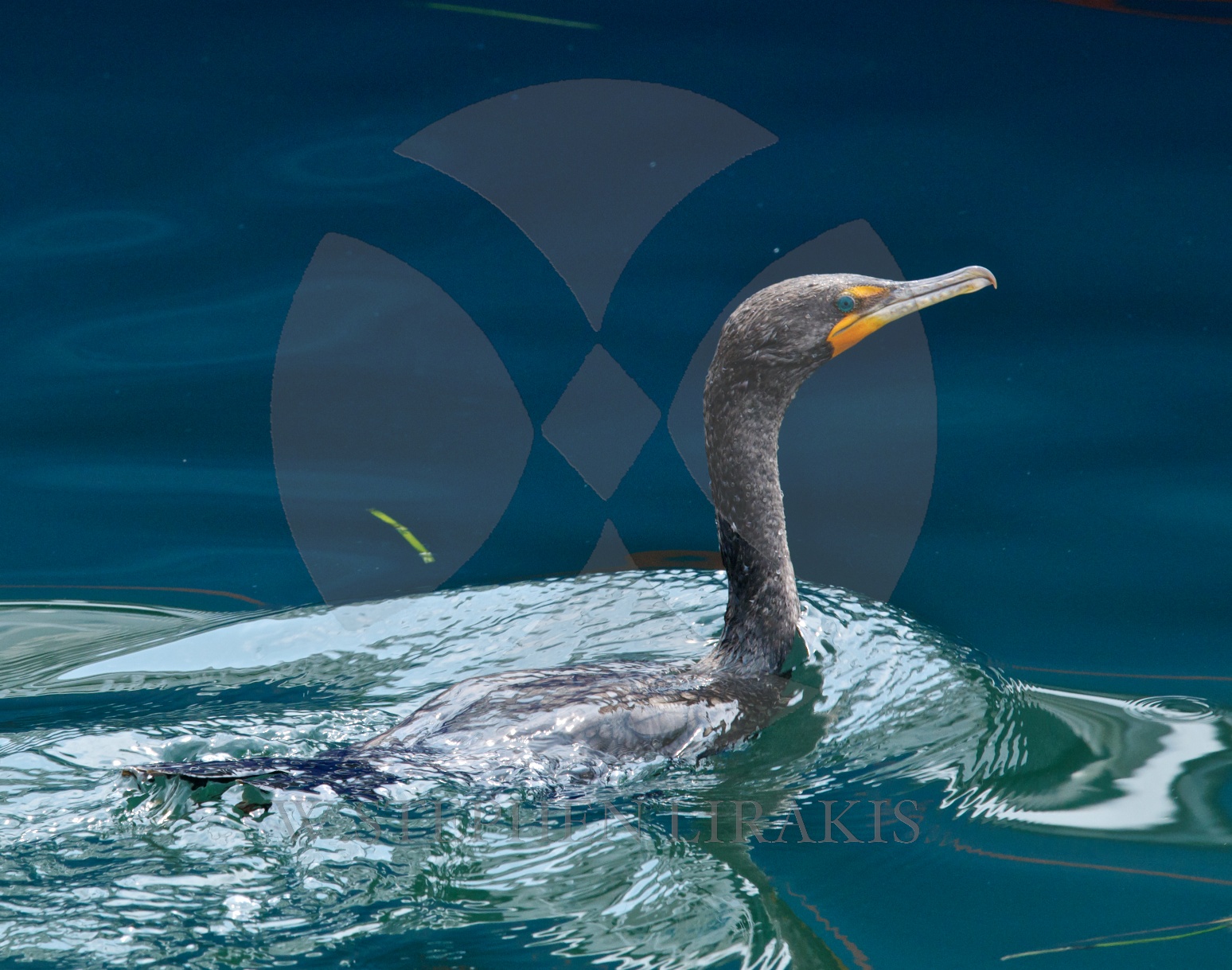
FLOATING HEAD
FLOATING HEAD
I have sailed on fresh water. 7 Chicago-Mackinac races, as well many small boat regattas for “E” Scows, Tornados, college sailing. But I am from the East Coast and have Sea water in my blood. Shocked when the spray is not salty. The sights and sounds are not at all the same.The regard for the water is just different. These photos were on a day that the locals told me was a rough day on Lake Sonoma.
While the lake was full of interesting wildlife the most surprising thing I saw was the floating head. This was a first for me.
Deprecated: trim(): Passing null to parameter #1 ($string) of type string is deprecated in /home/stephenl/public_html/wp-content/plugins/sexybookmarks/public.php on line 388
Deprecated: trim(): Passing null to parameter #1 ($string) of type string is deprecated in /home/stephenl/public_html/wp-content/plugins/sexybookmarks/public.php on line 394
Deprecated: trim(): Passing null to parameter #1 ($string) of type string is deprecated in /home/stephenl/public_html/wp-content/plugins/sexybookmarks/public.php on line 400
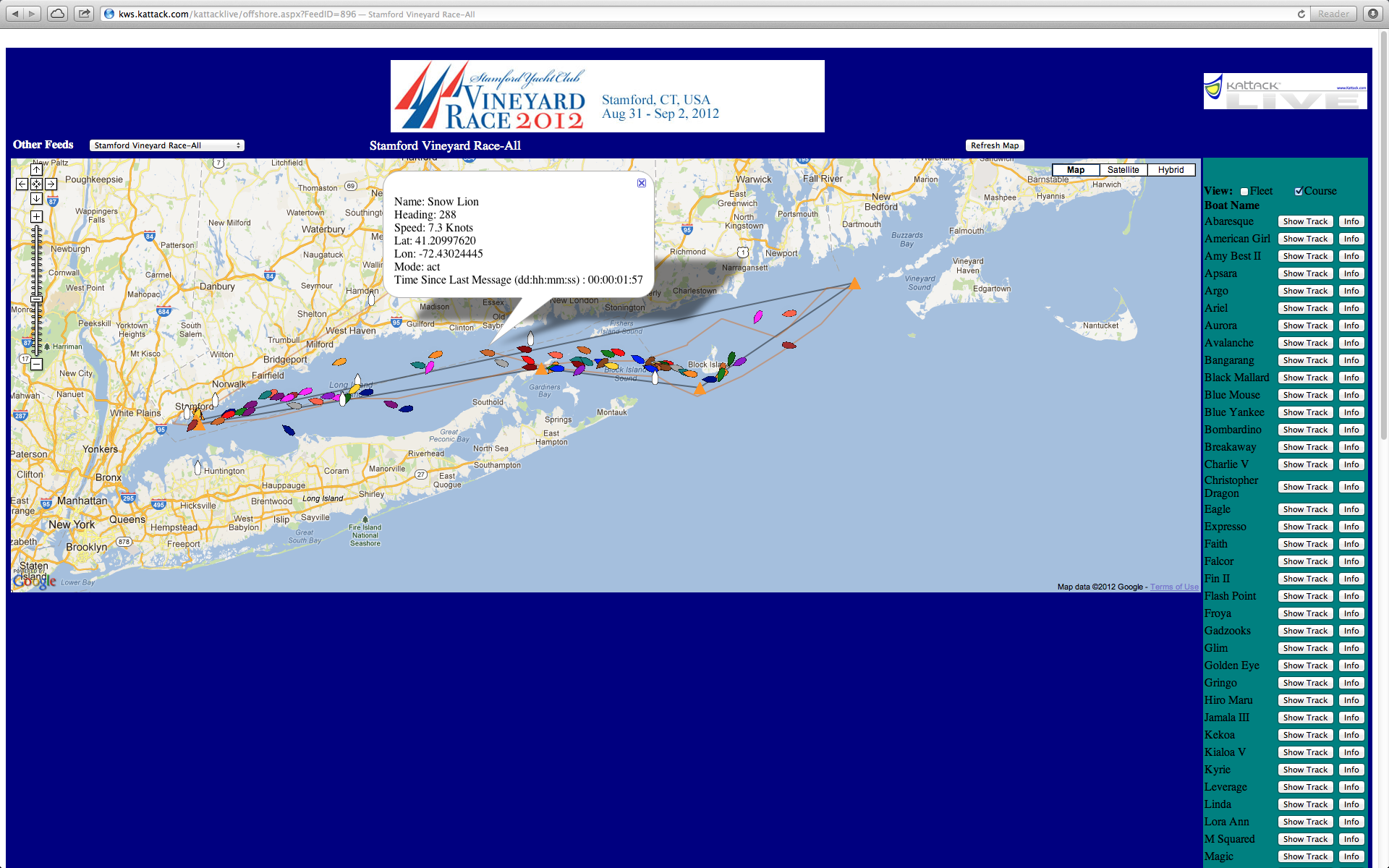
It is Labor Day Weekend and that makes it the Stamford Vineyard Race. For most of my life my calendar was measured by sailing events. Memorial Day Weekend was the Block Island Race. Despite this, I always found it curious that the holidays where most of the country spent time with their families, we were off sailing.
Rambler, George David’s 90 foot RP should be finishing soon.
Deprecated: trim(): Passing null to parameter #1 ($string) of type string is deprecated in /home/stephenl/public_html/wp-content/plugins/sexybookmarks/public.php on line 388
Deprecated: trim(): Passing null to parameter #1 ($string) of type string is deprecated in /home/stephenl/public_html/wp-content/plugins/sexybookmarks/public.php on line 394
Deprecated: trim(): Passing null to parameter #1 ($string) of type string is deprecated in /home/stephenl/public_html/wp-content/plugins/sexybookmarks/public.php on line 400
Deprecated: trim(): Passing null to parameter #1 ($string) of type string is deprecated in /home/stephenl/public_html/wp-content/plugins/sexybookmarks/public.php on line 388
Deprecated: trim(): Passing null to parameter #1 ($string) of type string is deprecated in /home/stephenl/public_html/wp-content/plugins/sexybookmarks/public.php on line 394
Deprecated: trim(): Passing null to parameter #1 ($string) of type string is deprecated in /home/stephenl/public_html/wp-content/plugins/sexybookmarks/public.php on line 400
I sailed my first Bermuda Race with Alan Gurney aboard George Moffett’s ” Guinevere”, and the 1968 transatlantic race, as well as other races. We corresponded some in the intervening years, not recently however. I am left with that feeling of one more thing I might had said or asked.
I did hear from the individual who recently purchased “Guinevere” and is in the process of restoring her. The photos he sent she looked rather sad.
EIGHT BELLS ~ ALAN P. GURNEY
By Ted Jones
Alan Gurney designed boats the old fashioned way with drafting pencil on
velum, using splines and ducks (weights), a planimeter, and a seaman’s eye.
He thought like the water through which he had sailed, in England,
transatlantic, the USA, both polar regions and much of what lay in between.
As a young lad, he would make boats out of toilet tissue (which at that
time had characteristics of waxed paper) and float them in his bath. He
spurned a career in the army to pursue a career as a yacht designer, and
ultimately moved on to an early passion, Antarctic exploration. He had
amassed an impressive collection of hundreds of photographs of every known
Antarctic penguin species.
I had the great good fortune — a privilege — to be his friend, and to
have had lunch with him frequently as he was in the process of drawing the
myriad details of what was to become “Windward Passage”, the world famous
dream boat of lumber tycoon, Robert F. Johnson. During each lunch-time
visit, I would meet Alan in his basement studio on New York’s East 54th
Street, and he would show me the most recent drawings.
Johnson had selected Gurney for the new design having been impressed by the
performance of George Moffett’s “Guinevere”, a 48 foot Jacobsen-built
aluminum yawl which had won the SORC in 1966, the second of two ocean
racers Alan had designed for Moffett. The first was a wood-built boat, the
Nantucket 38, aboard which I had the sailed in the 1964 Bermuda Race.
Later, I transferred to Humphrey Simson for whom Alan had designed a yawl
similar to “Guinevere”, the 47 foot Derecktor built “Kittiwake”, aboard
which I sailed in the 1966 SORC, Bermuda, and Transatlantic races.
“Kittiwake” did well in her class in the SORC series, overshadowed only by
Ted Turner’s legendary Cal-40, “Vamp X” which won everything in her class
that year including the Transatlantic race from Bermuda to Copenhagen.
I had met Alan Gurney in 1960 following that year’s Bermuda Race. I was a
yacht broker in the office of Tripp & Campbell in New York City when
Englishman Gurney was brought around by G. Colin Ratsey (of the English
sailmaking firm) to meet yacht designer Bill Tripp. Still only 24, Alan had
won a prestigious competition for a modern “club racer” sponsored by the
British magazine, “Yachting World” which brought him to the attention of
Chesapeake Bay yachtsman Jack Lacy for whom Alan had designed a 35 foot
sloop. While nothing came immediately of the meeting with Tripp, both
partners at Tripp & Campbell had been impressed, and when Tripp’s design
assistant resigned a short time later. The firm offered the job to Gurney
who flew back to New York to accept it. — Read on:
Deprecated: trim(): Passing null to parameter #1 ($string) of type string is deprecated in /home/stephenl/public_html/wp-content/plugins/sexybookmarks/public.php on line 388
Deprecated: trim(): Passing null to parameter #1 ($string) of type string is deprecated in /home/stephenl/public_html/wp-content/plugins/sexybookmarks/public.php on line 394
Deprecated: trim(): Passing null to parameter #1 ($string) of type string is deprecated in /home/stephenl/public_html/wp-content/plugins/sexybookmarks/public.php on line 400
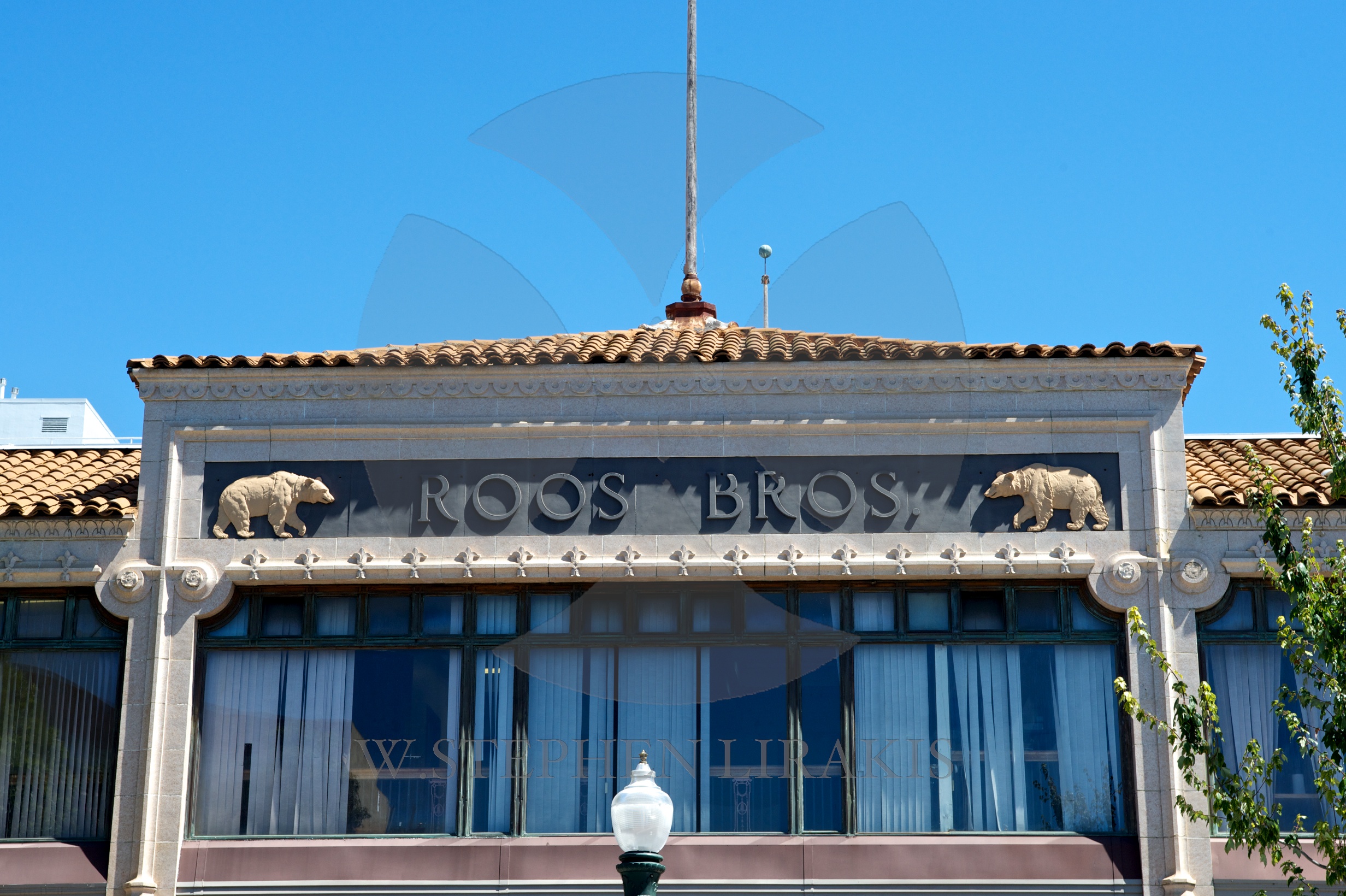
DOWNTOWN BERKELEY
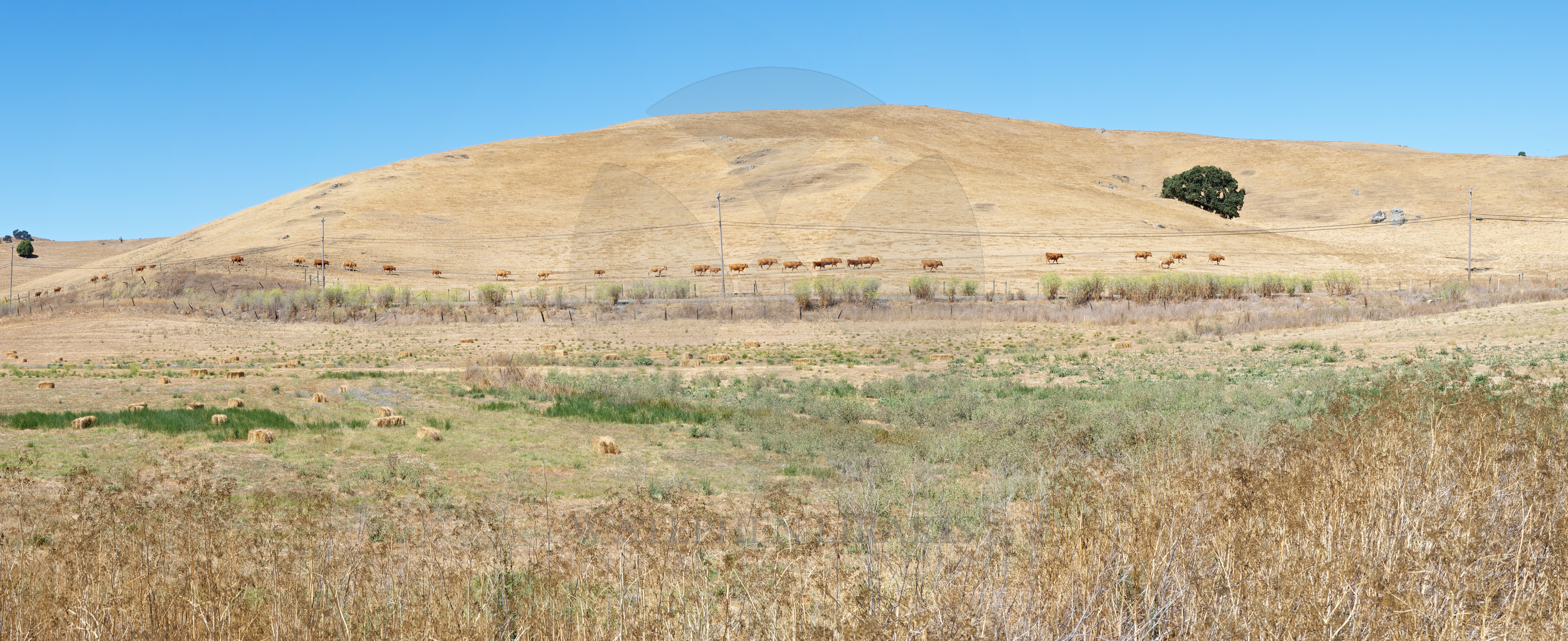
COW PARADE
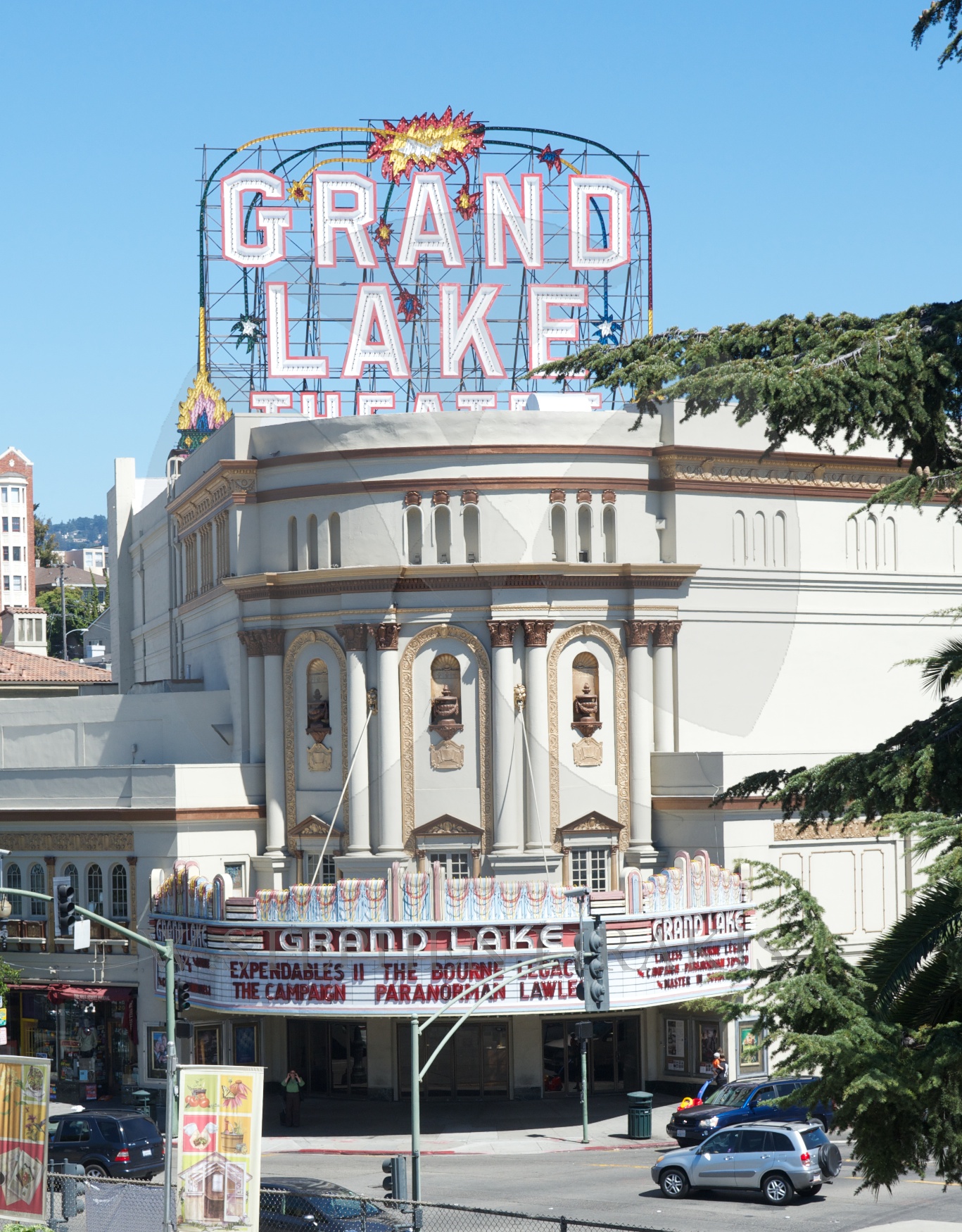
GRAND THEATRE
FOX THEATRE
DOWNTOWN OAKLAND
SUNRISE
As an Easterner, I am told constantly that California is a vapid place. It is very large but certainly not short of exciting things to see. There is not much of the 18th century unless it is Spanish or Mexican, however the examples of those styles are truly wonderful. Distances are a different scale, the opposite of the East.
I am more familiar with Los Angeles and still discovering San Francisco and the surrounding areas, but there is no shortage of discoveries.