LOOKING AT THE COMEBACK AC 34

Burns and Speer:
Secrets of the Comeback

ACEA/Guilan Grenier

ACEA/Guilan Grenier

“Platform aerodynamics, I think, made the difference between the American boat and the Kiwi boat.” Tom Speer, wing designer, Oracle Racing

By Kimball Livingston

We could have titled this, Six Extra Feet of Wing, But Do You Know How to Use It?

The way “Fresh” Burns tells the story, and he should know, having been head of performance for Oracle Team USA, there were multiple turning points in Oracle’s desperate, early losing days of the San Francisco America’s Cup. The American boat was losing on every tack, every gybe. Then the Mere Grinders came to the Mighty Chiefs and said something like, “Look, we can tell when the boards are loaded and when they’re not loaded. Why don’t we try moving them when they’re not loaded?”

Boink.

And if you’ve been around even a little while, you’ve heard someone on deck wisecrack, “You just keep grinding, and if I need any sheet, I’ll take it.”

Well, sonny, that’s pretty much how the Oracle crew was sailing USA-17—with hydraulic pressure always on tap—on those upwind legs where the comeback finally kicked in. Nonstop pumping. No-delay trimming. That was the context when Ben Ainslie yelled, “This is it! This is it! Work your arses off!”

Skiff stuff, translated. Advanced Sailing 101.

And then the dazzled Kiwi press went to spinning stories about a “Herbie,” a Boeing-built gyroscopic stabilizing contraption that made quite a good story, if you needed a story. My headline ran, “Bigfoot Sighted on Grassy Knoll.”

These days, Burns commutes between his home in the California wine country and 201 Shipyward Way, Suite B, Newport Beach, CA. That’s the street address of Morrelli & Melvin, where the next design rule is taking shape. If you’re paying attention, you already know the basics: 60-65 feet long, certain components made one-design in the hope of achieving cost savings, fewer restrictions on control surfaces to make the boats, in turn, easier to design, safer to sail, and faster per foot of LOA. Oracle Racing CEO Russell Coutts has gone public with that much, and in my too-cool-for-school fashion I assumed that 60-65 feet was merely a gloss of an already established overall length, to hold something back for the press conference at the release of the next Protocol, presumably in March. Maybe. But when I threw that at Oracle wing designer Tom Speer—returning for 2017— Spear allowed as how, “Actually, I think they’re still working on it.”

Maybe. Tom Speer is a straight shooter when he can be. I think we can take it for granted that it’s a welterish job down at M&M, trying to sort through the gamut of the possibilities for a 2017 AC generation in the wake of all the unintended consequences of the 2013 generation.

ACEA/Guilain Grenier

ACEA/Guilain Grenier

Speer spoke on Wednesday at a noontime gathering on the San Francisco cityfront, addressing wing development over the decades and, inevitably, in Q&A, the comeback. He went so far as to say, “Platform aerodynamics, I think, made the difference between the American boat and the Kiwi boat. We had that pod [below trampoline level] that effectively extended our wingspan two meters. That gave us the potential for the upwind speed that we eventually developed, and platform aerodynamics is the area in which we perhaps can make the biggest performance difference going forward.”

With that potential waiting to be exploited, and New Zealand close to clinching the win in spite of it, another key turning point in the 34th match came, gradually, as Oracle studied how to retrim to add more load to the back of the wing. “The boat had lee helm,” Speer said. “You know that kills upwind speed. It was clear that we needed to retrim, so we raked the wing aft—and no, that didn’t work. It turned out that when we powered-off the upper elements—when we added twist aloft—the center of effort shifted down and forward. There was no relief in that. So instead we opened the slot. That gave us less lift on the main element and more lift on the flap [which funnels air aft]. Over the course of the regatta we increased the traveler load by 50 percent. That eliminated lee helm, helped the boat point, and simply made us faster upwind.

“So, it was a bunch of boat-tune things that turned it around for us. Look at any one-design fleet, and the difference between the front and the back is huge. Most of that is fine tuning.”

Before we leave the subject of “slot,” we should listen to Tom Spear describe the effect of the slot from an engineer’s point of view. Here goes: “The slot allows you to go to a higher maximum lift because of the behavior of the boundary layer, which is where all your skin-friction losses occur. The boundary layer is thin, but it wants to get stuck to the wing and not move. Meanwhile, at the leading edge of the wing, the pressure is very low. Toward the trailing edge, pressure increases. There is a tendency to push the boundary layer toward lower pressure—push it forward on the wing—and that’s where you get flow separating from the surface and a big dropoff in lift. With a slot-and-flap arrangement, you are basically dumping slow air from the lead element into high-velocity air around the flap. Or, let’s say that you are taking one bottom layer and handing it off to a fresh bottom layer on the flap.”

Wings have been a fascination in this space for years, but in Spear’s figuring, “Wing development has hit a plateau. [in only one AC cycle, after decades in C-cats and A-cats!]. Given the motivation to control costs, it’s likely the next design rule will constrain the design of the wing so that teams don’t have to spend so much in that area.” Again, if you’ve been paying attention, you’ve heard the talk in high places about making all or, more likely, parts of the wing one design.

NEXT:
Control. Control. Control. Another just-in-time for Oracle, and the hydro that bit New Zealand.
 

AMERICA’S CUP UPDATE

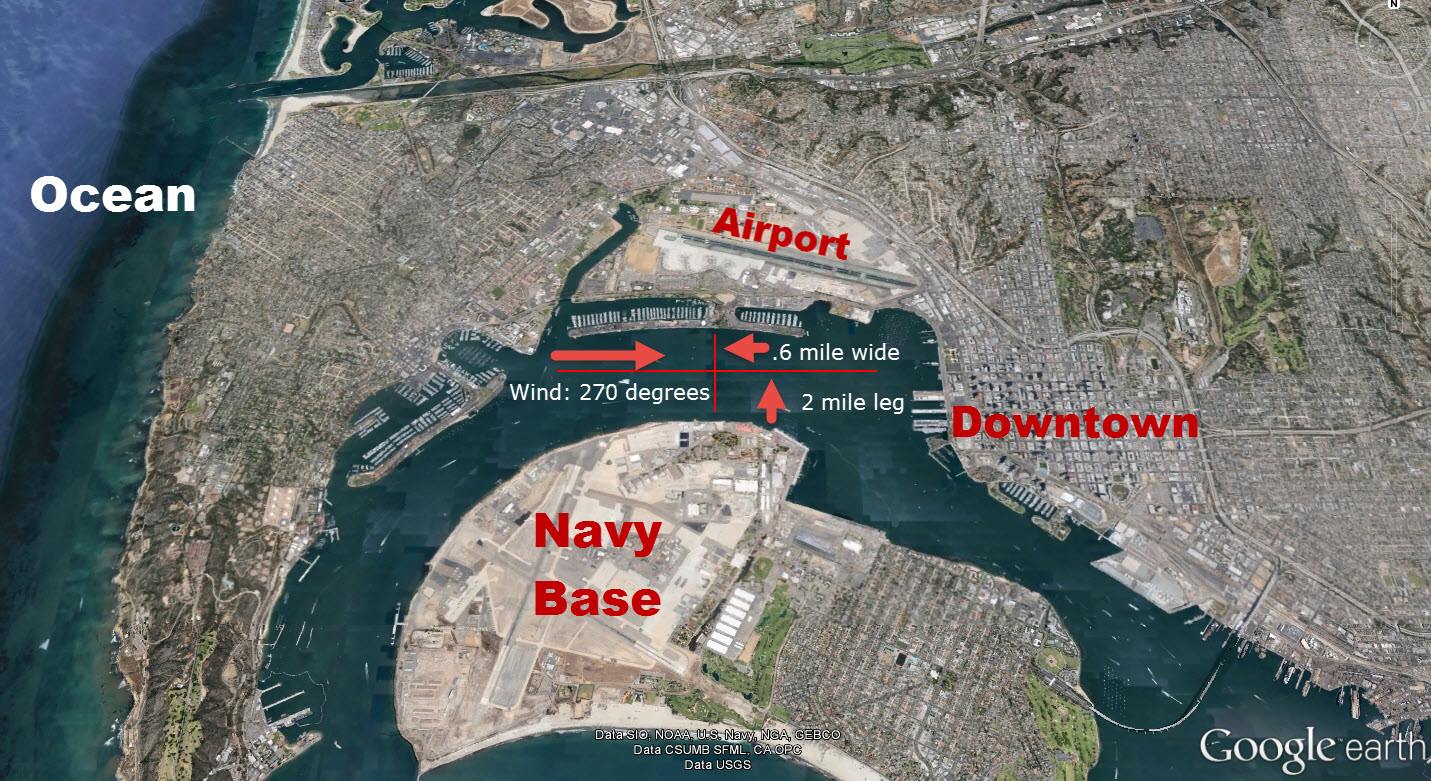
SAN DIEGO HARBOR
SAN DIEGO HARBOR

Hawaii, Newport, San Diego compete to host 2017 America’s Cup

BY RONNIE COHEN

San Francisco Thu Feb 13, 2014 7:12pm

(Reuters) – Hawaii and the coastal cities of Newport, Rhode Island, and San Diego are vying to entice billionaire Larry Ellison to let them host the America’s Cup in 2017, when the contest for the historic sailing trophy will next be held.

Ellison would by all accounts like to keep his Oracle Team USA sailing crew and the 35th America’s Cup matchup in San Francisco. Last year’s competition overcame a host of early difficulties and ended with an epic comeback win for Oracle and widespread praise for the spectacular racing venue on San Francisco Bay.

But despite strong support from San Francisco Mayor Ed Lee, initial negotiations between the city and Oracle team CEO Russell Coutts for the 2017 event have been rocky.

Local politicians who have long opposed any public subsidies for what they deride as a rich man’s yacht race have gained ammunition with a report this week showing that the 2013 regatta cost city taxpayers more than $11 million and created fewer jobs than expected.

That may create an opening for the port of San Diego and Newport, Rhode Island – both of which have hosted multiple Cup regattas in the past – as well as the state of Hawaii, where Ellison owns most of the Island of Lanai.

Coutts confirmed in an email to Reuters on Thursday that, though he is continuing to talk with San Francisco, he is evaluating alternative venues. In the meantime, he plans to release next month the rules for the 2017 event, calling for smaller, less-expensive catamarans than the 72-foot yachts that competed for the Cup last year.

The big boats provided an exciting spectacle. But sailors questioned their safety after a British sailor died in a training accident, while their prohibitive cost limited the field to just four teams and undermined the economics of the event.

It’s unclear whether other locations are being seriously considered or simply being used as negotiating leverage in the San Francisco discussions, but some prominent Cup participants say a return to San Francisco is anything but assured.

“There was a strong desire to go to San Francisco, and I don’t think there’s a lot of confidence that that’s going to happen anymore,” Iain Murray, who was race director for the 2013 contest and is now heading up an Australian Cup challenge, told Reuters this week.

Bob Nelson, chairman of San Diego’s port commission told Reuters that his city would be thrilled to see the return of an event that was held there in 1988, 1992 and 1995.

“As great as San Francisco is as a venue, if there’s no deal to be had there, San Diego is ready,” said Nelson.

“We’re wide-eyed on the fact that San Francisco has invested a great deal of money and that much of that infrastructure remains available,” said Nelson.

Brad Read, executive director of Sail Newport, told Reuters on Wednesday he is filling out a “request for information” to promote Newport as the host city for the next regatta. Read would not divulge the questions in the RFI, saying they are confidential.

Read’s public-access sailing center on Narragansett Bay would make a perfect amphitheater for the 2017 series, he said. Newport hosted the Cup races from 1930 until 1983, whenAustralia broke the United States’ long stranglehold on the 163-year-old trophy known as the Auld Mug.

“Newport is synonymous with the history of the America’s Cup,” Read said. “We have the fan base, and we have the track.”

Hawaii Governor Neil Abercrombie expressed a willingness to do whatever he could to accommodate the races and Ellison.

“The governor thinks it’s a tremendous opportunity, and he’s certainly doing his best to be sure that Hawaii’s favorably considered,” press secretary Justin Fujioka told Reuters.

Negotiations between San Francisco and Ellison’s team were also contentious last time around. Cup officials flew off to Newport at the 11th hour before finally reaching a deal with San Francisco.

Murray said San Francisco remains everyone’s favorite.

“I think every sailor loves sailing in San Francisco. If you did a worldwide poll of sailors, racing on the bay in San Francisco would be right up there,” he said. He praised the San Francisco Bay’s ideal geography, its predictable, strong winds and its scenic backdrop framed by the Golden Gate Bridge.

“All the stars lined up when San Francisco got created for sailors,” he said.

The mayor’s office did not return calls or emails. Lee told Coutts in a December letter that lessons learned from the 34th America’s Cup would guide his approach to the next event.

“I am committed to negotiating an agreement for the 35th America’s Cup in San Francisco … that maximizes the economic, cultural and other benefits for the City and eliminates unnecessary risks and uncertainty,” he wrote.


FOILING IS HERE TO STAY

Foiling is here to stay. We can never unsee the excitement it evokes.The America’s Cup exposed the world to foiling and anything less will never again be acceptable to the public. This event will be remembered as the defining moment of change in sailing as a sport.
I have predicted before and will state again the 2020 Olympic games will feature at least one foiling class if not two.

EARTH WIND

The Earth Wind Map is an amazing project to visualize global weather conditions carried out by Tokyo based software engineer Cameron Beccario, resulting in a beautifully mesmerising depiction of the earth’s winds. Weather data is produced by the Global Forecast System (GFS), operated by the US National Weather Service. Forecasts are produced four times daily and are up-to-date, providing an astonishing picture of our planet and its winds.

See the storms that have ravaged England and the Northeast.

OLYMPIC SKIING

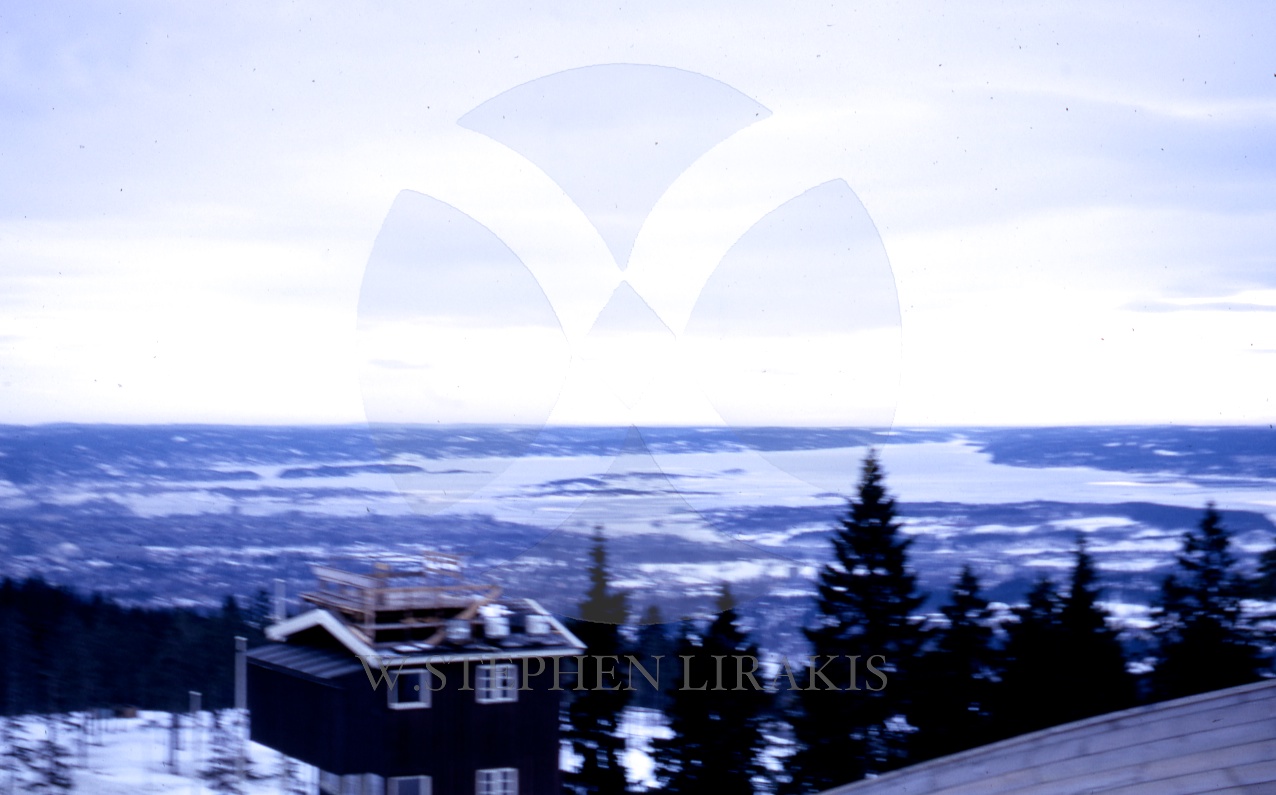
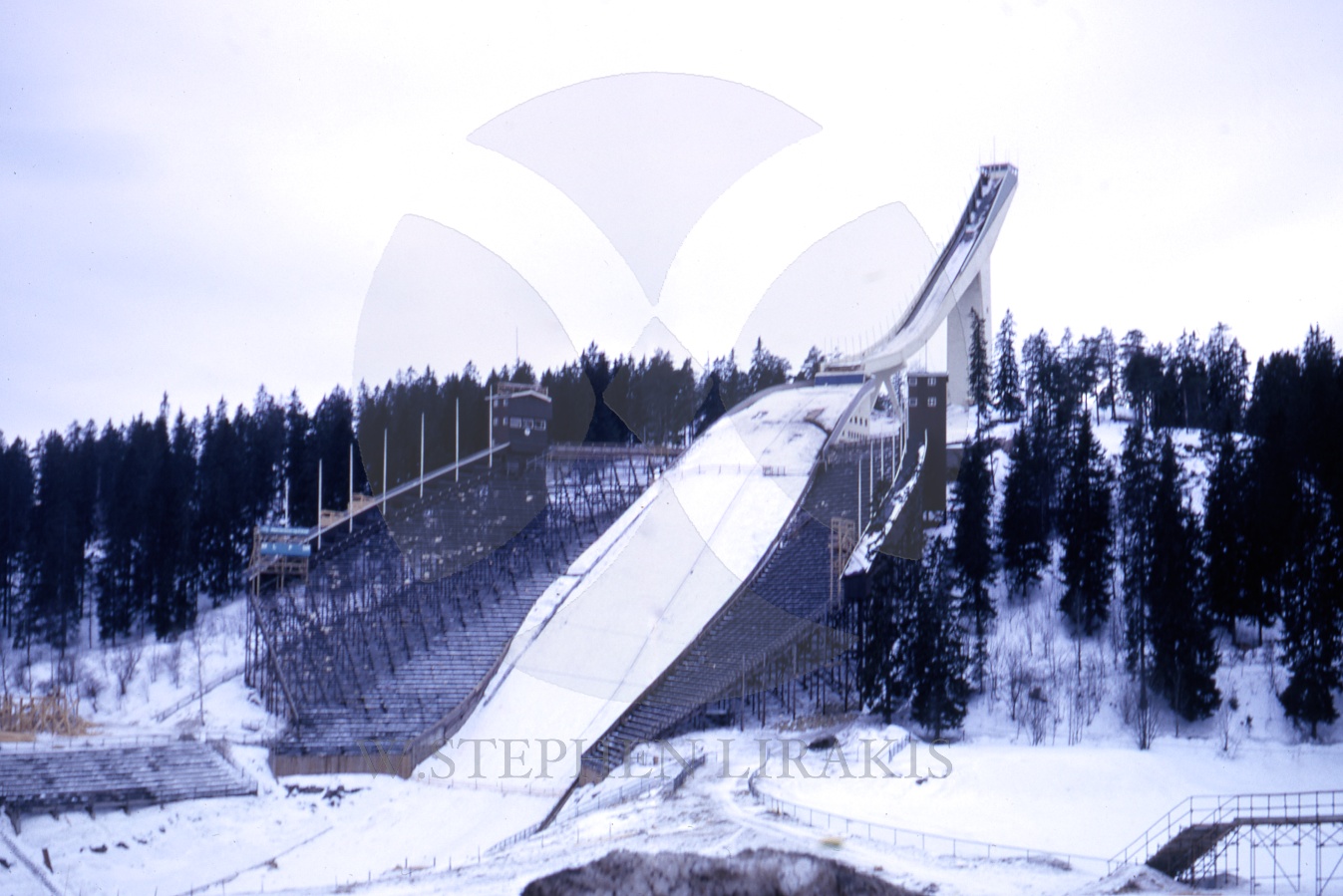
HOLMENKOLLEN
HOLMENKOLLEN
VIEW FROM THE TOP
VIEW FROM THE TOP
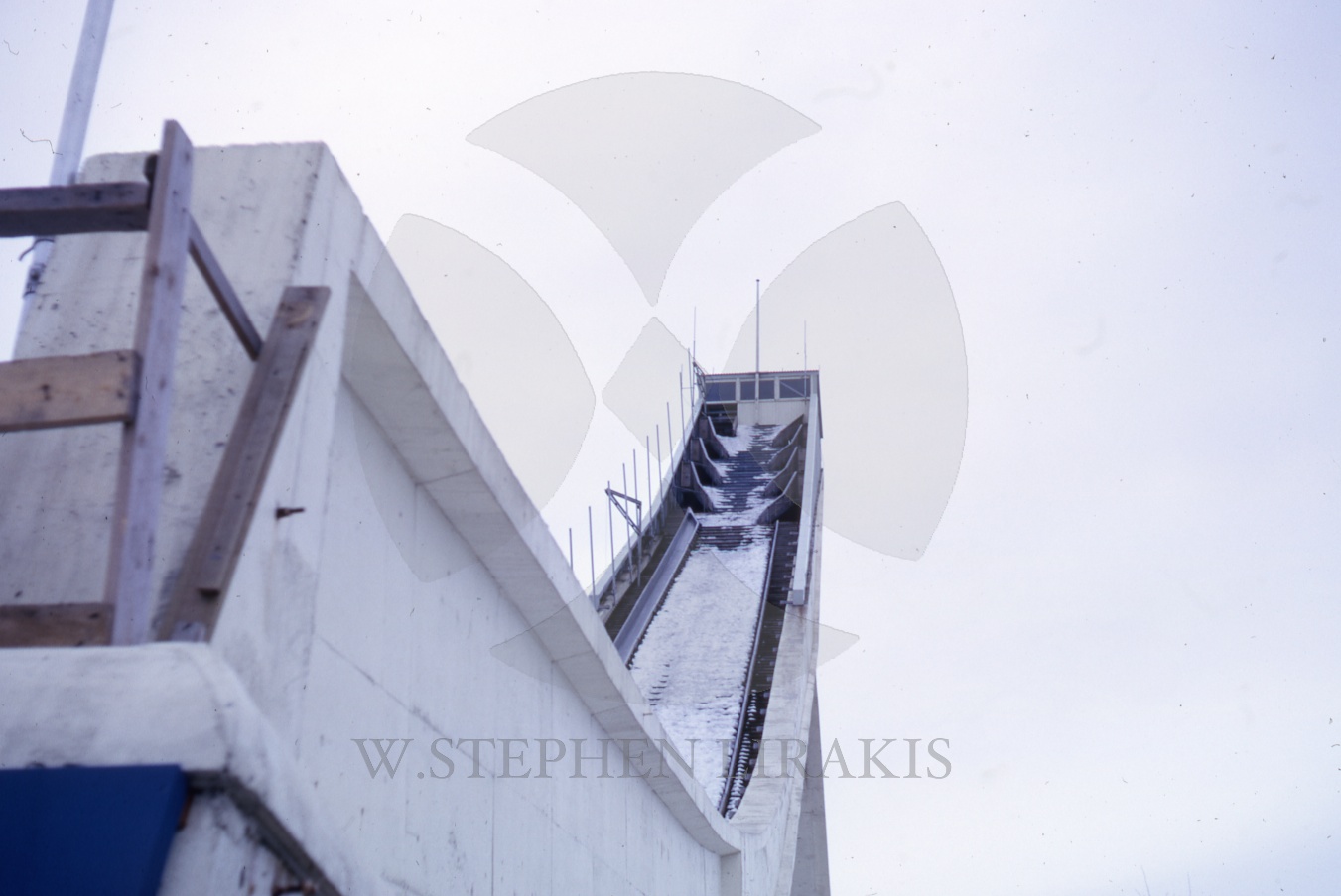
LOOKING UP THE JUMP
LOOKING UP THE JUMP

My favorite television, the Olympics. A winner take all game. The Holmenkollen is one of the oldest and once upon a time the biggest jump anywhere. Today it is just another jump in terms of size but to win there is still a grand reward.

Tomorrow morning  the US hockey team plays Russia, and the alumni hockey game at St. George’s School will be played.

FEBRUARY WEATHER WORLDWIDE


La Tempête et les grandes marées à Saint-Malo… by manux03

We here in the Northeast have had below freezing temperatures since before Christmas. It has snowed almost once a week. Bt we have not had to experience the weather Western England, Wales, and Brittany.
Northern California which has been facing the worst drought in years was hit by the Pineapple Express which brought 10″ of rain to Santa Rosa, and 2-4 feet of snow to Lake Tahoe.

ICE DREAMS, SOCHI OLYMPICS

Tonight is the first night of the Olympics; my favorite television viewing. I am excited to see the competition, who will peak at the right moment. Young, like so many people I dreamed of  Olympic competition. I never did for a variety of reasons, even after qualifying more than once.

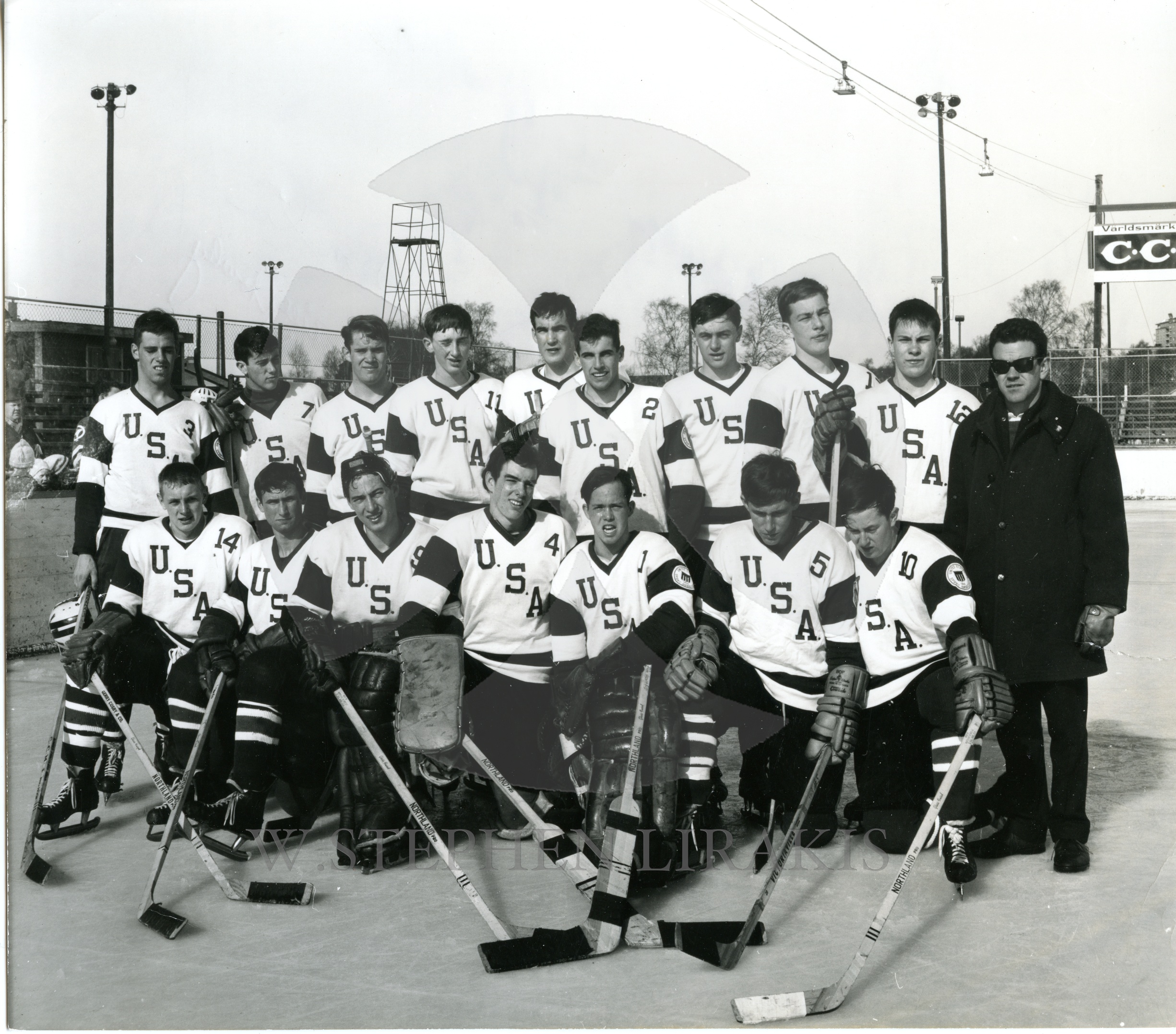
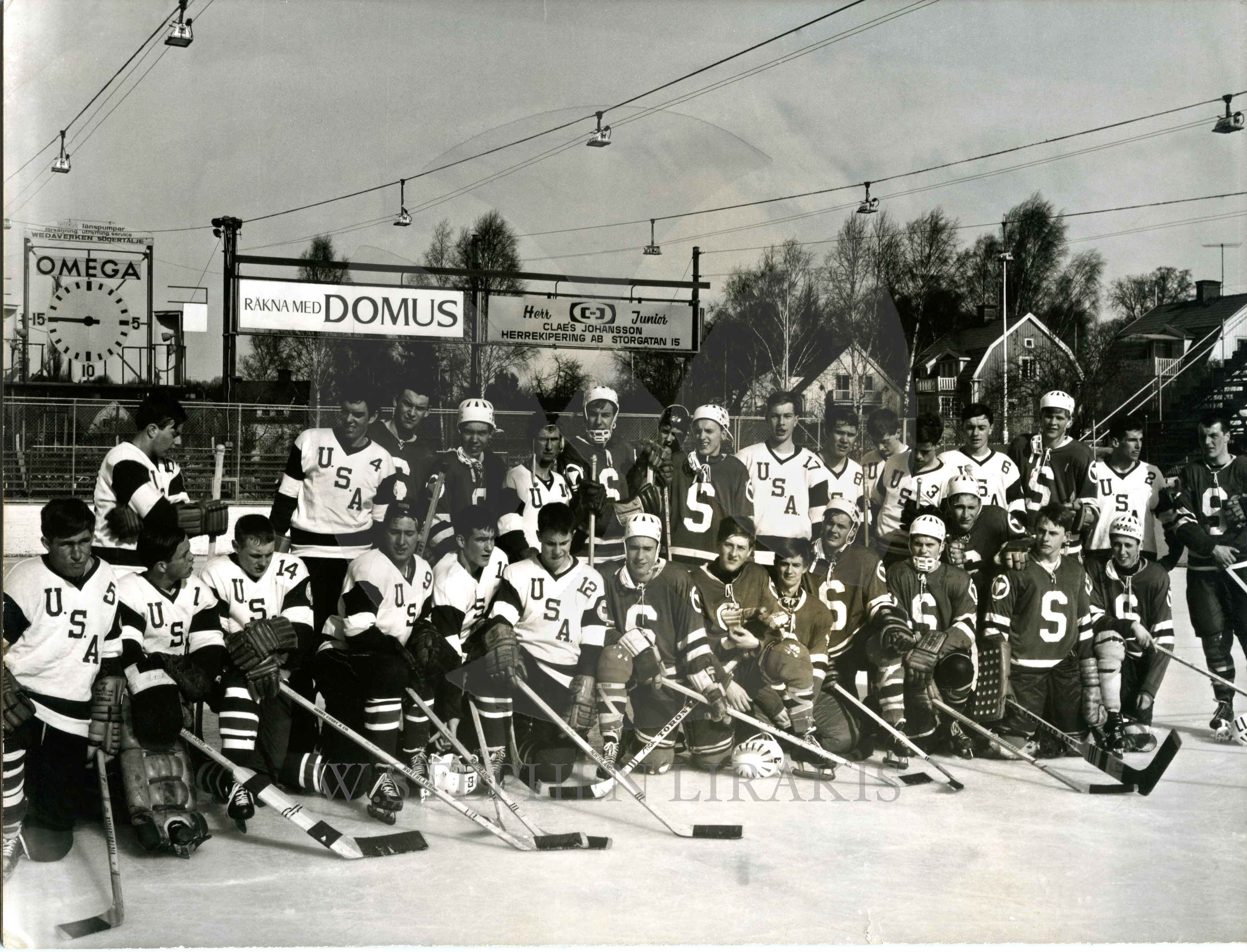
THE UNITED STATES ALL STARS 1966
IN SWEDEN
IN SWEDEN
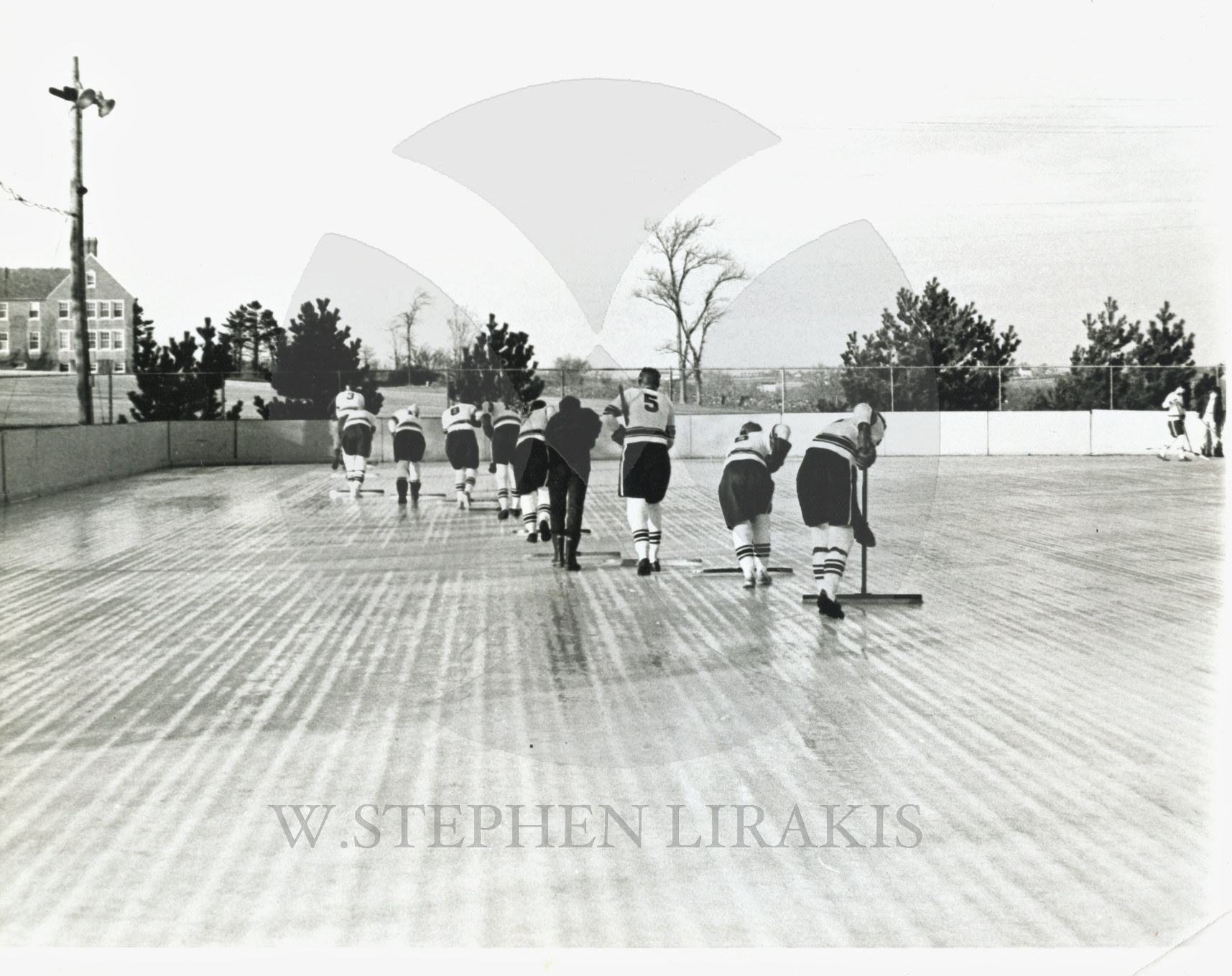
MAKING ICE AT ST. GEORGE'S
MAKING ICE AT ST. GEORGE’S
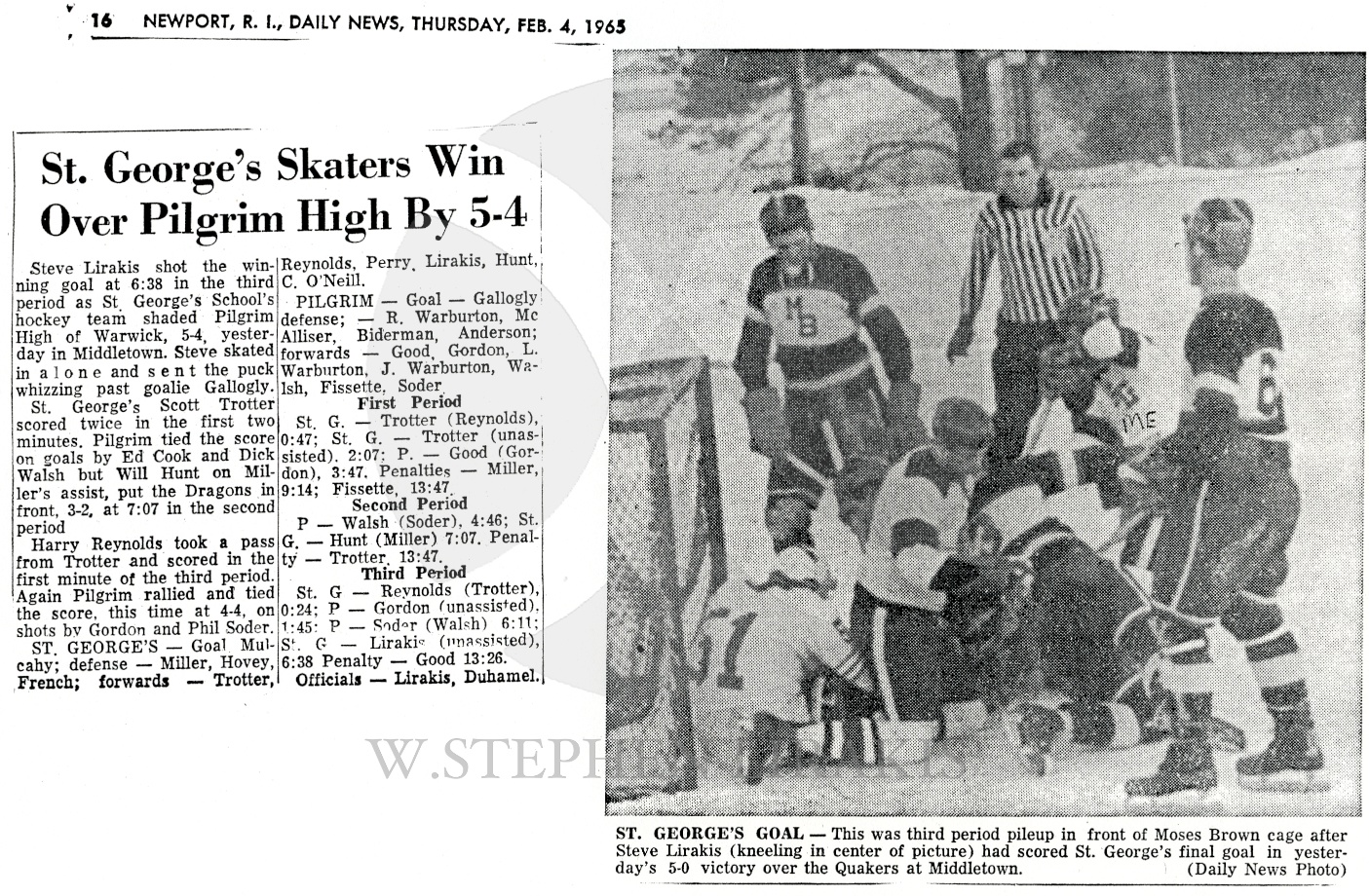
WINNING GOAL
WINNING GOAL
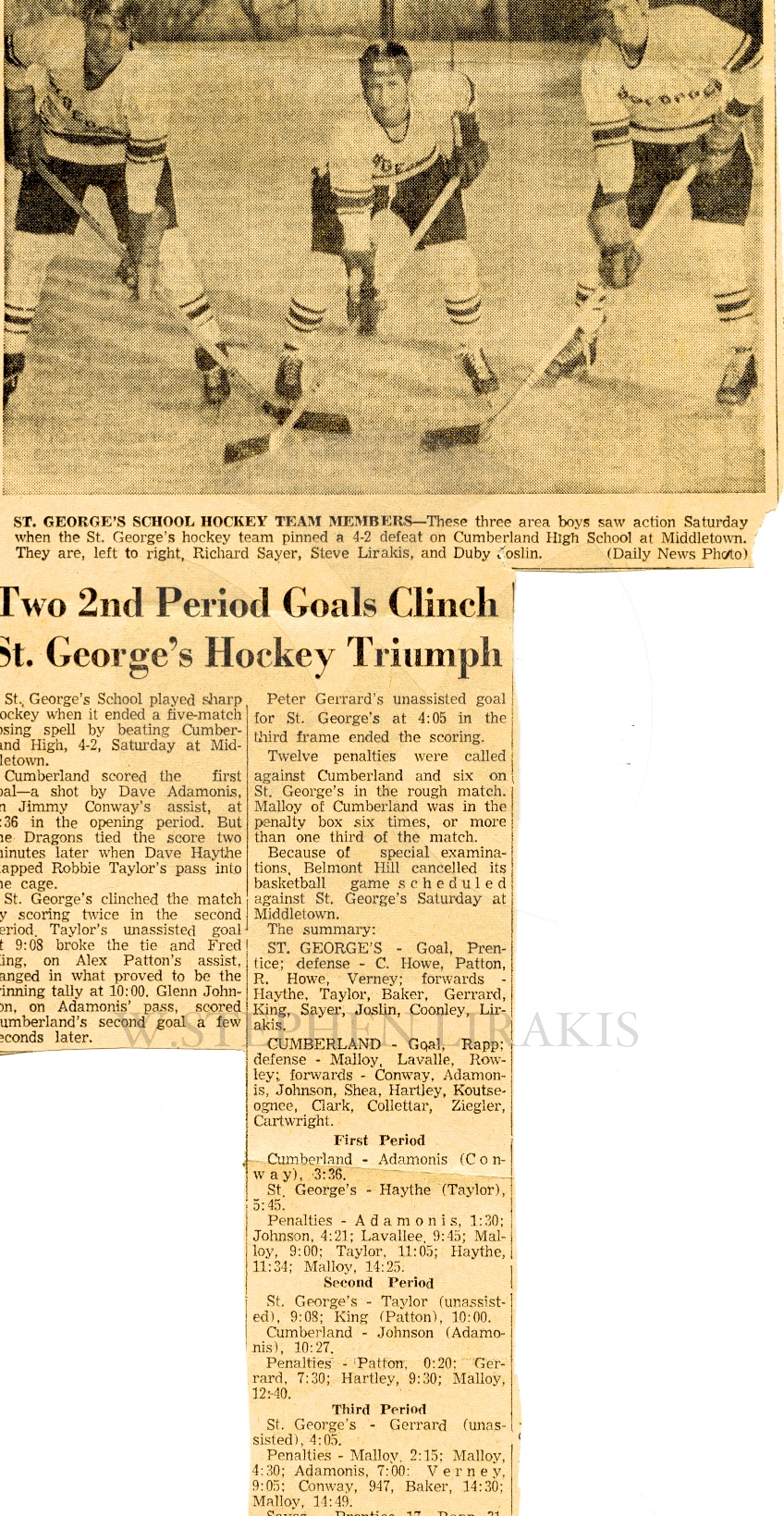
RICHIE SAYER, STEPHEN LIRAKIS, DUBY JOSLIN

Looking at these images reminds me of how crude the gear was. St. George’s had one of the only artificial rinks south of Boston. Outdoors and subject to the whims of Nature. We would return from Thanksgiving vacation and start to make ice; usually spraying at night and we would take shifts working through the night over several days to try to build a base. Our 14 game schedule seemed imposing then. Today schedules are much longer and packed with games.