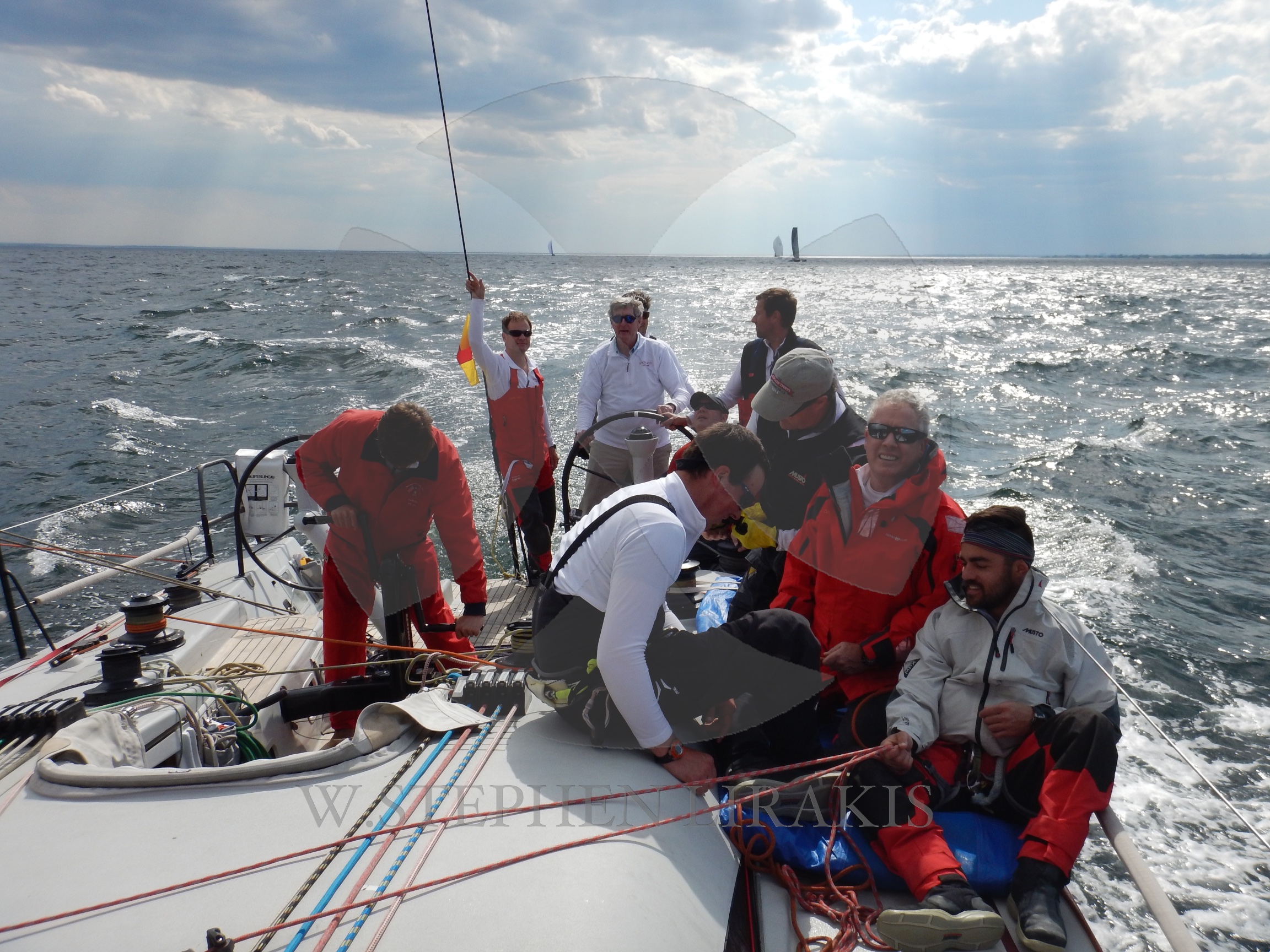
The next event is the NYYC spring regatta. The start of the Transatlantic race will be upon us soon enough.
Here are the memories of the 2005 version.
Author: ws lirakis
a sailor who carries a camera
ANOTHER MAN’S OPINION
Counterpoint
Time and distance tend to impart a rosy glow, so before you guys turn the recently departed Alan Bond into some kind of sailing saint, please pause to learn some of the more pertinent realities of the man who headed Australia’s successful challenge for the America’s Cup in 1983. Here goes:
Bond was not Australian born. He emigrated here from the UK aged 11. He had a criminal record as a 14-year-old in Perth for petty theft, and fell foul of the law again at 18 for attempted burglary. Throughout his life he lied about his school record and achievements. From his early 20s he had set a pattern of not paying his business debts and borrowing beyond his capacity to pay.
Bond is still the biggest corporate criminal in Australian history. When his empire collapsed in 1991 he left the banks, financiers and shareholders around $6 billion out of pocket. He ruined thousands of lives through deliberate bankruptcies that left his mum & dad shareholders with nothing.
Bond was convicted three times for different frauds. In 1997 he was sentenced to seven years in prison for siphoning off $1.2 billion in shareholder funds for his own use. In an attempt to avoid a jail term Bond feigned mental illness. His daughter died of a suspected drug overdose and his second wife committed suicide.
As for his contribution to sailing, his America’s Cup campaigns were principally exercises in self promotion and largely financed by borrowed money. Bond was a notoriously hopeless yachtsman himself, and did little to encourage or support sailing in Australia beyond the very narrow and exclusive circle of the 12 metre scene.
THE MAN WHO CHANGED HISTORY
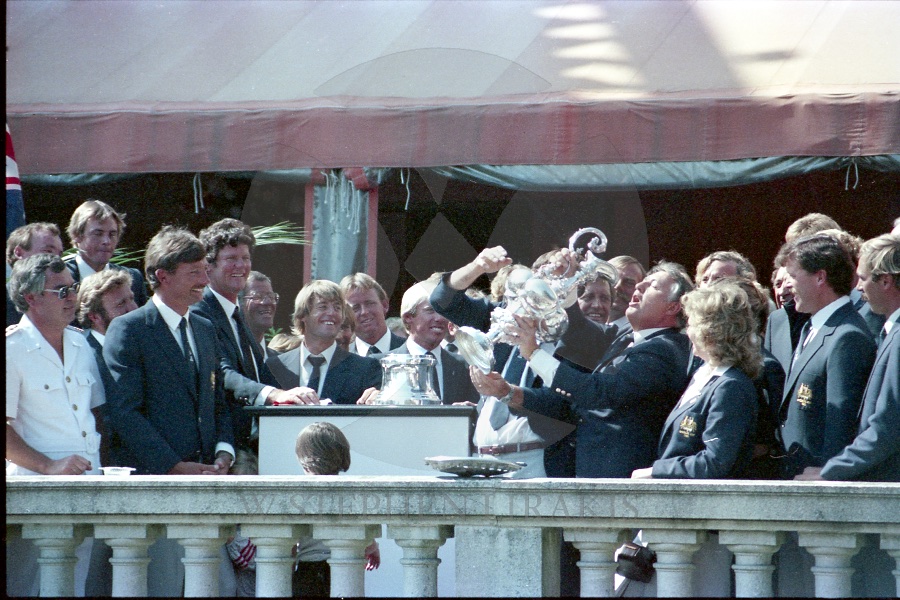

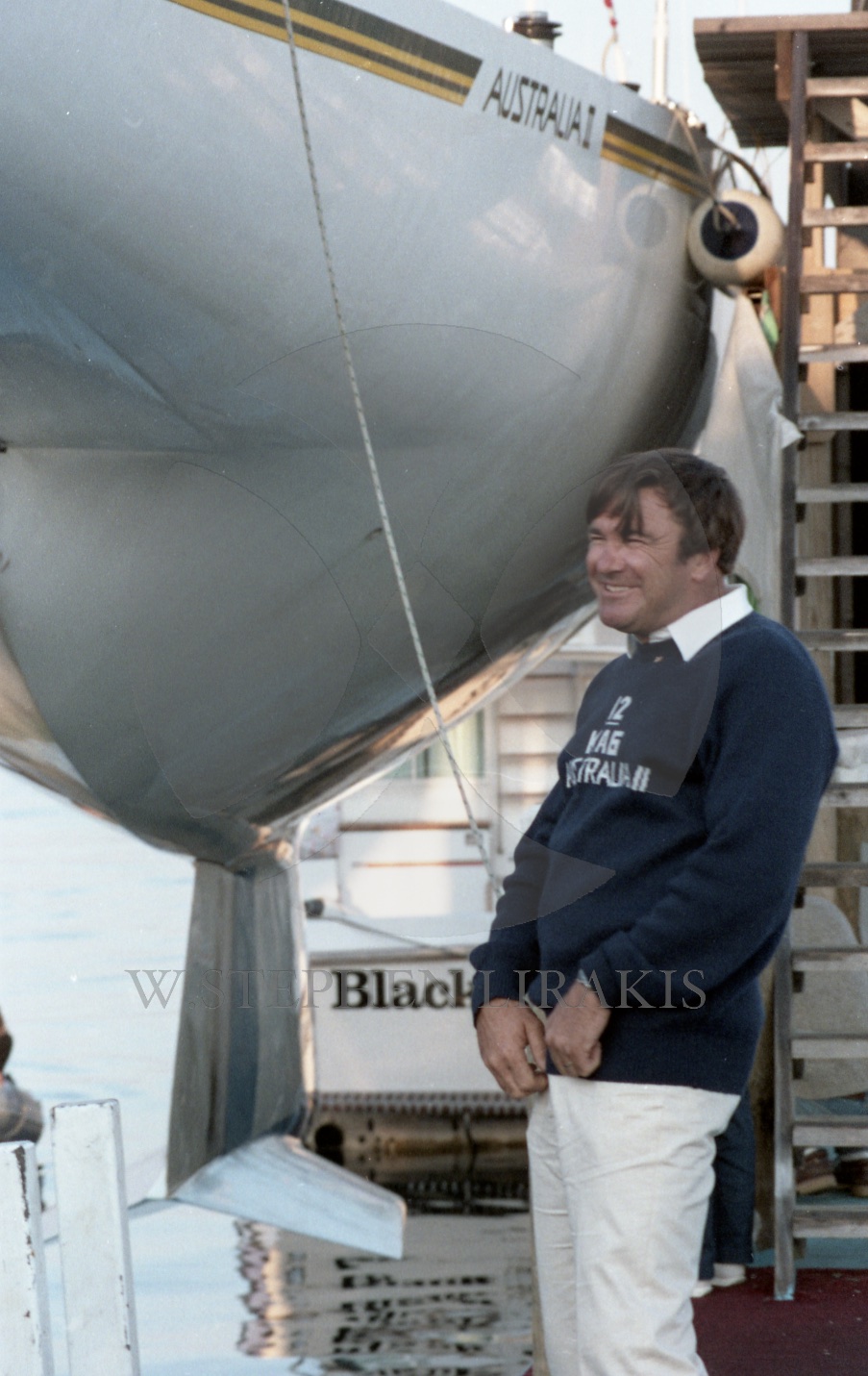
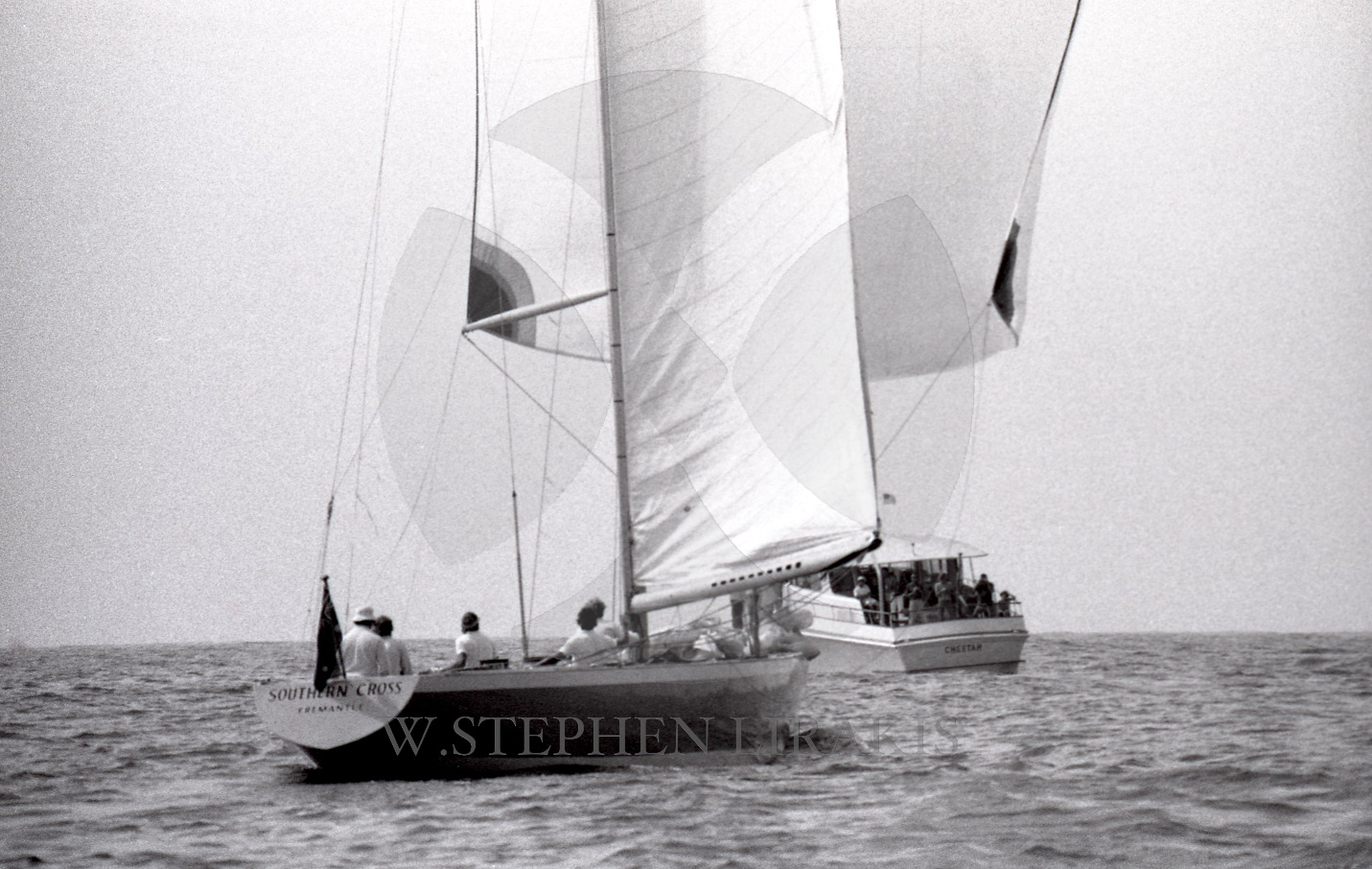
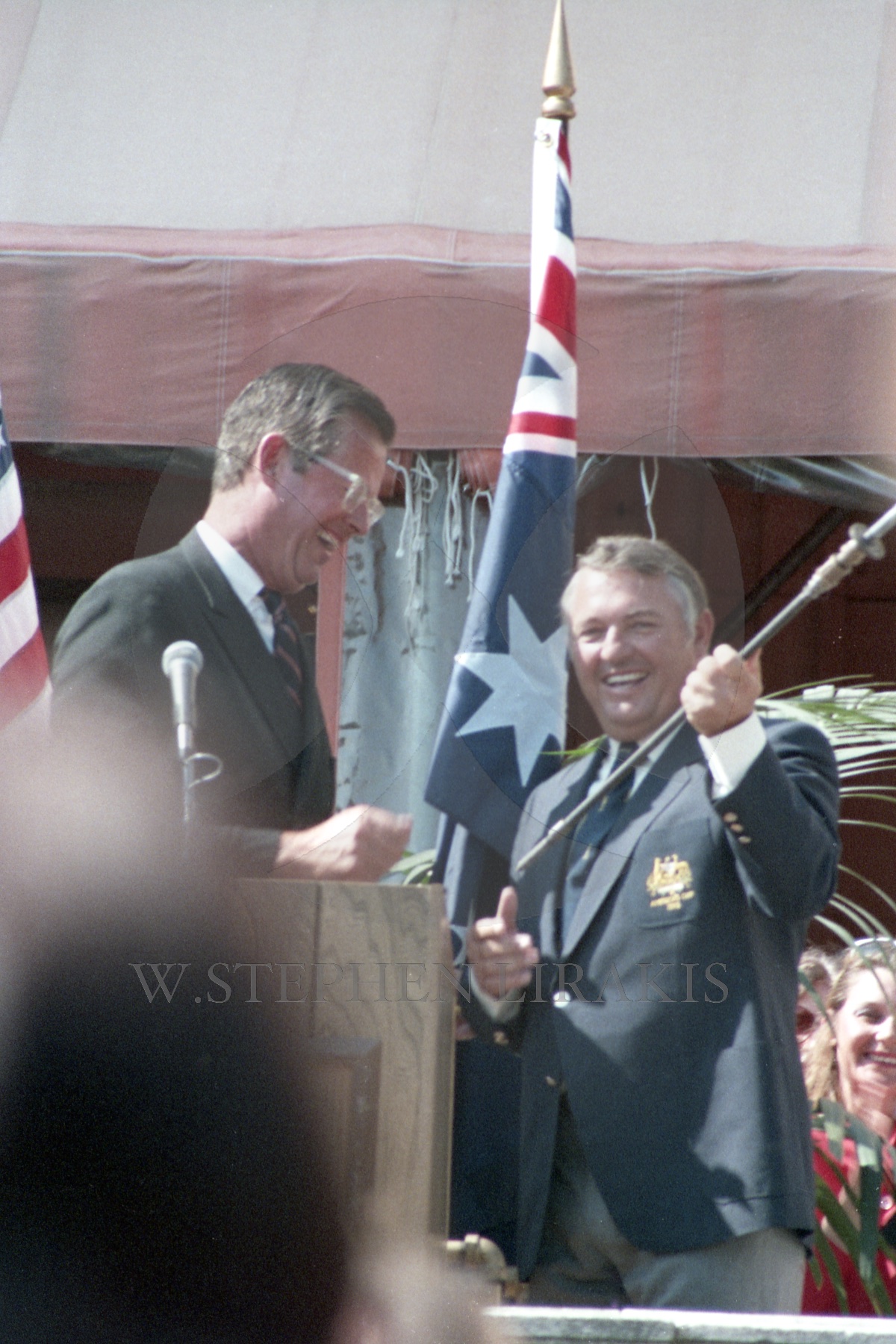
Alan Bond, the controversial business tycoon who backed Australia’s ultimately successful bid for the America’s Cup yacht race, has died aged 77. He was just 12 years old when he stepped ashore in Australia for the first time. His parents, Frank and Kathleen, like many thousands of Britons in the aftermath of the second world war, had taken the momentous decision to emigrate from the grey austerity of northern Europe to the sun-kissed southern hemisphere.
Young Alan, born in Hammersmith, west London, was plucked from Perivale school in Ealing and on arrival in Australia attended Fremantle boys’ school near Perth. He took a job as a signwriter on leaving school, but quickly realised that his future lay in business. Such was his talent and determination that before he reached his 40s, his name was known throughout Australia and beyond. In 1978 he was named Australian of the year.
His fortune was derived initially from property development, an activity which he started soon after leaving school. In 1959 he set up Bond Corporation, one of the first true “conglomerates” (corporate entities which own other, quite disparate, businesses), a form of entrepreneurship that came to dominate the stock markets internationally during the 1970s and continues to this day.
Outside the business world, however, Bond achieved fame and honour for his dedicated pursuit of the America’s Cup, the world’s most prestigious yacht racing trophy. He financed the first America’s Cup challenge in 1974, but it took a further three attempts before, in 1983, the 12-metre yacht Australia II brought the Auld Mug to the Royal Perth Yacht Club. It was the first time the trophy had been wrested from the New York Yacht Club since the competition was set up in 1851. Bond had bankrolled all four attempts, and his status as a national hero was confirmed.
Bond was big of build and charismatic of nature, and his status and personality undoubtedly contributed to an extraordinary run of successes in business. His Bond Corporation expanded from property into brewing, oil and gas, television, mineral exploitation and even airships. His personal fortune mounted up until he could be counted as one of the richest men in Australia, worth billions of dollars.
“Bondy”, as he was universally known, and his first wife, Eileen (nee Hughes), were seldom out of the society columns. He moved between Australia and London, where his business interests were also developing. Four years after the America’s Cup triumph, Bond paid US$53.9m for Van Gogh’s Irises, at the time the largest sum ever paid for a single painting.
Earlier in 1987, Bond purchased the Australian television network Channel Nine from Kerry Packer, a fellow Australian tycoon, for A$1.2bn, a deal that was to be the high-water mark of Bond’s success. In October that year, stock markets around the world crashed, an event that proved catastrophic for Bond and many other entrepreneurs.
As he struggled to keep his empire afloat, his personal life also suffered. In 1990, his marriage of 35 years was dissolved. Under pressure from the banks, that year he stepped down as chairman of Bond Corporation, which was collapsing under a mountain of debt. He began to believe that those who once feted him had been working to bring him down.
A year later, Bond Corporation finally went under, with Bond’s personal and corporate businesses inextricably entwined. He always insisted, however, that there was “no dishonesty” in the group or in the interlocking finances.
In 1992, he was declared personally bankrupt over a loan guarantee. He was accused of secreting away money and real assets such as diamonds and art treasures in overseas locations, places where neither the authorities nor his creditors could touch them. He claimed to have personally lost A$900m.
Nevertheless, he was jailed for dishonesty in relation to an Australian merchant bank, Rothwells, that had collapsed. He spent three months in prison but was later released and acquitted. Meanwhile, despite having other charges hanging over him, which led to two more convictions and prison sentences in 1995 and 1997, Bond was already beginning to lay down the foundations of a second life and a second career. He spent a total of four years in jail.
In 1995, he was released from bankruptcy. He married for the second time, and once again Bond and his new wife, Diana Bliss, began to appear in society. She was a former Qantas flight attendant whom Bond had met when she was working in public relations. Banned from holding directorships in Australia, Bond moved his centre of business overseas. He acquired interests in diamonds and oil, mostly in Africa. He lived in London but based his business interests elsewhere.
While his wealth steadily accumulated, much to the chagrin of investors who had lost money in the earlier Bond ventures, his personal life was more difficult. One of his daughters, Susanne, an equestrian show jumper, died in 2000 from a suspected accidental overdose of prescription medicine. Diana, who had carved a successful career as a theatre director, took her own life in 2012.
Bond was knocked back by these tragedies but found solace in Farm Street, the Jesuit church in Mayfair, London. His own health, however, was deteriorating. He had undergone open heart surgery in the 1990s, and in the week of his death returned to Perth for further surgery. His first wife, Eileen, travelled to Australia to be by his side.
He is survived by her, and by his sons, John and Craig, and daughter Jody.
• Alan Bond, businessman, born 22 April 1938; died 5 June 2015
• This article was amended on 5 June. A reference to Alan Bond’s second wife, Diana, being given the nickname “Big Red” by gossip columnists was deleted: it was his first wife, Eileen, whom they had given the nickname to.
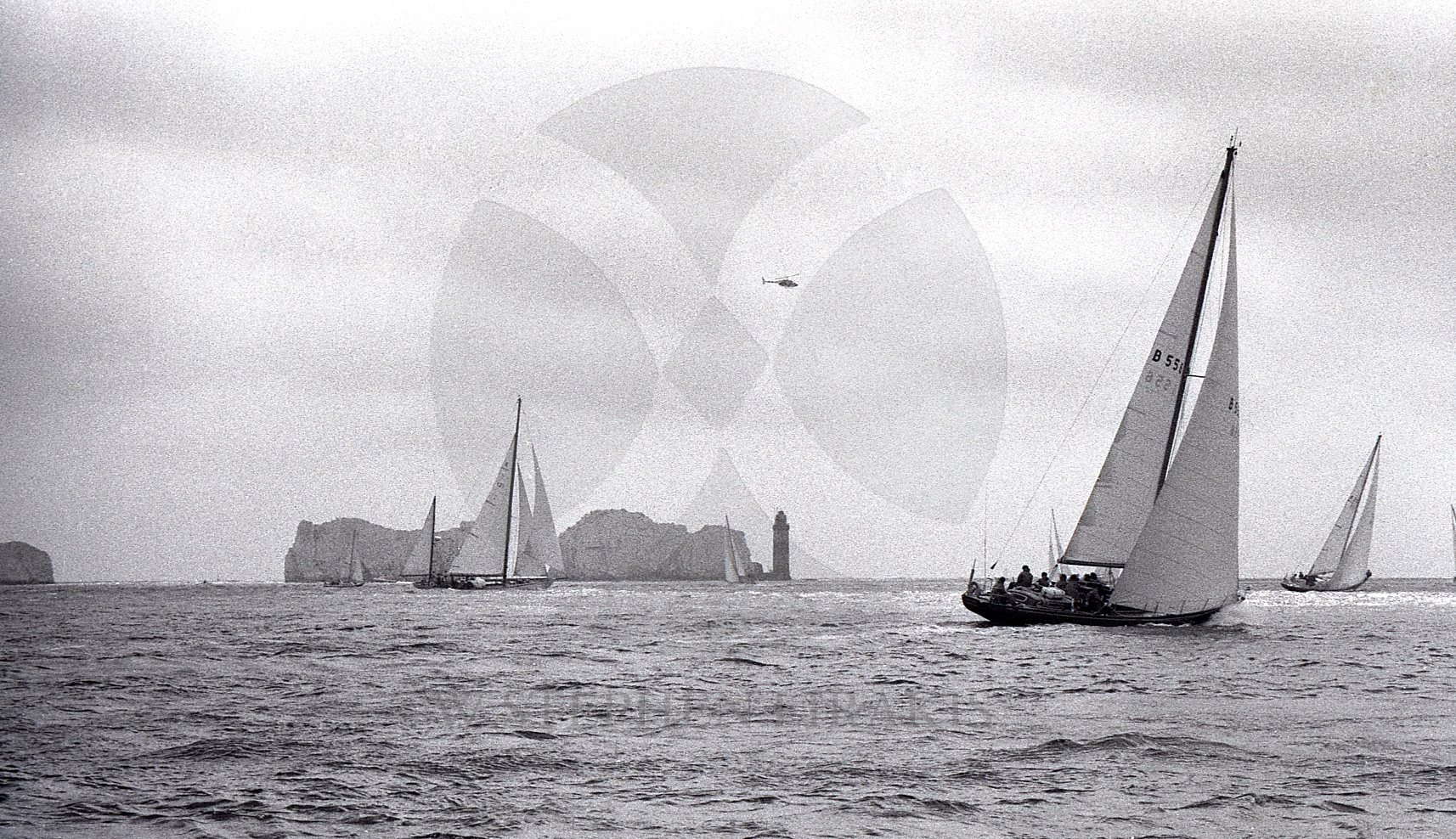
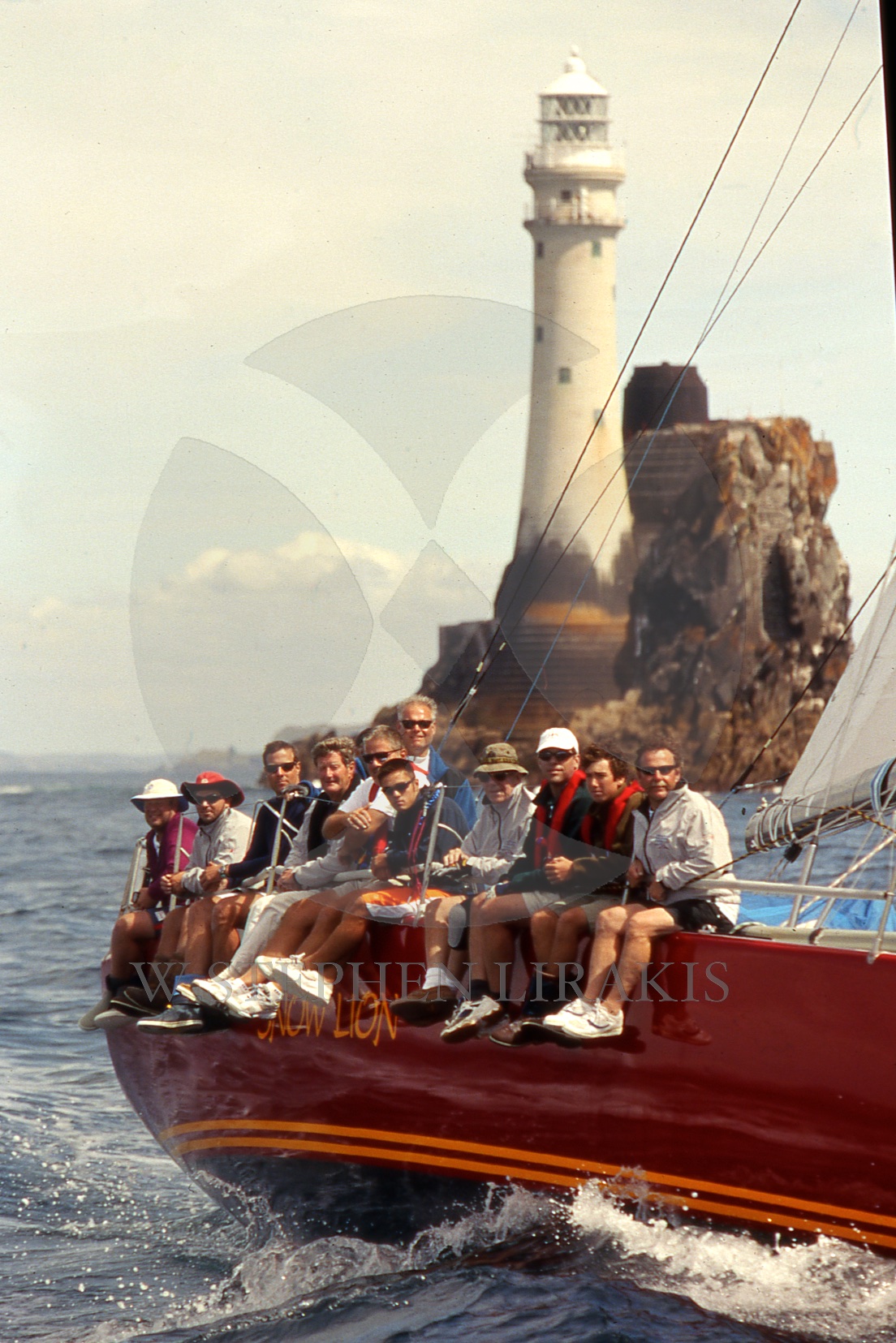
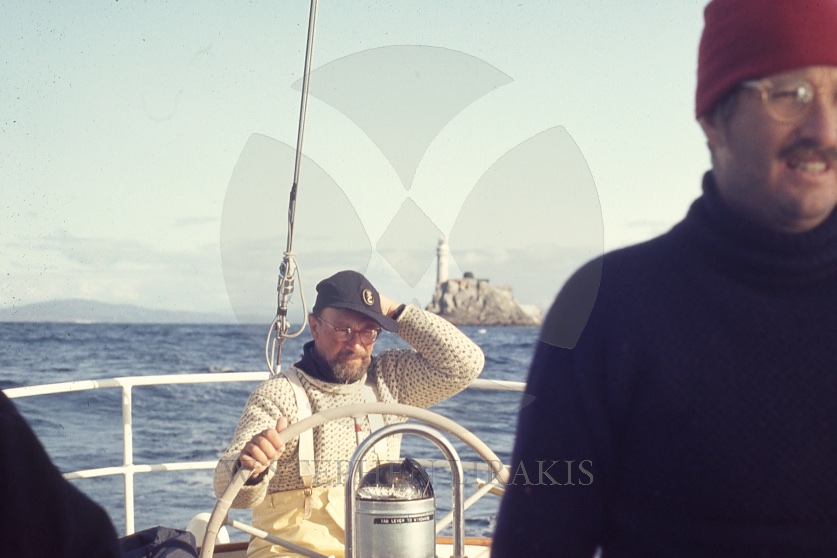
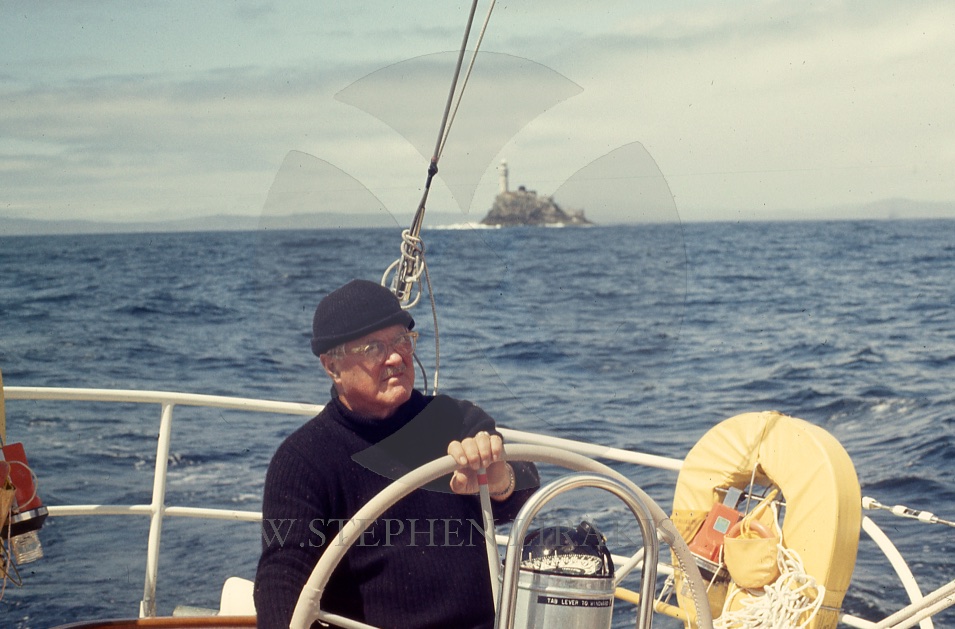
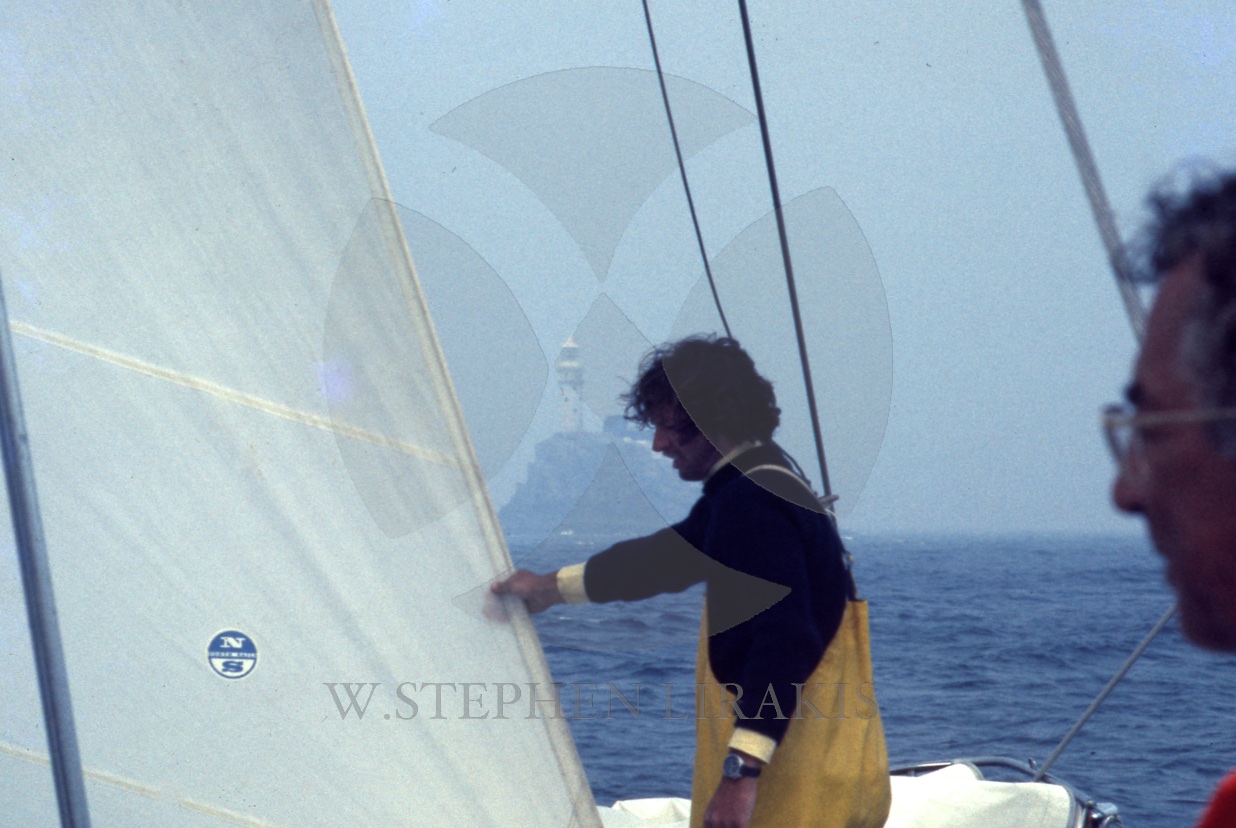
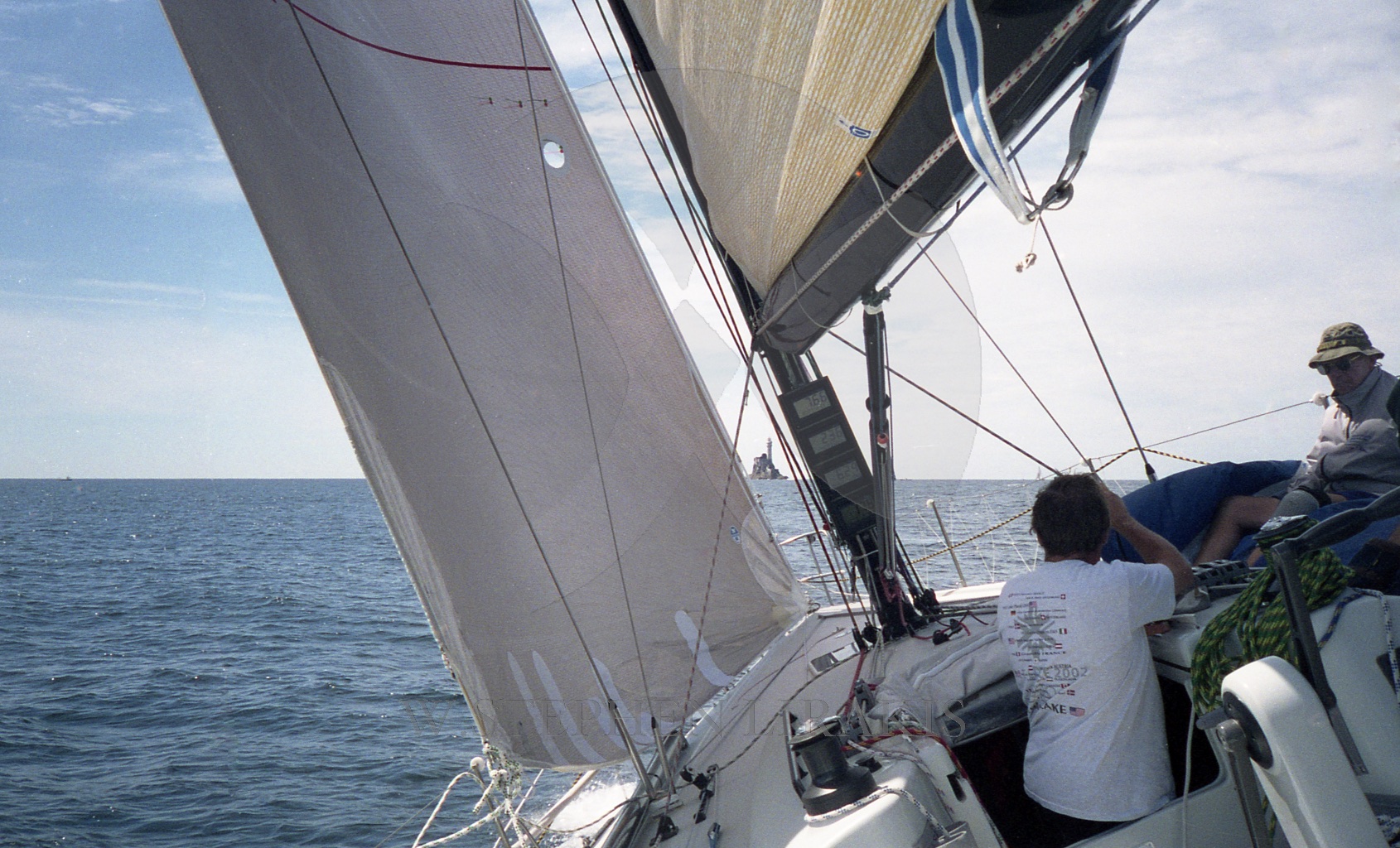
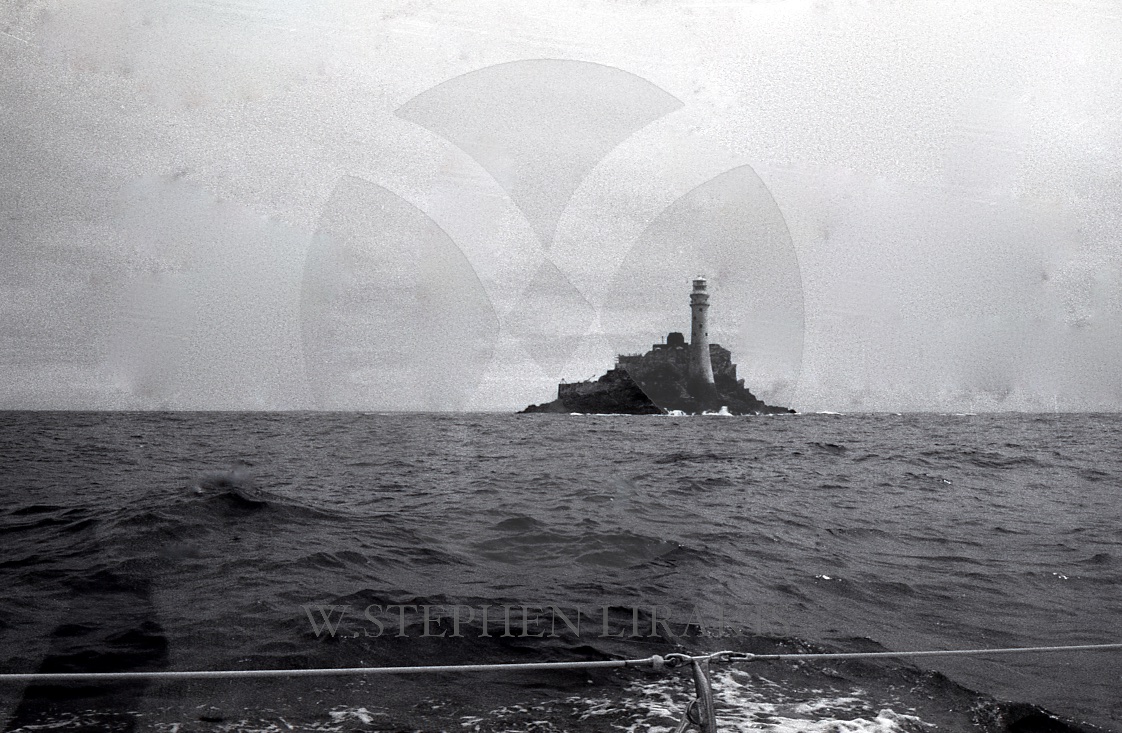
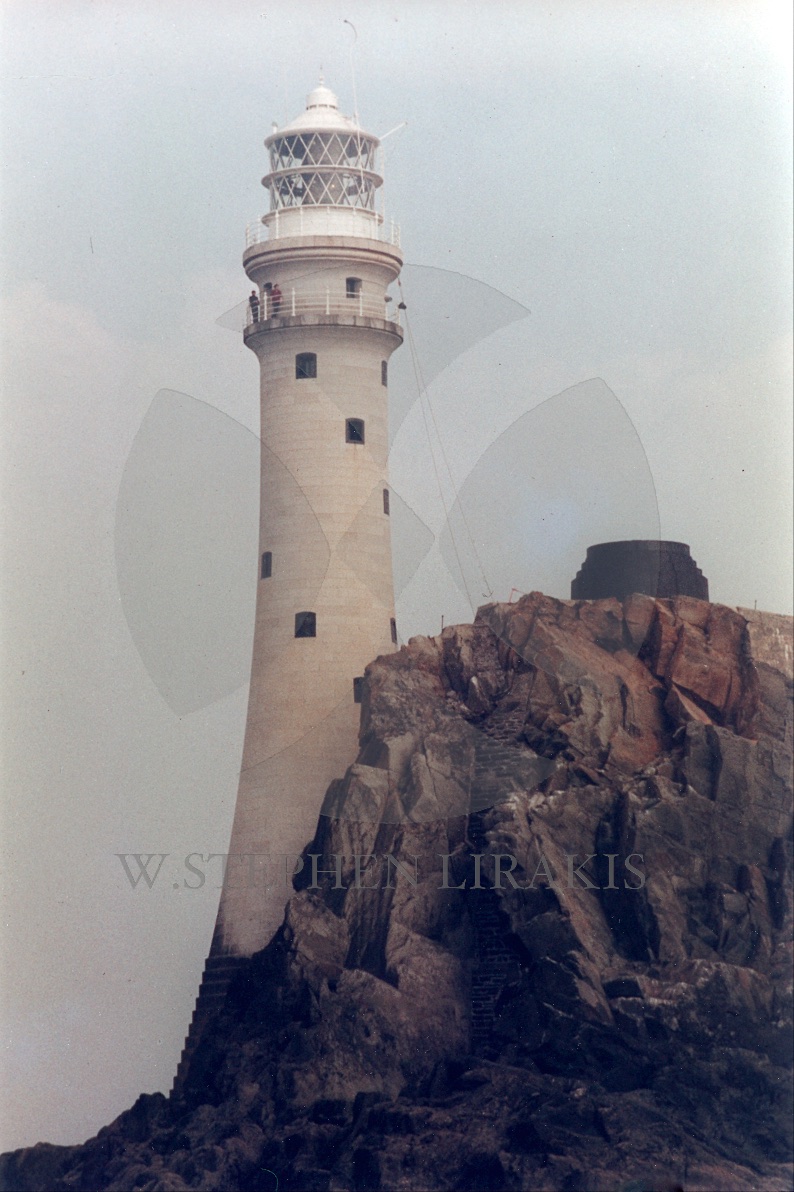
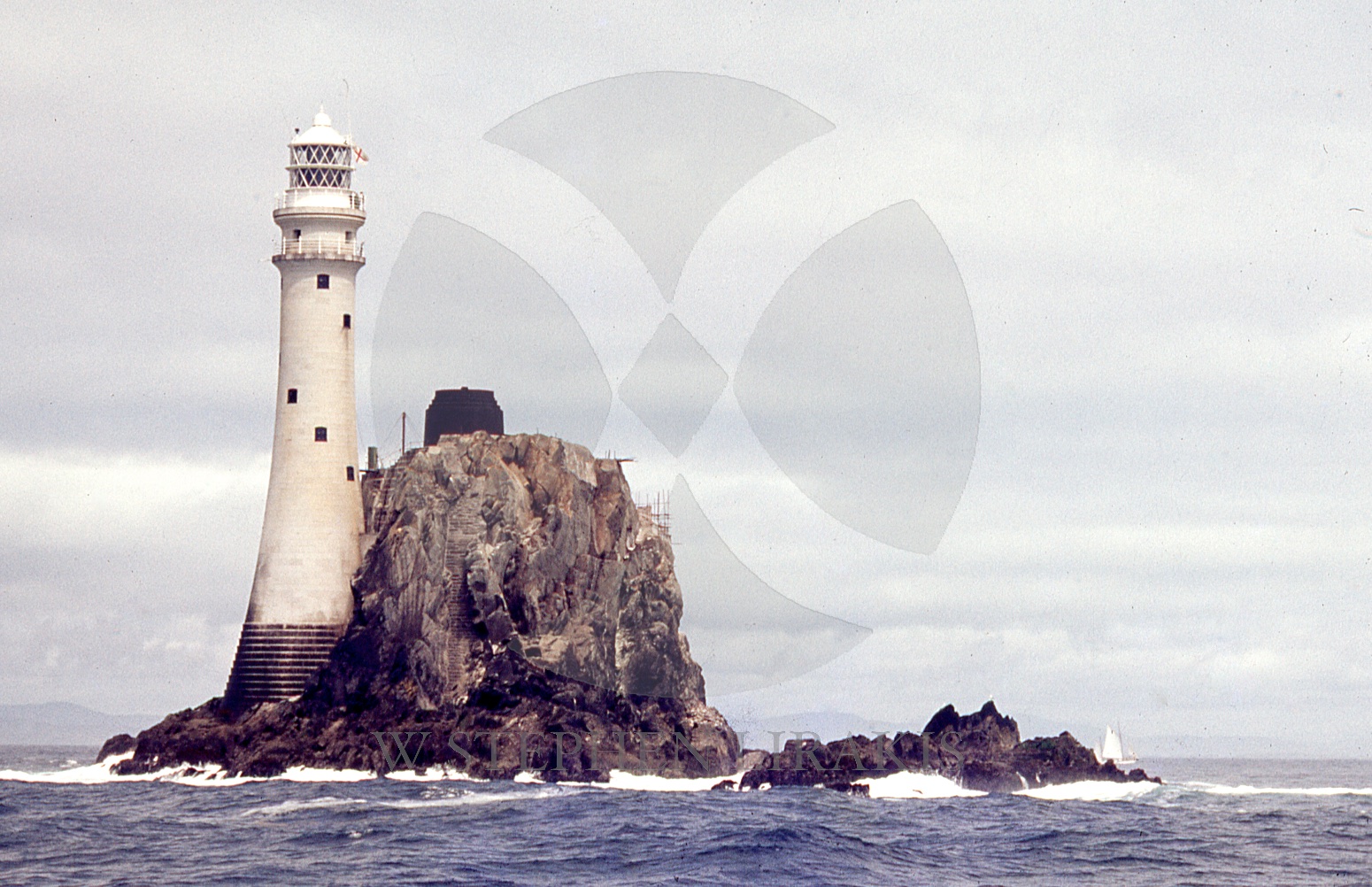
FASTNET RACE AUGUST 2015
Made famous by the 1979 tragedy, however the 1957 race was just as hard. Truly one of my favorite races as there are many tide gates and turns; a real challenge.
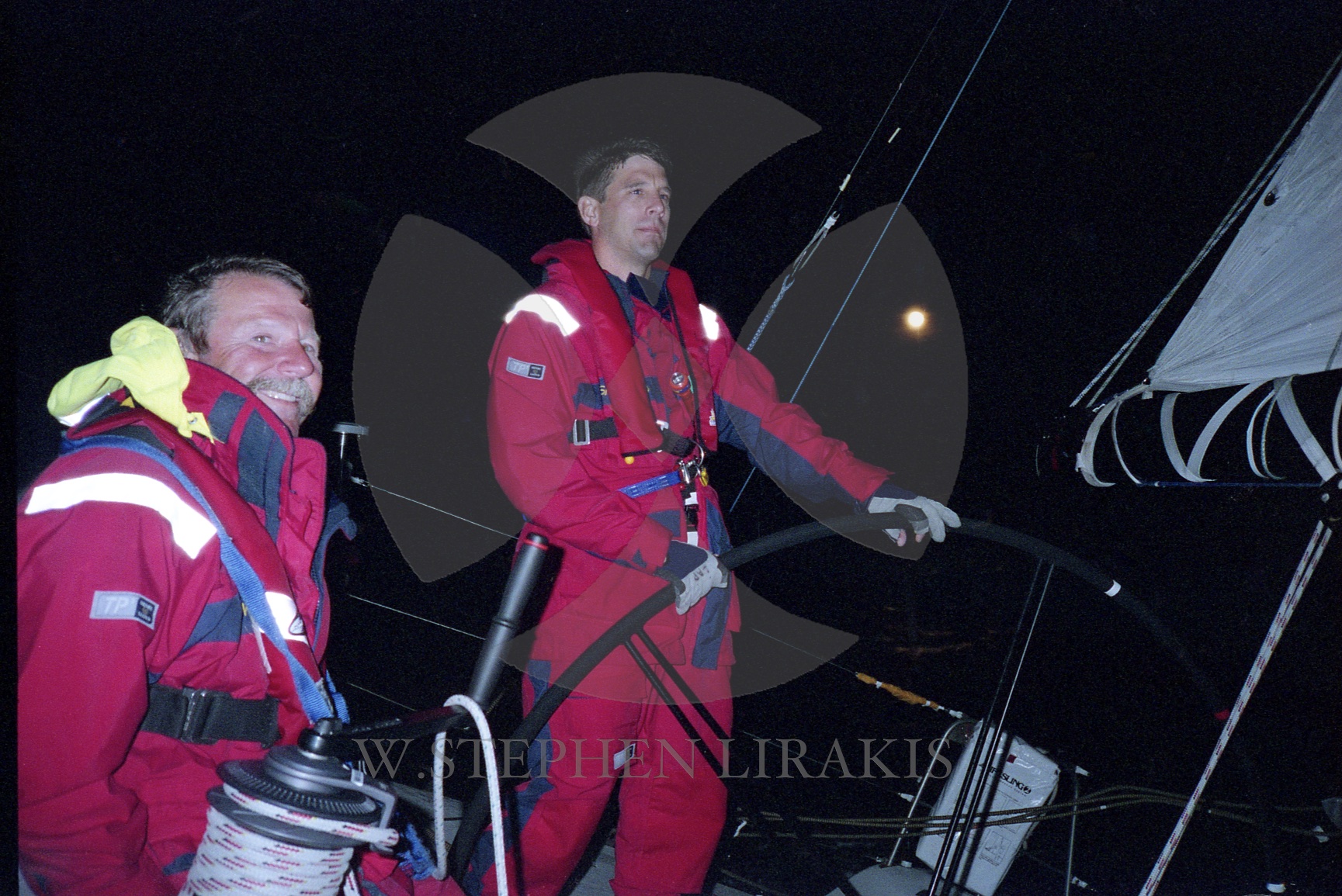
TRANSATLANTIC 2015
The start for us is one month away.
THER ARE NO NEW IDEAS
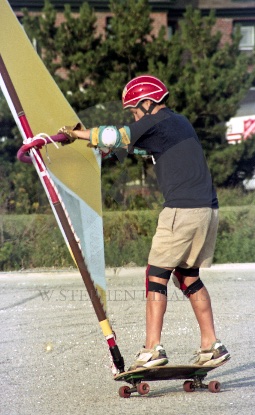
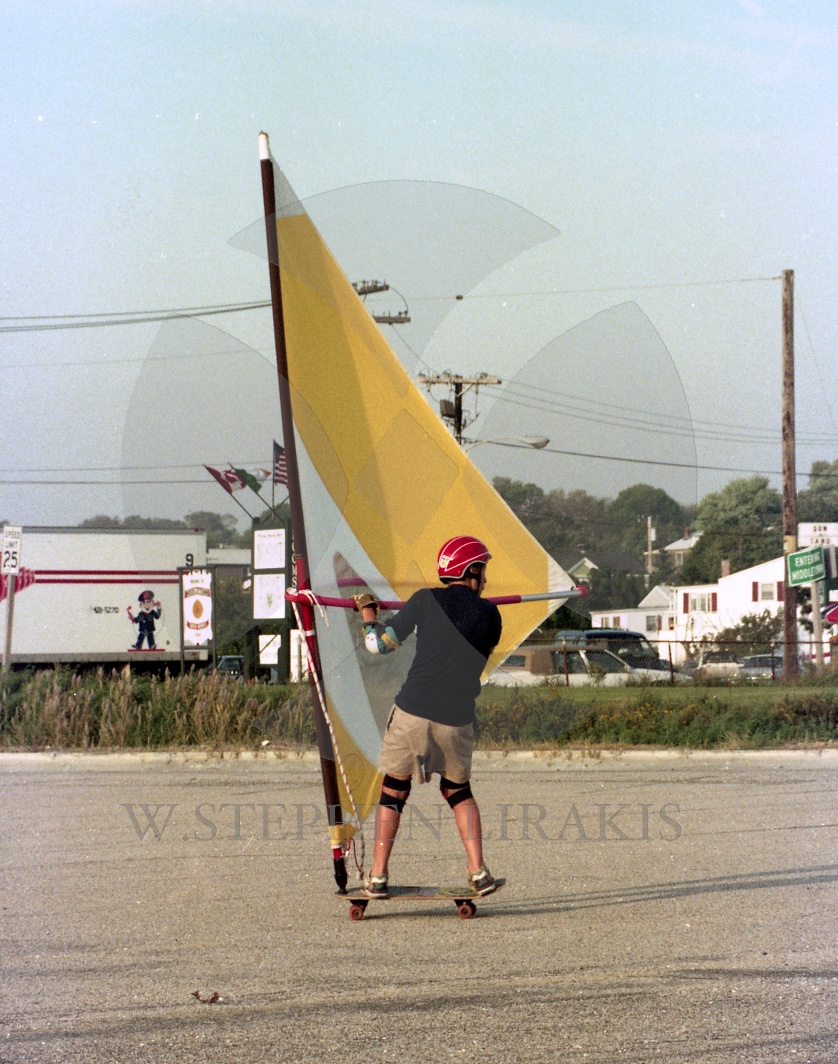
I read with interest the windskate story on Scuttlebutt
I have attached photos of my son doing the same thing in 1989. We used different size rigs depending on the wind strength. There are not many new ideas.

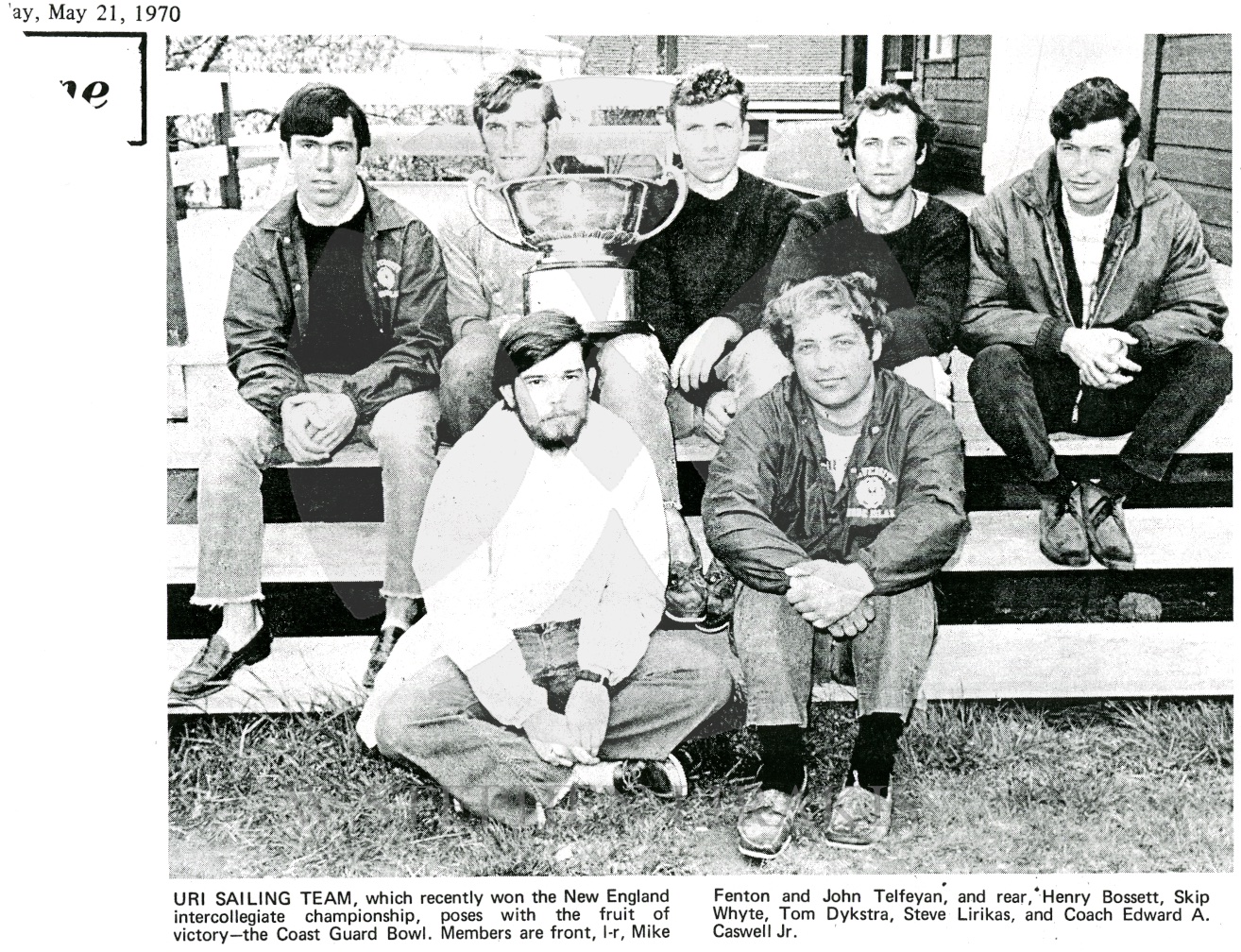
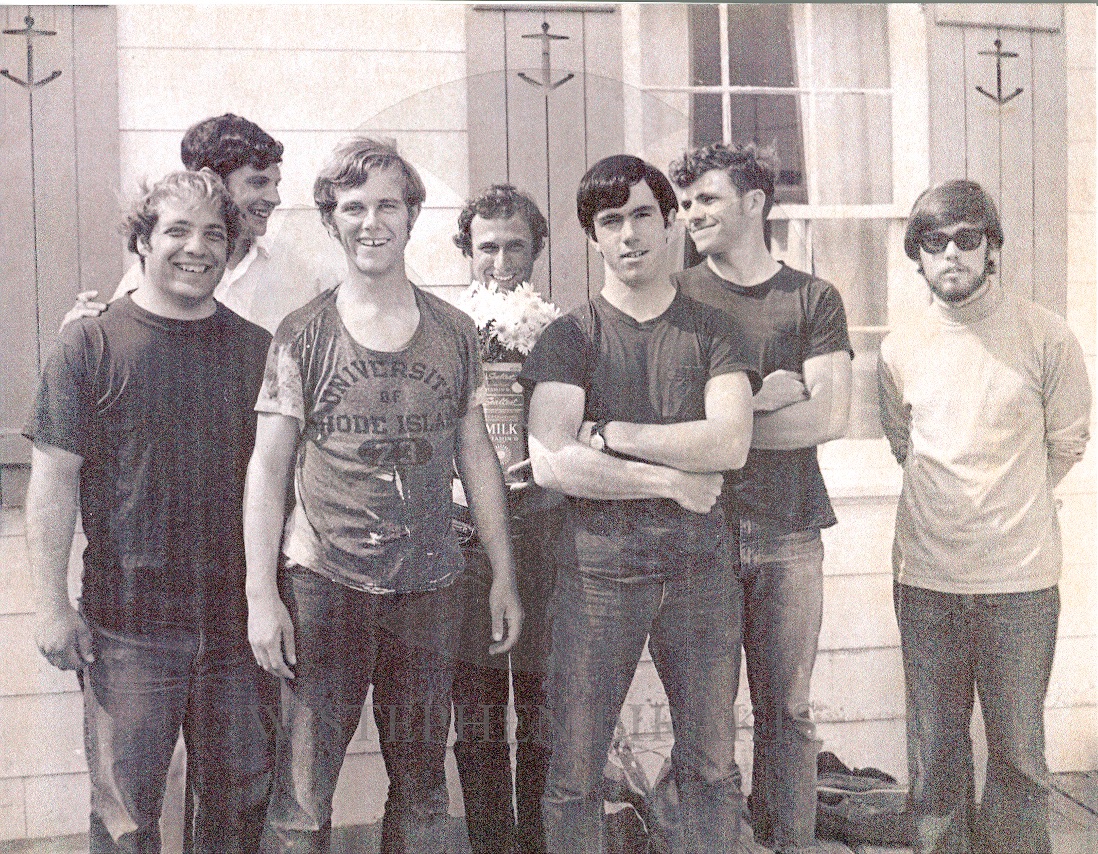
THE WAY WE WERE, COLLEGE SAILING
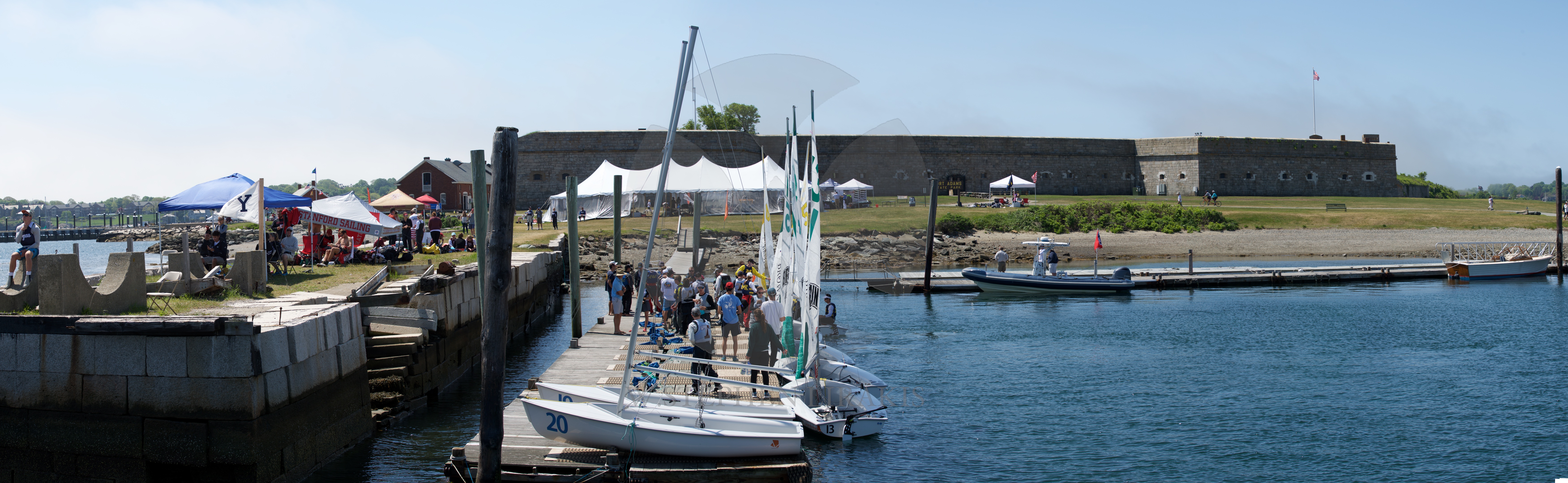
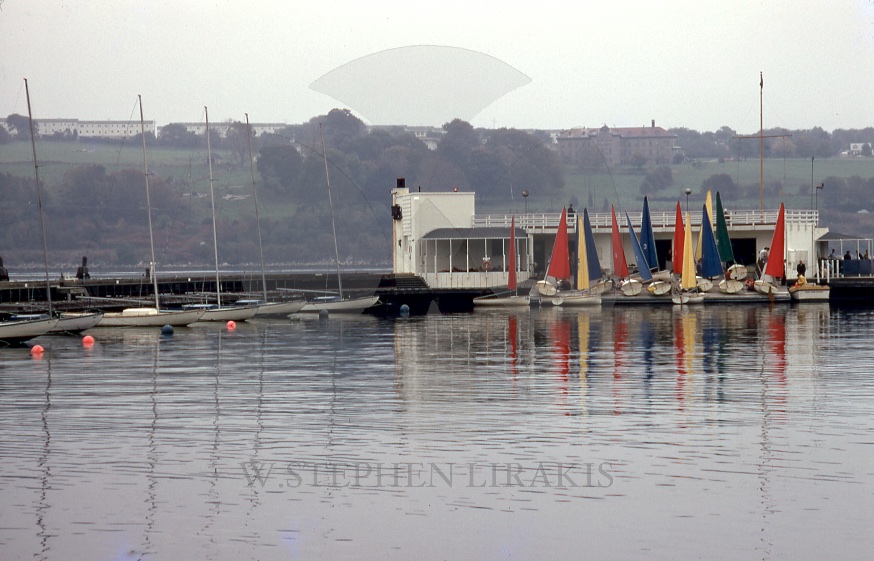
Salve Regina and Brown University are hosting the intercollegiate sailing championships over almost three weeks. The women’s championships just finished. the Team racing has just started. I have always had a soft spot for team racing. College sailing remains one of my fondest memories.
I am struck by the contrast in outfits worn by the teams; demonstrated by the photos. I was surprised by the amount of gear for sail at the event. We had neither the money nor the inclination to dress alike.


RODEO COWGIRLS
NOT REALLY 12 METERS
copied from sailing anarchy. Clever plan.
THESE BOATS ARE NOT REALLY ANYTHING TO DO WITH 12 METERS.
challenge of the ancients
 Tom Ehman’s Golden Gate Yacht Club Challenge already made its first political change – it’s now known as the SF Yacht Racing Challenge to keep from pissing off the rest of the Bay Area clubs. One sneaky anarchist attended an Ehman presentation about this ‘outside the box’ event for the age-advanced, and here are the details we’ve scooped up:
+ The new class will be known as Super 12s, and will be more of a ‘Spirit of Tradition’ version of a 12 rather than a real one. A Grand Prix (post-1983) 12 above the waterline, a modern fin-keel yacht below. Carbon-composite hull, deck and rig.
+ Strict OD including deck hardware and sails (lesson learned from Volvo) for the obvious cost savings, as well as to make it a crew contest, not a design/budget battle. Draft will be under 10? – they’re shooting for 9’5? – both for access to area clubs and to commercial yards.
+ Boats are expected to be convertible to a charter life after their competitive lifespan ends.
+ Crews will have a strict nationality requirement (passports?) as well as an interesting diversity requirement: each crew will need to include a minimum of two women and two men as well as two aged 22 or younger, and one aged 62 or older. College sailors should be eligible through their senior year, and the total crew size will be 12.
+Teams will have to work with local YCs/marinas/yards to create a base in an existing facility – no building out of own piers for a team base that is separate from existing local sailing community
+ Fleet racing and match racing finals will take place on the San Francisco city front for 2 weeks in July, when average afternoon (1300-1800) wind speed on the Bay is 13kts or more virtually 100% of the time (13-30kts). There will be no upper wind limit; lower wind limit of 5 knots or so, though stats say it ain’t gonna happen much, if at all. “Hell or high water” is what we were told.
+An East Coast venue will likely come into play within the first couple of years, and our guess is an obvious one: Newport. We can see Annapolis trying to regain some of the luster they’ve lost as one of America’s real sailing cities…other than that pesky problem with having breeze.
+The boats should cost somewhere between 2 and 3 million, and the campaign another 500k to 1M.
Several Italians are apparently quite keen; we’d hope to see Vincenzo and Patrizio back in the kind of racing they both enjoy. Here’s an Italian take on it.
BLOCK ISLAND RACE 2015
The Block Island Race is done and dusted. “Comanche” completed the course in 11 hours. “Comanche” was back in Newport before I made it back. For “Snow Lion” it was under 22 hours. The forecast was almost right, the timing of the transitions was not quite as predicted but the general forecast was right.
I have never exited Long Island Sound by 10 pm before; and back in the Sound by 5 am. Nature provided a most lovely starry evening with a stark orange crescent of a moon over New York City.