

Go to the New York Yacht Club site or click on the link to read about the reunion. I would very much like to hear from anyone who sailed and may have stories and/or photos they might be willing to share.
Go to the New York Yacht Club site or click on the link to read about the reunion. I would very much like to hear from anyone who sailed and may have stories and/or photos they might be willing to share.

Perhaps we should consider April fools day as a national holiday. It has no religious or political implications; no group affiliation, universally accepted, blind to race, creed, nationality.
Over the years I have read or seen some very creative stories created for April fools’ day. My favorite continues to be the one the BBC broadcast more than 30 years ago now. The Lock Ness monster had been found dead. The British Museum of Natural History decided to bring it to London in a refrigerated truck for study. The Scots were literally up in arms that a national treasure such as “Nessy” would be taken out of Scotland, particularly by the English. Armed and angry Scotsmen manned a barricade at the border between Scotland and England to prevent the “national treasure” from being looted by the heathens from the south. This story continued throughout the day, with regular updates of the truck’s progress, and Scotch reaction.
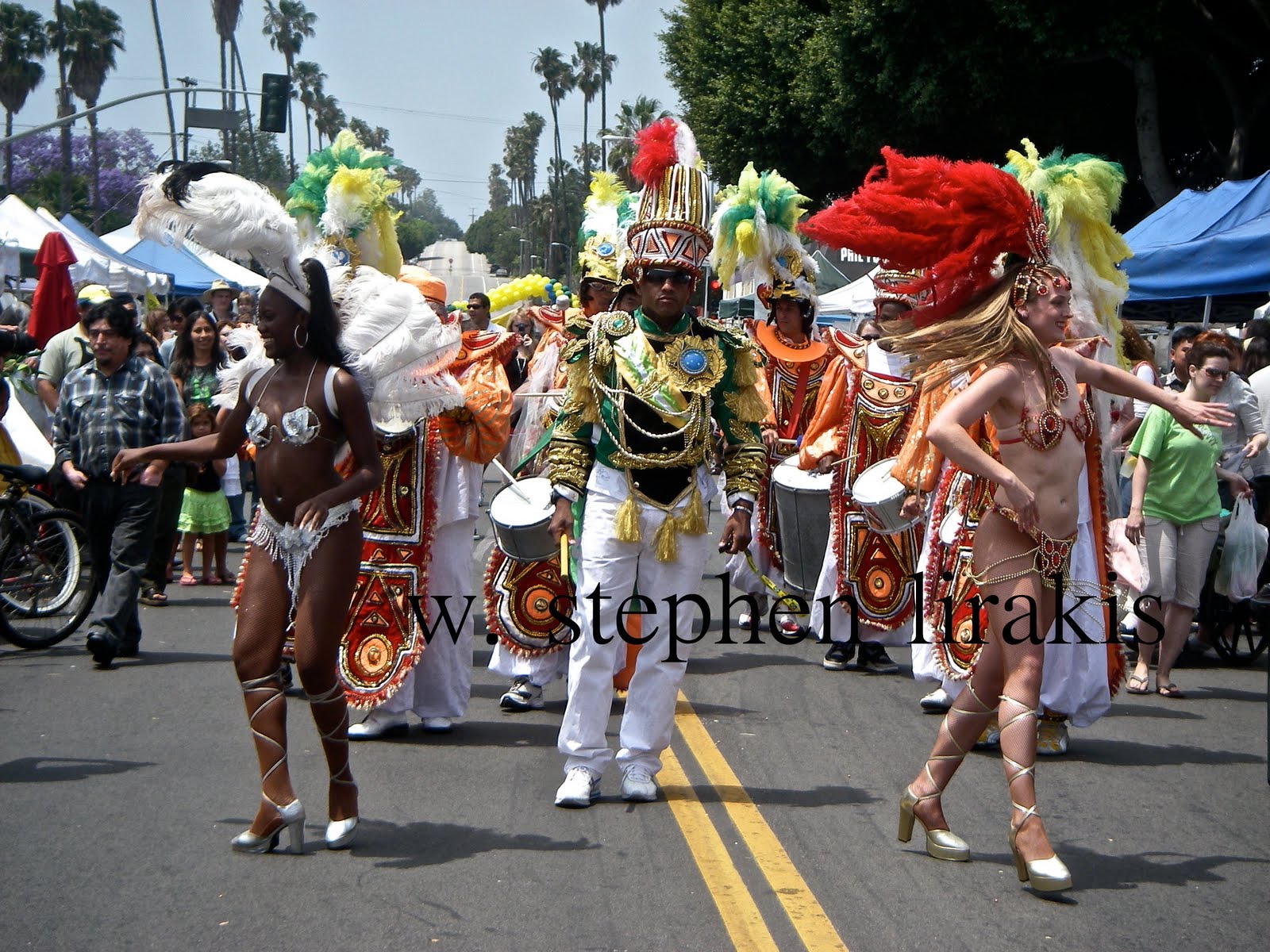

It is important to live a healthy life, and to do that one must eat well. The farmer’s market is a good way to accomplish that… and be amused at the same time.
Route 95 in Warwick is closed. Colony ford along the highway is under 10 feet of water. This is a new record for rainfall for the month of March. Not exactly the kind of record anyone was hoping for. Some people in Cranston may never be able to move back into their houses.


“MADCAP” IS FOR SALE.
“Madcap” a classic 1924 six meter designed by Frederick Hoyt lovingly restored at IYRS. She finished second in her class in the North American Championships in 2009 in Newport, Rhode Island; and third in the World championships in her division a week later.
Measurement certificate, ready to go. lying Newport, Rhode Island. Call Tom Rowe at NYM Yachts 401-683-1616
Saturday, March 27, 2010 Toby Rodes arranged a meeting to discuss the events during the upcoming summer. The day started in Bristol at Lars Gluck’s shop where Totem and Flapper are undergoing refits and finishing, which will surely make already fast boats faster.


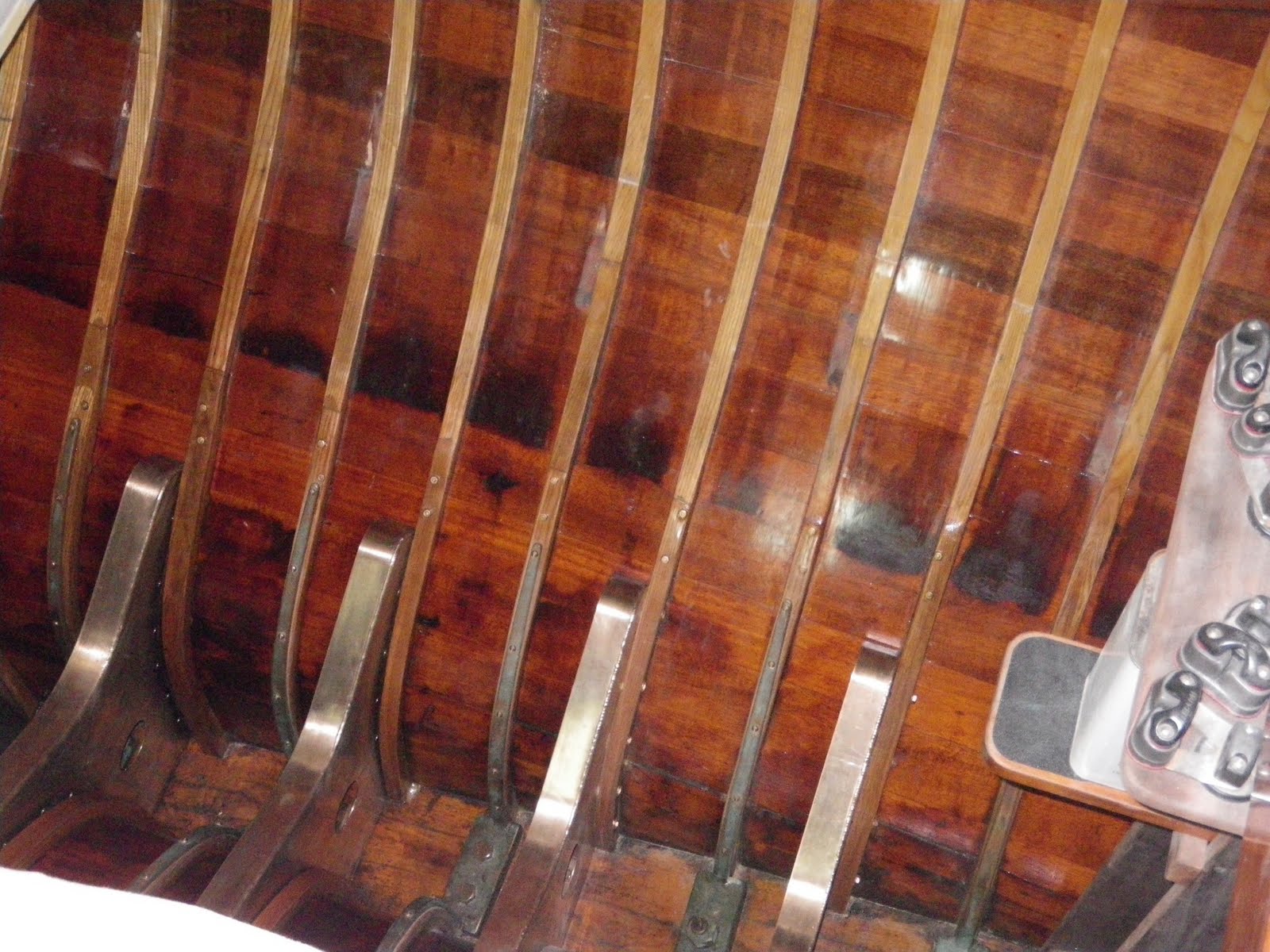


The longevity of the 12 meter class is owed in no small part to Lloyd’s scantling rules. They were strict and the boats were indeed inspected for compliance. These boats were overbuilt certainly by today’s standards and the result is that they are still here today.
In fact while I was building “Courageous” at Minneford’s Yacht yard one of my jobs was to co ordinate with Lloyds, as we were building the first ever aluminum 12 meter.

.jpg)

.jpg)
.jpg)
.jpg)


peter becker and stan scheryer have left Baltimore for New York in preparation for the record attempt (actually one of the two boats will set the record) between New York and Barcelona, sailing IMOCA 60’s
very exciting
 I intended to make orderly posts starting in 1958 finishing in 1987, the 12 meter era. I knew I had pictures of this event, I did not remember exactly what, and certainly had not found them until yesterday.