ALMOST THE LONGEST NIGHT IN HISTORY

This morning in Newport the sun was supposed to shine through a portal on the “Old Stone Mill” not to be seen again for 18.5 years.

Correction: Tonight will not be the longest night in the history of Earth. It was in 1912.

(Marjan Lazarevski)
Correction: This article originally said that, due to the rotation of the Earth gradually slowing down over time, this winter solstice would feature the longest night ever.

I got this wrong. The Earth’s rotation is gradually slowing on an extremely long timescale, but on a shorter year-to-year basis, geologic factors can alter the speed as well.

Data indicates that the rotation speed has actually sped up slightly over the past forty years, likely due to melting of ice at the poles and the resulting redistribution of the Earth’s mass. So, as far as we know, the longest night in Earth’s history likely occurred in 1912. I apologize for the error. Thanks to Steve Allen and Ryan Hardy for pointing it out.


Today, you might already know, is the winter solstice. That means for people living in the Northern Hemisphere, it’s the longest night of the year.

However, as science blogger Colin Schultz points out, tonight will also be the longest night ever.

At any location in the Northern Hemisphere, in other words, tonight’s period of darkness will be slightly longer than any other, ever — at least, since the planet started spinning right around the time it was first formed some 4.5 billion years ago.

Why this night will be the longest ever

The reason is that the rotation of the Earth is slowing over time. Every year, scientists estimate, the length of a day increases by about 15 to 25 millionths of a second.

It may be a truly tiny amount (and it means that even in your entire lifetime, the length of a day will only expand by about two milliseconds), but it forces official timekeepers to add a leap second every few years.

The main reason Earth’s rotation slowing down is the moon. Shortly after the formation of Earth, it was impacted by a planet-sized object. This enormous collision threw off the material that would eventually coalesce into the moon, and also sent Earth spinning quite rapidly.

In the four-plus billion years since, that spinning has slowed down pretty significantly (with an Earth day going from about six hours to 24 hours as a result) because of the moon’s gravity.

The moon’s gravity pulls ocean water slightly toward and away from it, causing tides. But because of the alignment of the two bodies, the resulting bulge of water is slightly ahead of the spot on Earth that’s directly under the moon.

As a result, the Earth encounters just a bit of friction from this bulge of water as it rotates, slowing it down slightly.

The phenomenon — called tidal acceleration — also allows the moon to drift slightly farther away from Earth over time. (It’s also what’s led the same face of the moon to always faces Earth as it rotates around us, and eventually, if things went on long enough, the same face of Earth would always face the moon as well, a phenomenon called tidal locking.)

There are a few other things that contribute to Earth’s slowing down, but their contributions are minor. One is that the moon’s gravity similarly causes Earth’s crust to flex, like its water, leading to some friction as well.

Why winter solstice is the longest night of the year

This one is much simpler. The Earth orbits around the sun on a tilted axis, so sometimes, the Northern Hemisphere gets more exposure to sunlight over the course of a day, and sometimes, the Southern Hemisphere does. This is what accounts for the changing of the seasons.
RAINY DAY PHOTOS

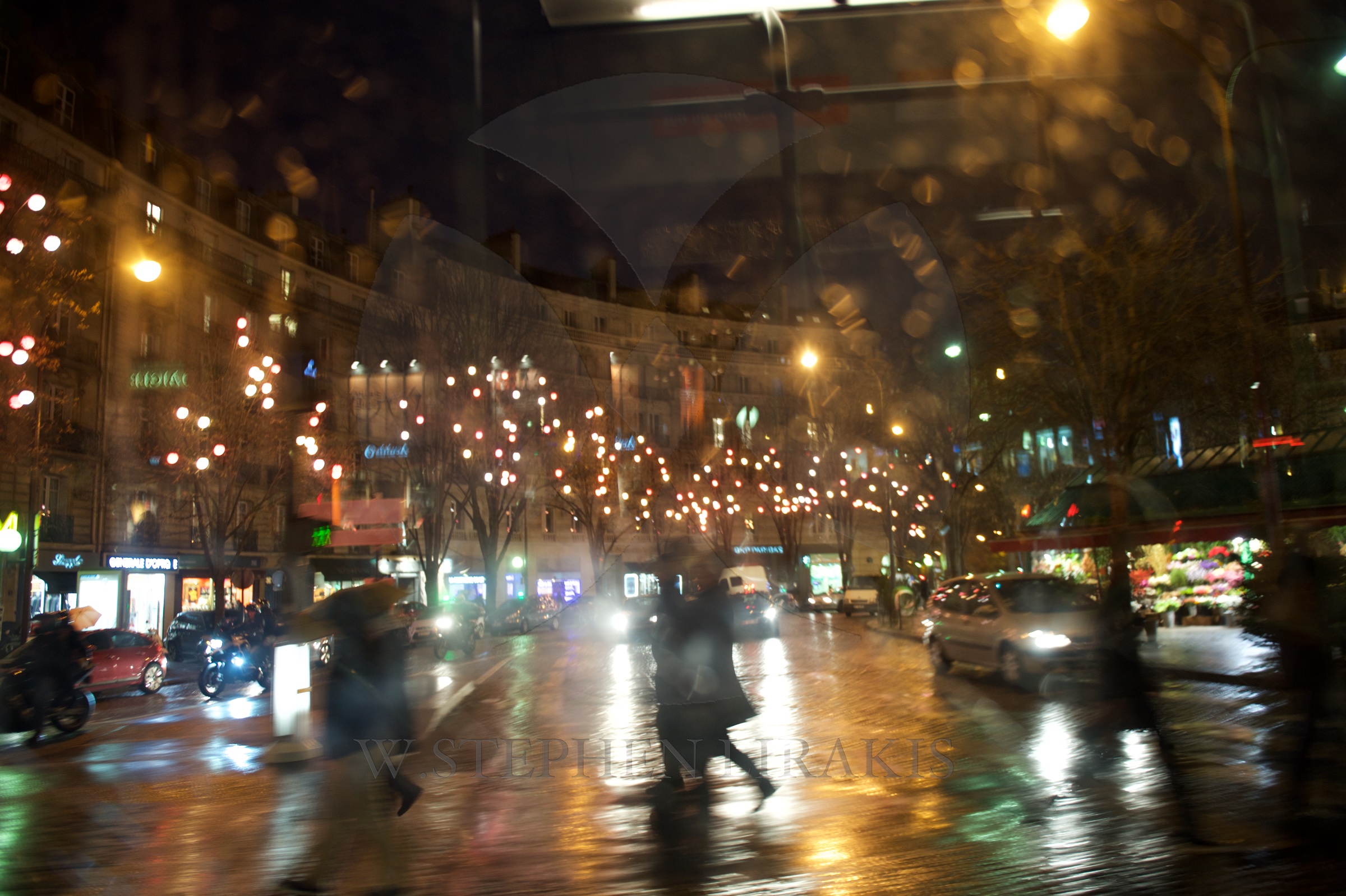
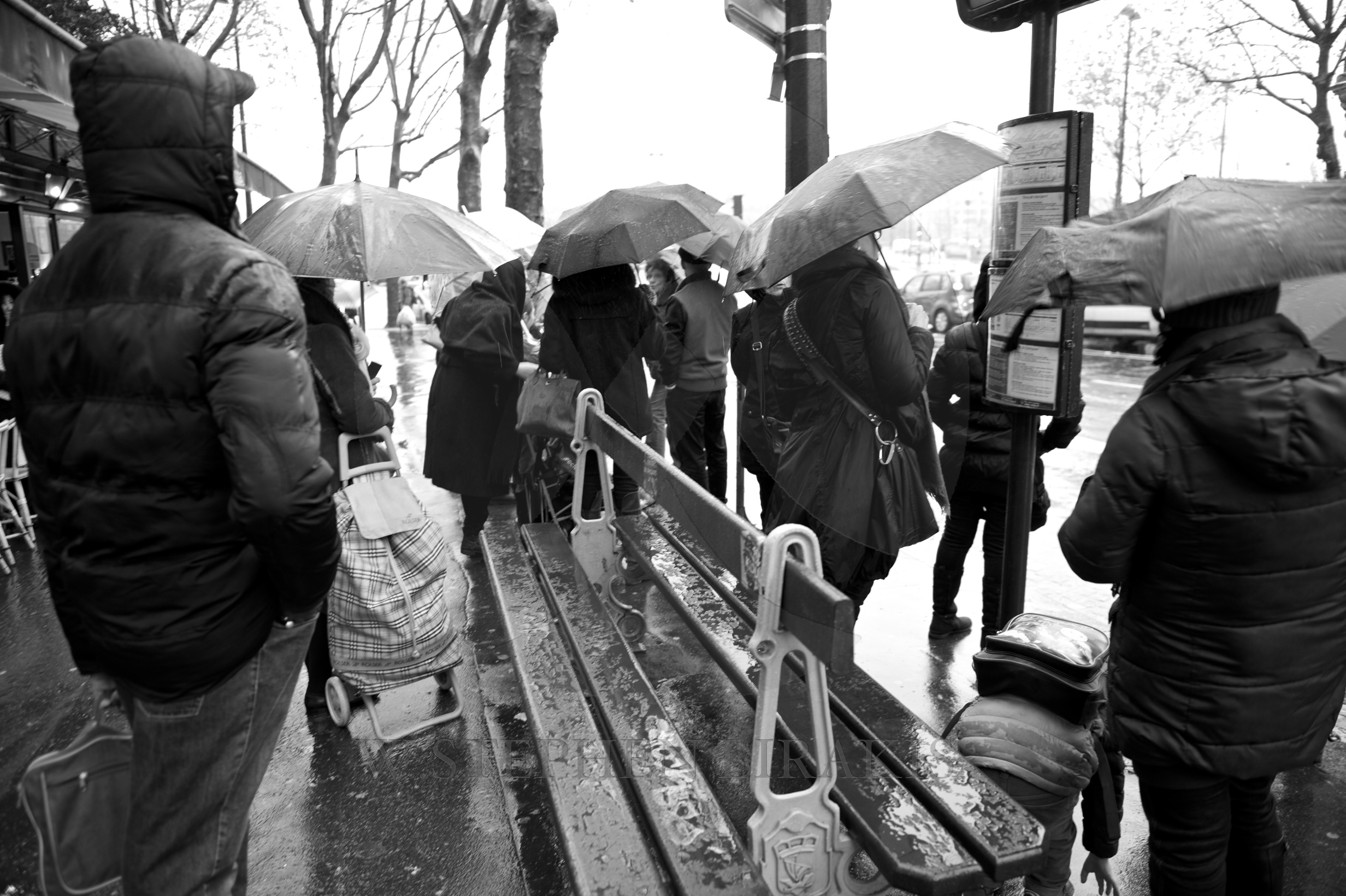
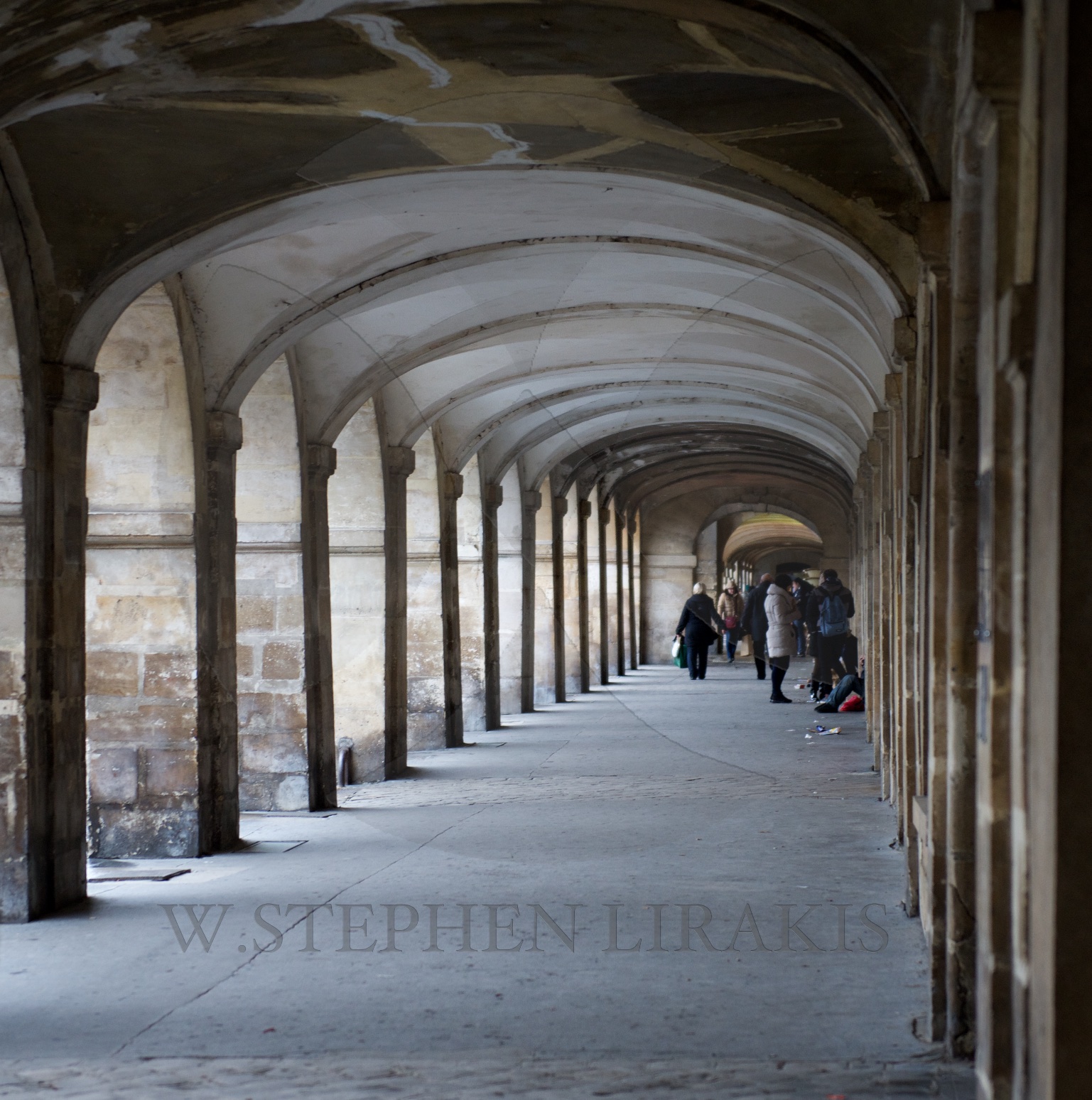
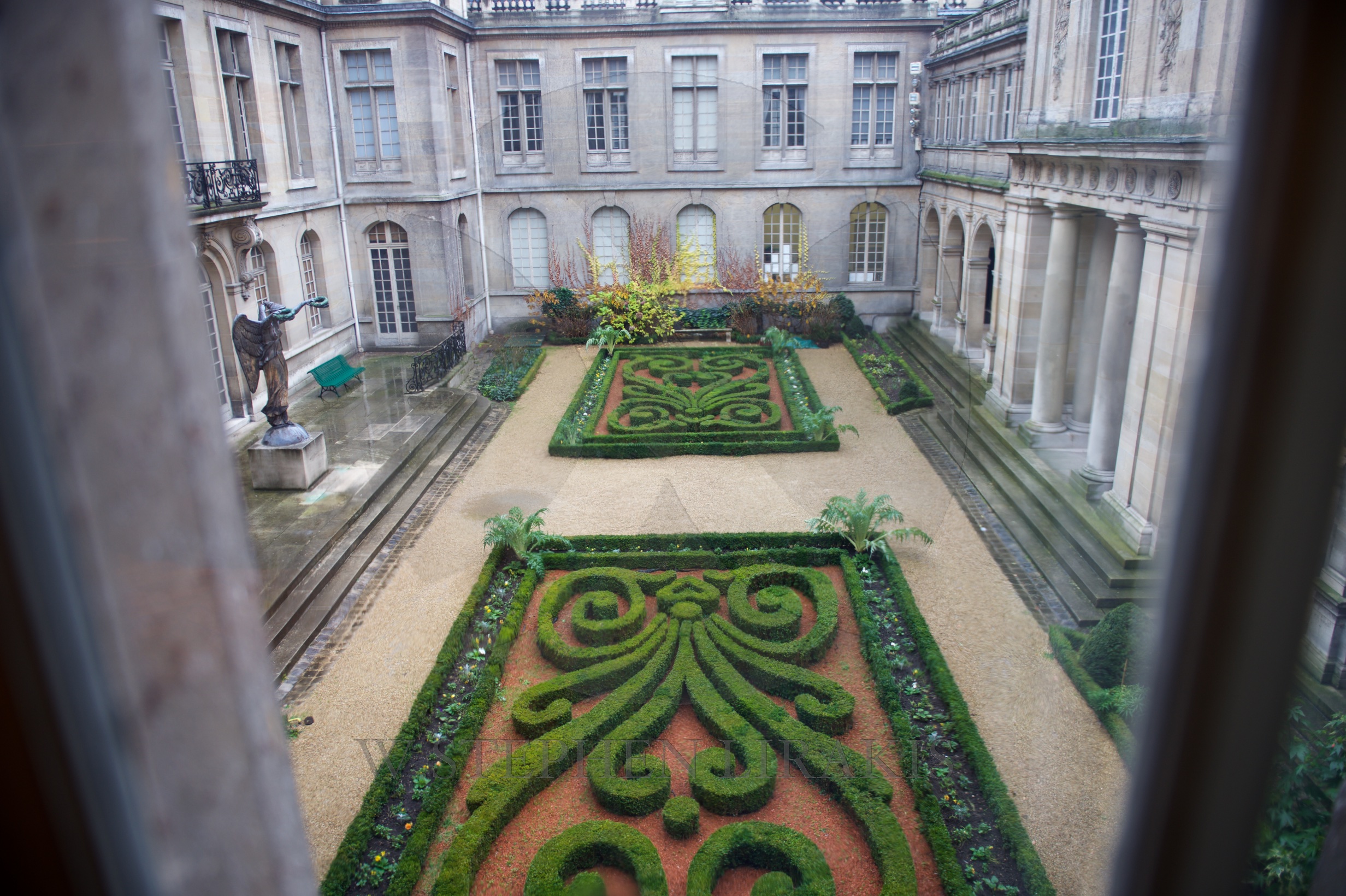
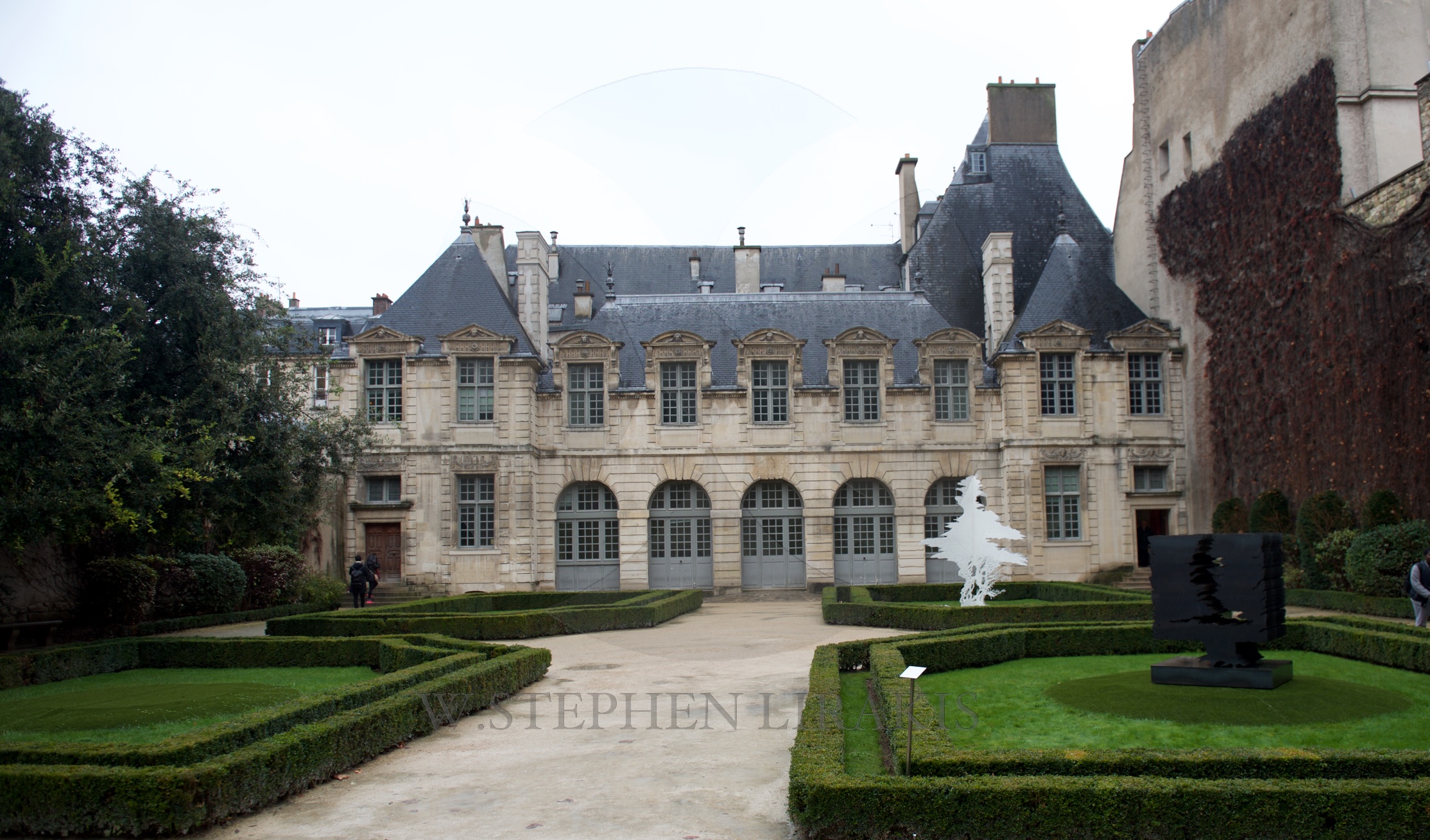
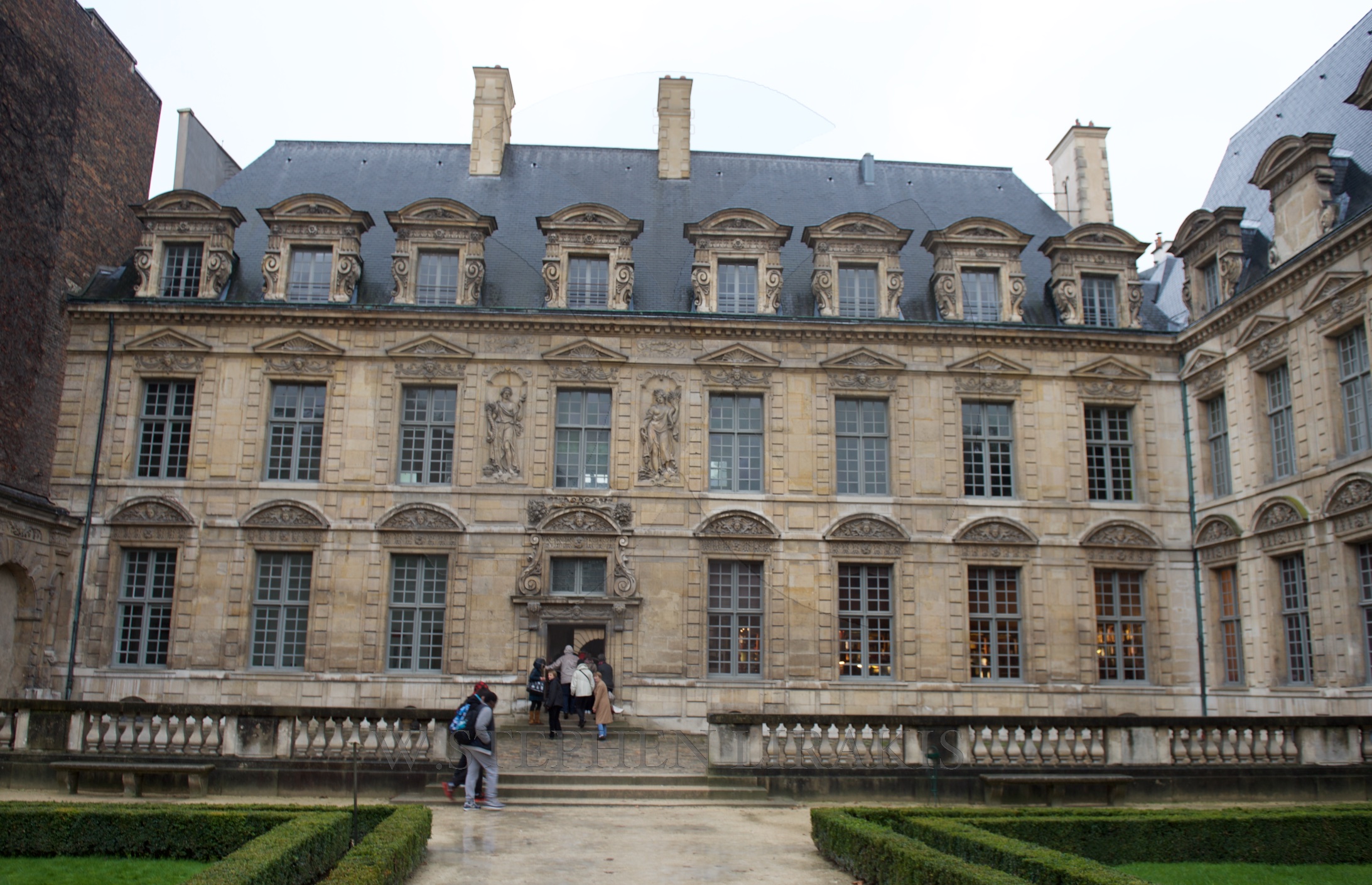
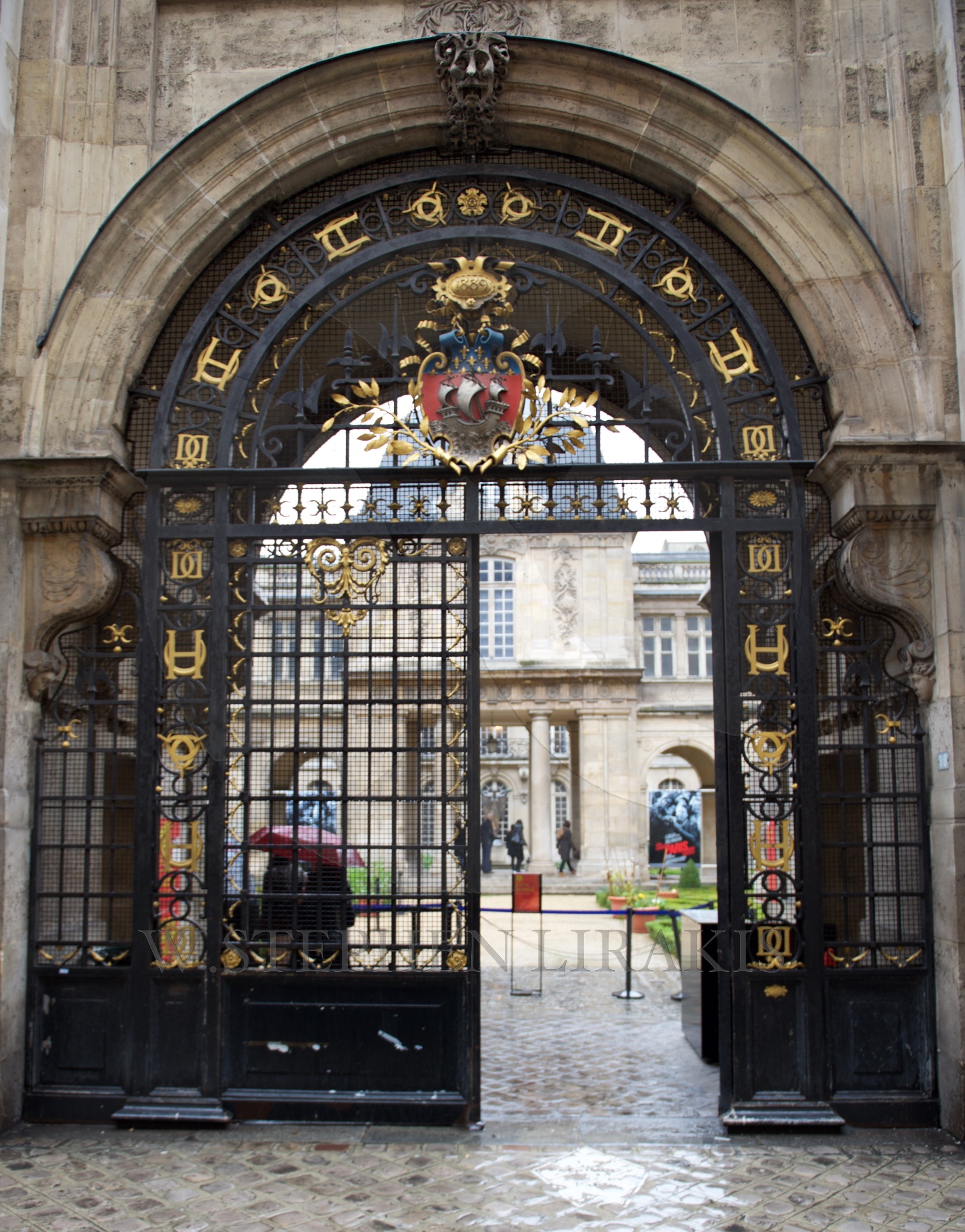
Weather has a profound effect on everything we do. the way we dress, what we decide to do in a day. Where is decide to do it. How we decide to do it. Whether we like it or not weather is a primary concern.

Walking in Paris today in the rain changed everything. I was more protective of my camera, which in turn changed the way I took photographs; or if I would even choose to take one.

GOSSIP ON THE BUS
GOSSIP ON THE BUS
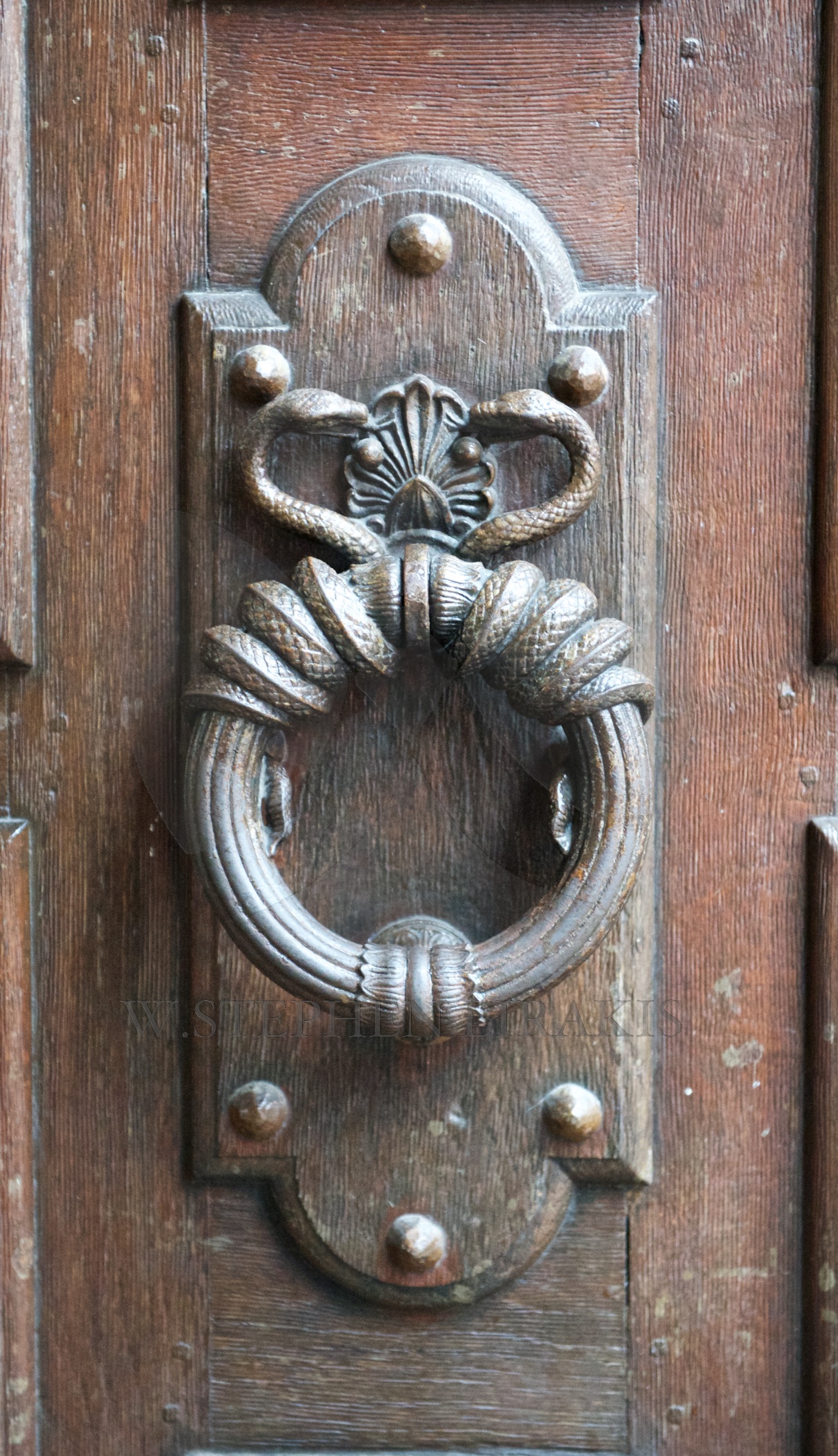
SNAKES
SNAKES
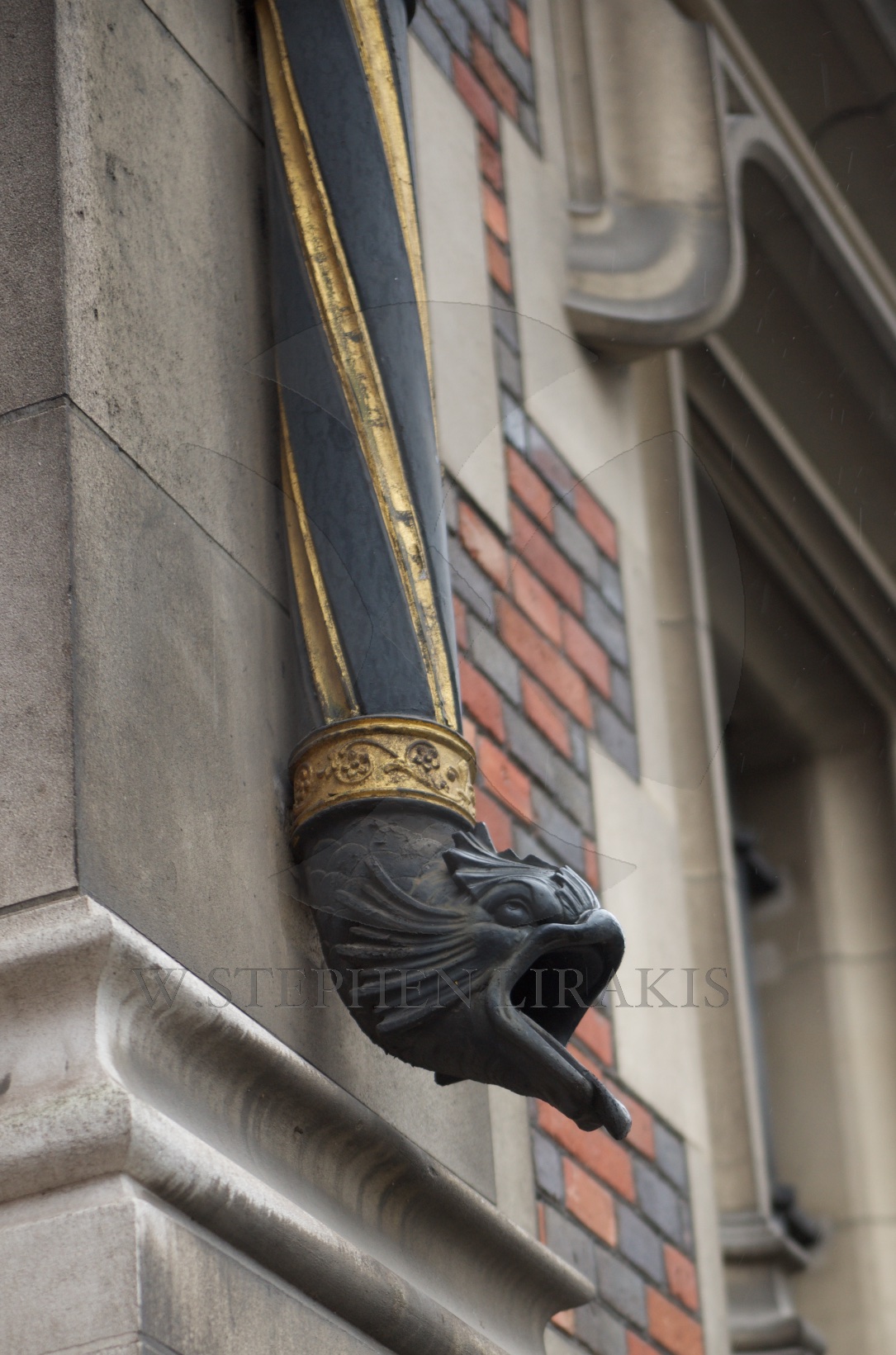
DRAGONS
DRAGONS

paris 12 11 14  47955 - Version 2

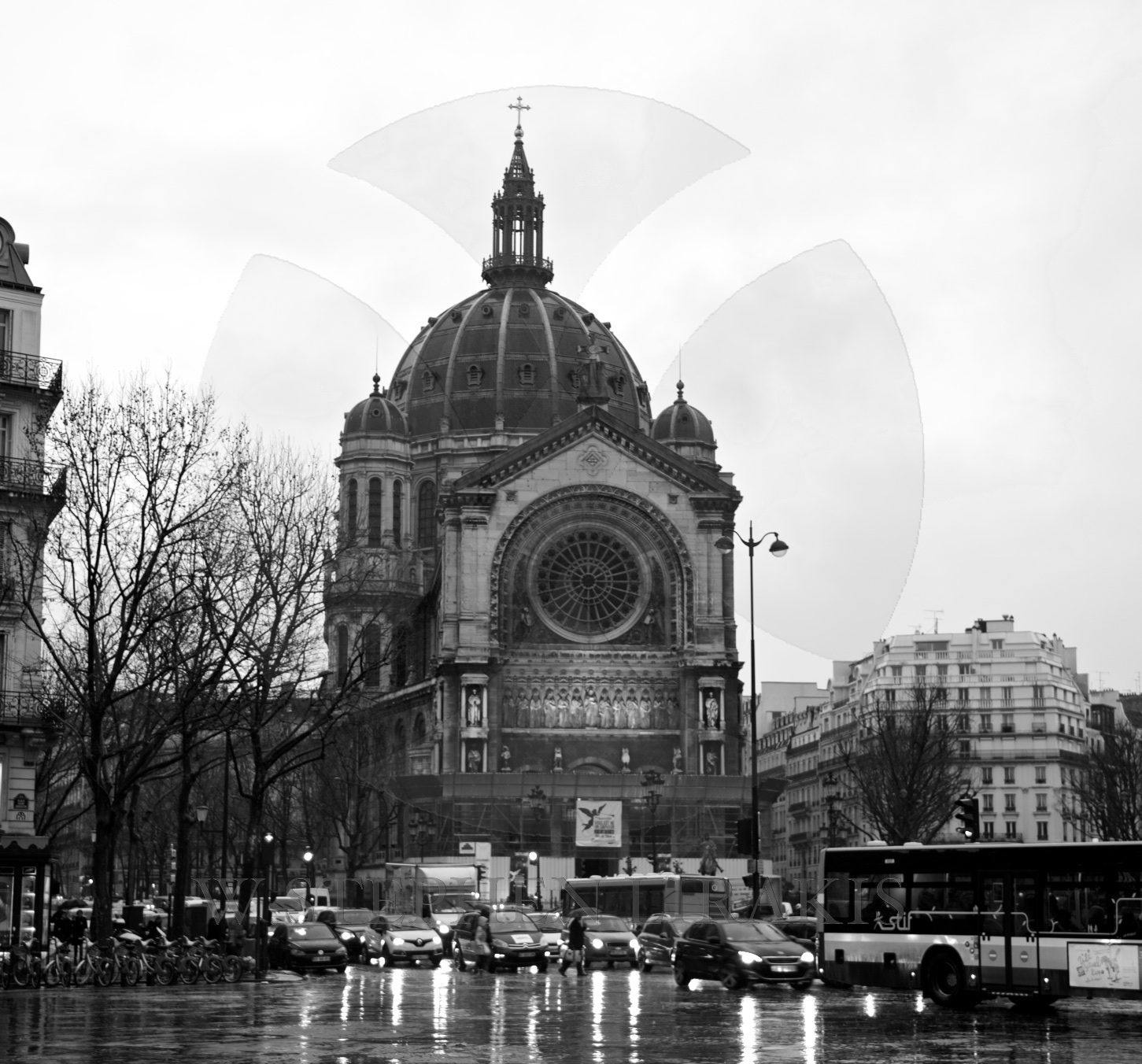
SAINT AUGUSTIN IN THE RAIN
RUSSIAN CHURCH
RUSSIAN CHURCH
WALKING IN THE RAIN
WALKING IN THE RAIN
BUSY AT THE BUS STOP

SAVING SAILING?

The discussion about saving sailing is not a new one. I am one of those people who believe that youth sailing is out of whack. The costs associated are silly. Yet if you want your child to be competitive; you must buy in to the game.
The above video about building the patapon may be more than some wish to commit to in terms of detail of finish, but the concept is what is really important.
The Opti for example was originally conceived to be built inexpensively in your garage in plywood.

Don Finkle presents a compelling argument in his scuttlebutt article.

Where have all the young ones gone?
by Don Finkle, RCR Yachts
We have always believed in and supported youth sailing, which has now expanded from junior sailing schools to high school to college. The latter programs continue to pop up everywhere and young people can now start out at 6 years old and sail extensively on teams up into their early twenties. They have terrific opportunities that we never had at that age.

We are cranking out more well trained sailors than ever before. At the same time we hear that not enough young people are sailing and racing once they graduate out of these programs. We have more skilled young sailors but they are not sticking with it. Why doesn’t this add up?

I don’t buy the idea that kids (I use that term loosely) stop sailing because boats are no longer given to them to use. There are so many crew shortages, even boats they can borrow, that opportunities to sail are everywhere. Used boats are very inexpensive right now; being in the business I can say that with confidence. Many small used one design boats are practically being given away. In our opinion the problem lies elsewhere.

If a youngster starts sailing at six years old and stays with it through college, he/she will have been sailing for most of their lives to that point. Frankly, for them to opt out at this point, it is often a case of “been there, done that”. Those hours and days spent sailing in dinghies were hours they were not playing golf, tennis, softball, fishing, scuba diving, swimming, biking, and many other activities they now want to try.

Young people today have so many opportunities and are accustomed to doing many different things for entertainment. Sailing gets crossed off the list and they are ready to catch up on what they missed. The other issue is that if sailing as they know it means more short-course races in small boats many of them have had their fill after 10-15 years of doing it. Some are just plain burned out.

A percentage of these skilled and enthusiastic dinghy sailors will stay with it. Others will come back to the sport when they are older, often much older. But if we want to keep more young sailors engaged in the sport in their 20s and 30s, they need to see more of a return on their time in the form of fun and social interaction. This likely means a different type of sailing than what they have been doing.

We should ask them and find out.

NOTRE DAME, ABOVE PARIS


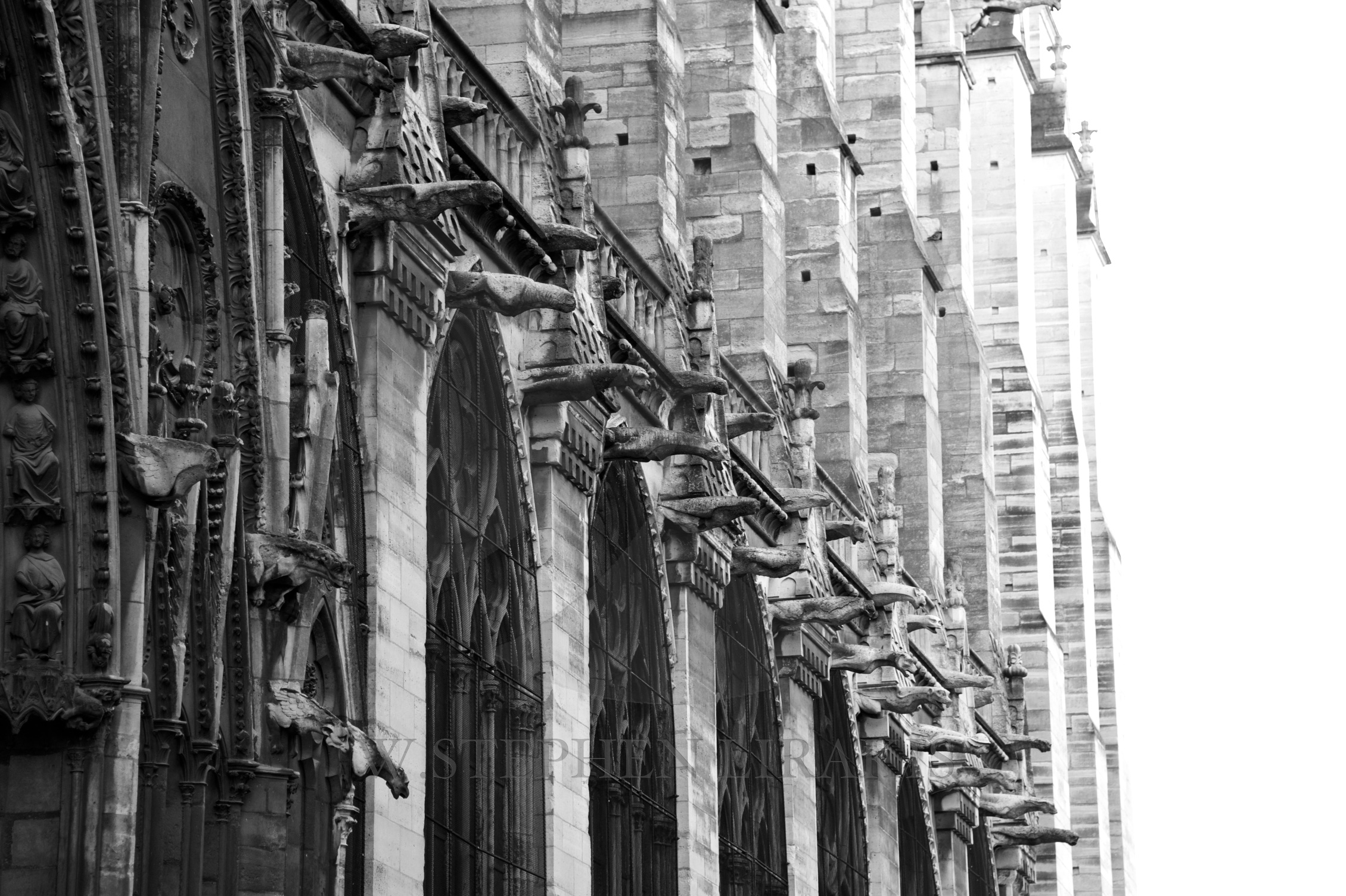
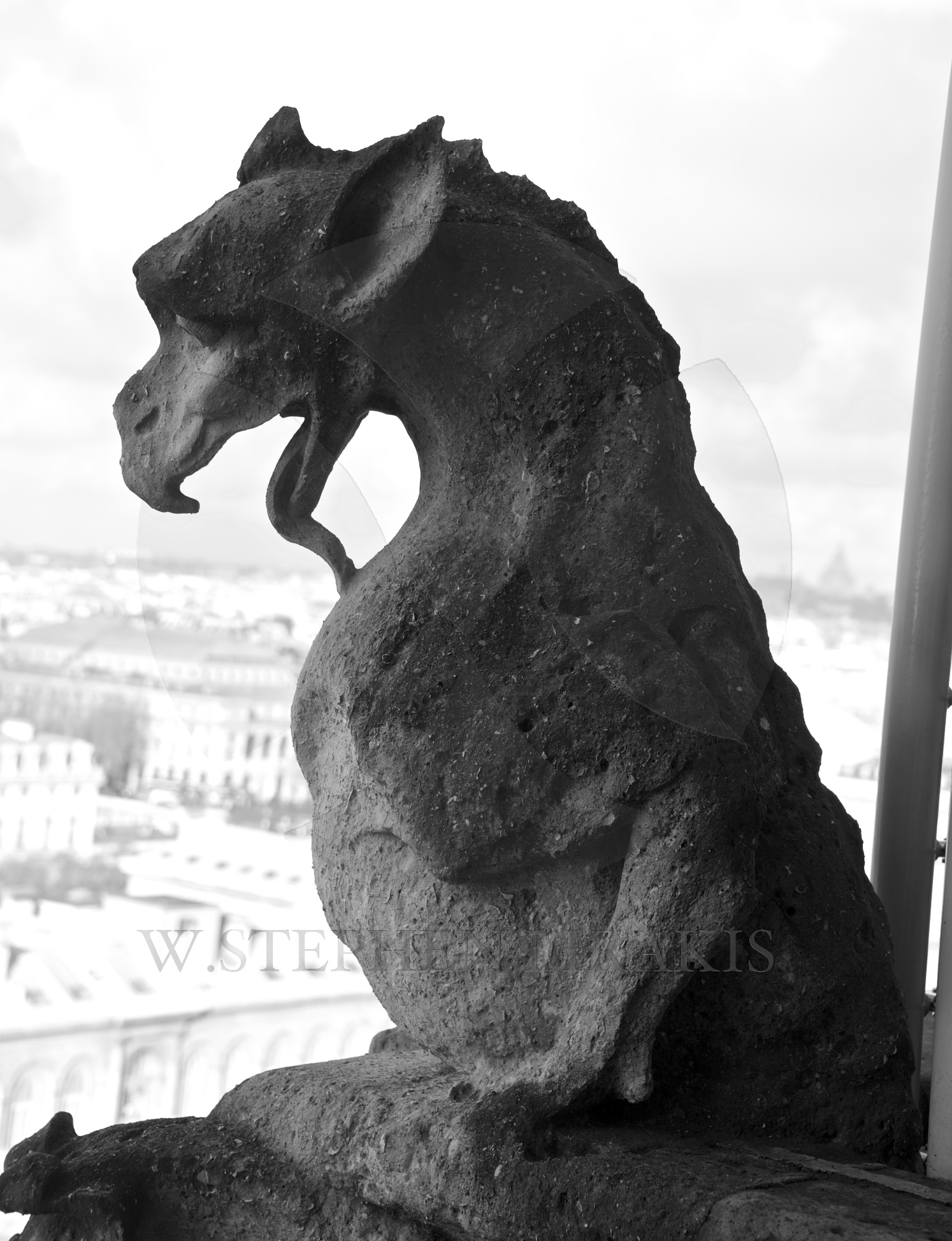
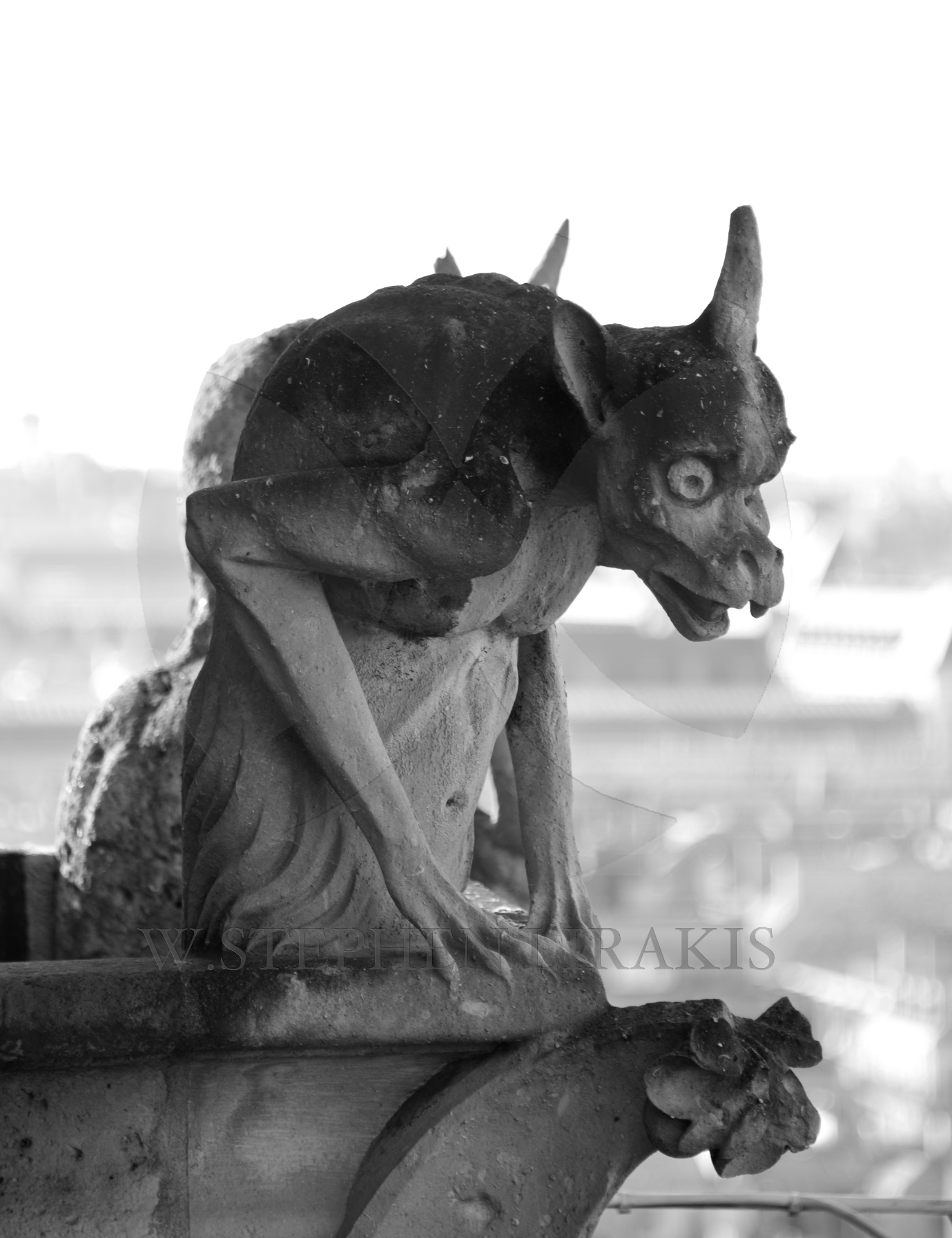
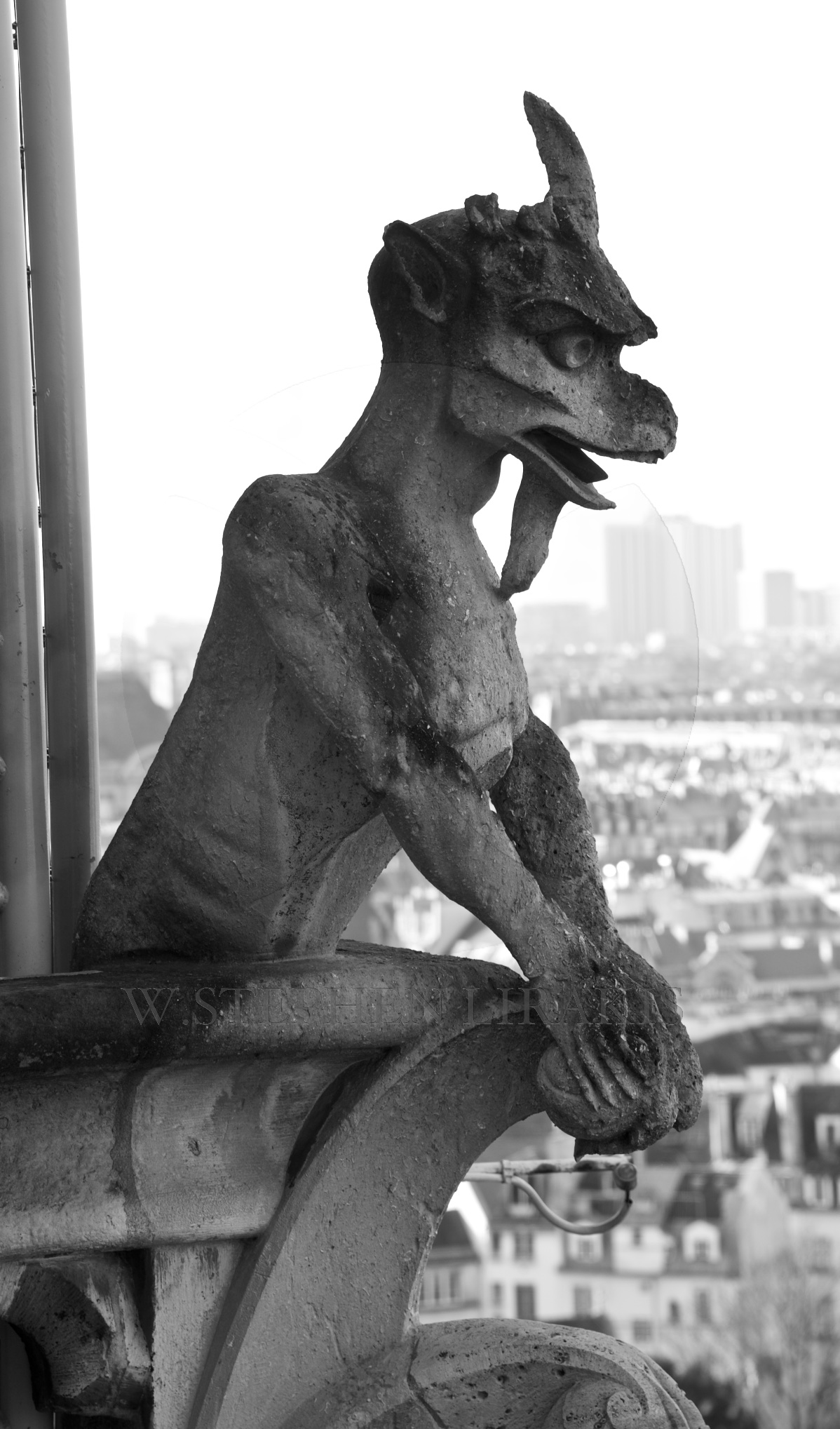
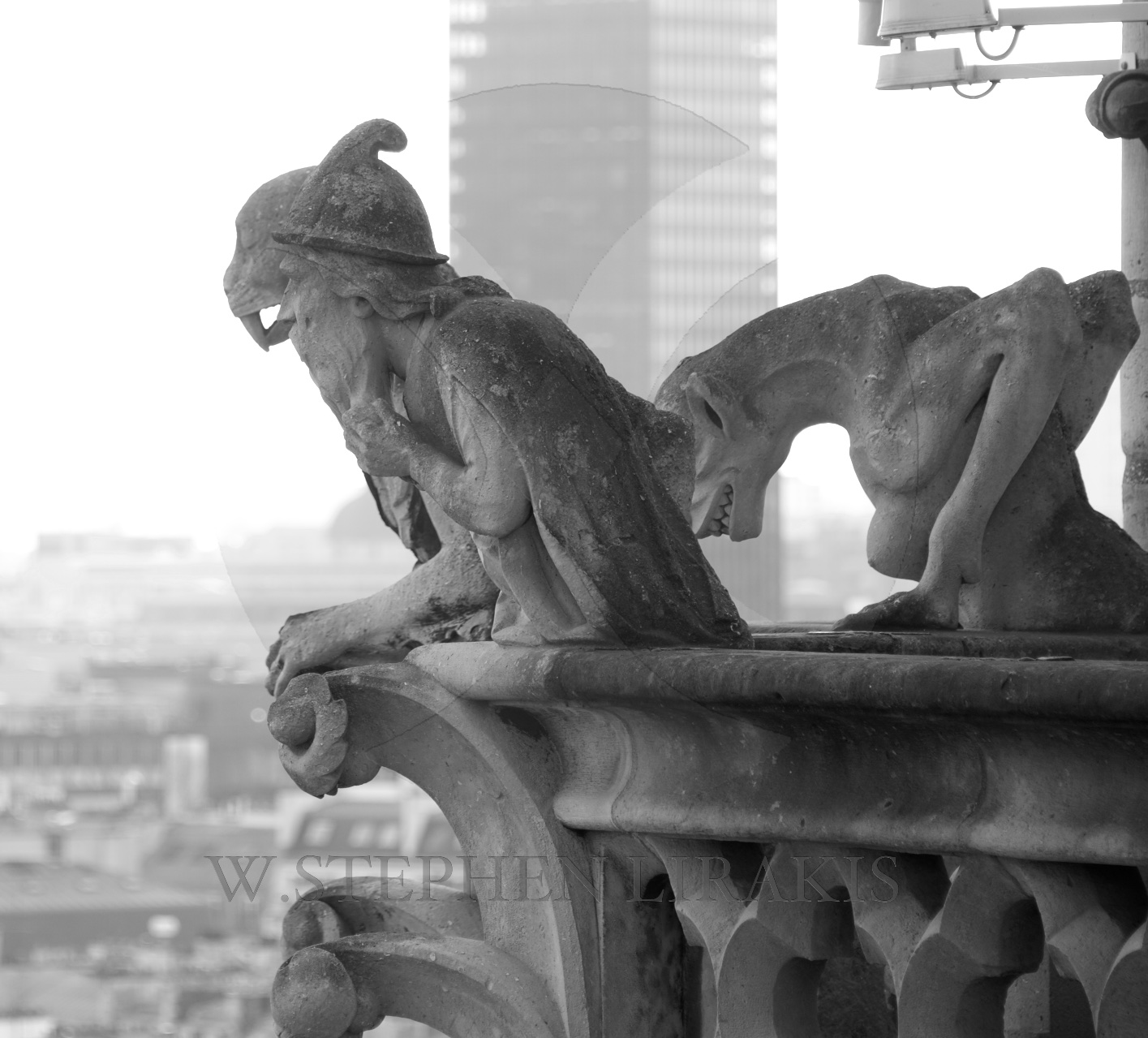
The weather cleared for a time, so I thought I would risk waiting in line and climbing (386 steps up and then down) the tower of Notre Dame. Fortune smiled on me and the day cleared even more and I was able to see for the first time the view and the fantasy of  the stone carvers of Notre Dame.  It is not a stretch get from these gargoyles to fairy tales. And what must have gone through the minds of the men carving these beasts. What a treat.


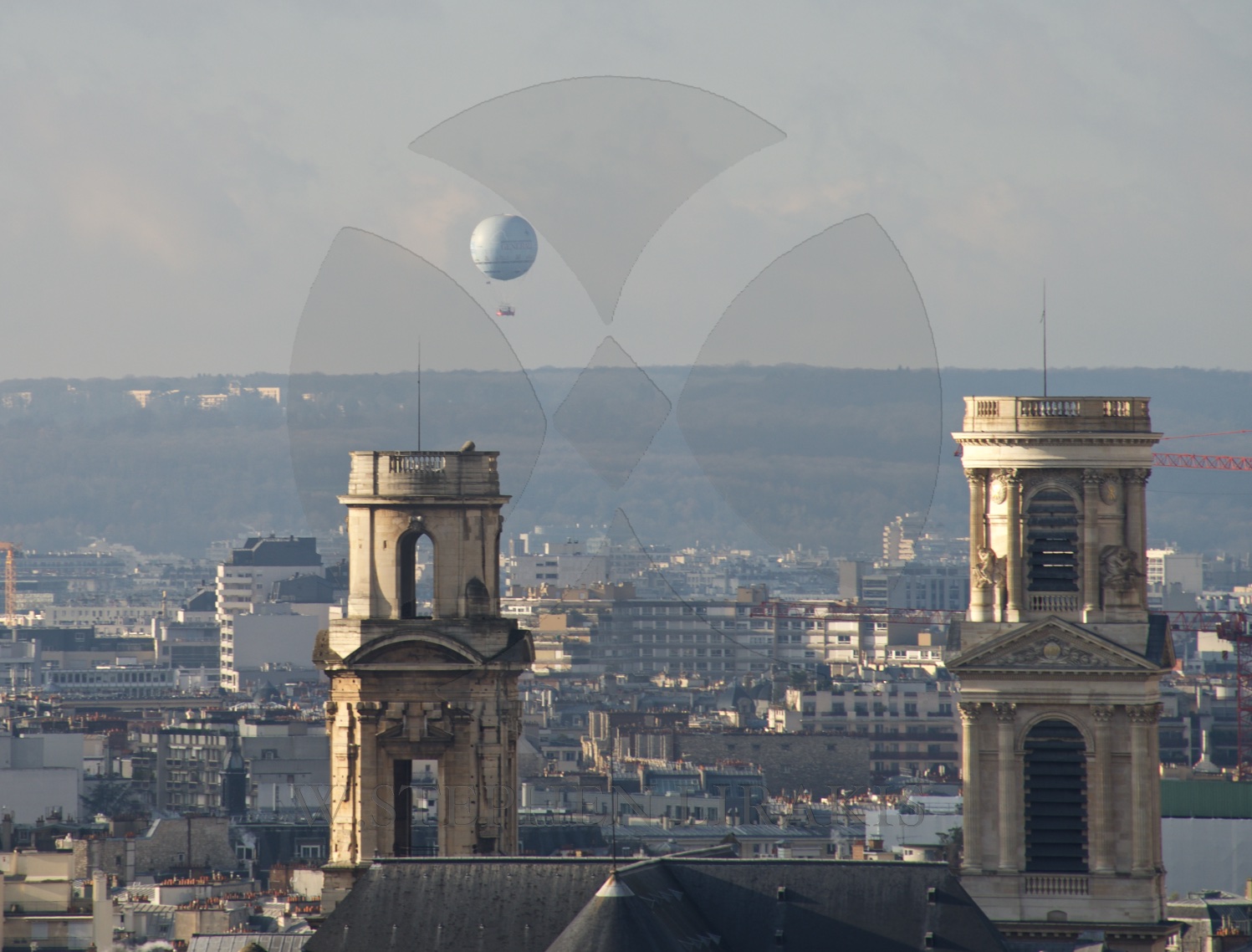
ABOVE PARIS
ABOVE PARIS
LOOKING DOWN
LOOKING DOWN

notre dame 12 16 14  49728 - Version 2notre dame 12 16 14  49333 - Version 2notre dame 12 16 14  49730 - Version 2notre dame 12 16 14  49357 - Version 2notre dame 12 16 14  49359 - Version 2notre dame 12 16 14  49250 - Version 2notre dame 12 16 14  49334 - Version 2notre dame 12 16 14  49352 - Version 2notre dame 12 16 14  49345 - Version 2

RABBIT MEAL
RABBIT MEAL

notre dame 12 16 14  49326 - Version 2

DAYDREAMING
DAYDREAMING
ENJOYING THE VIEW
ENJOYING THE VIEW

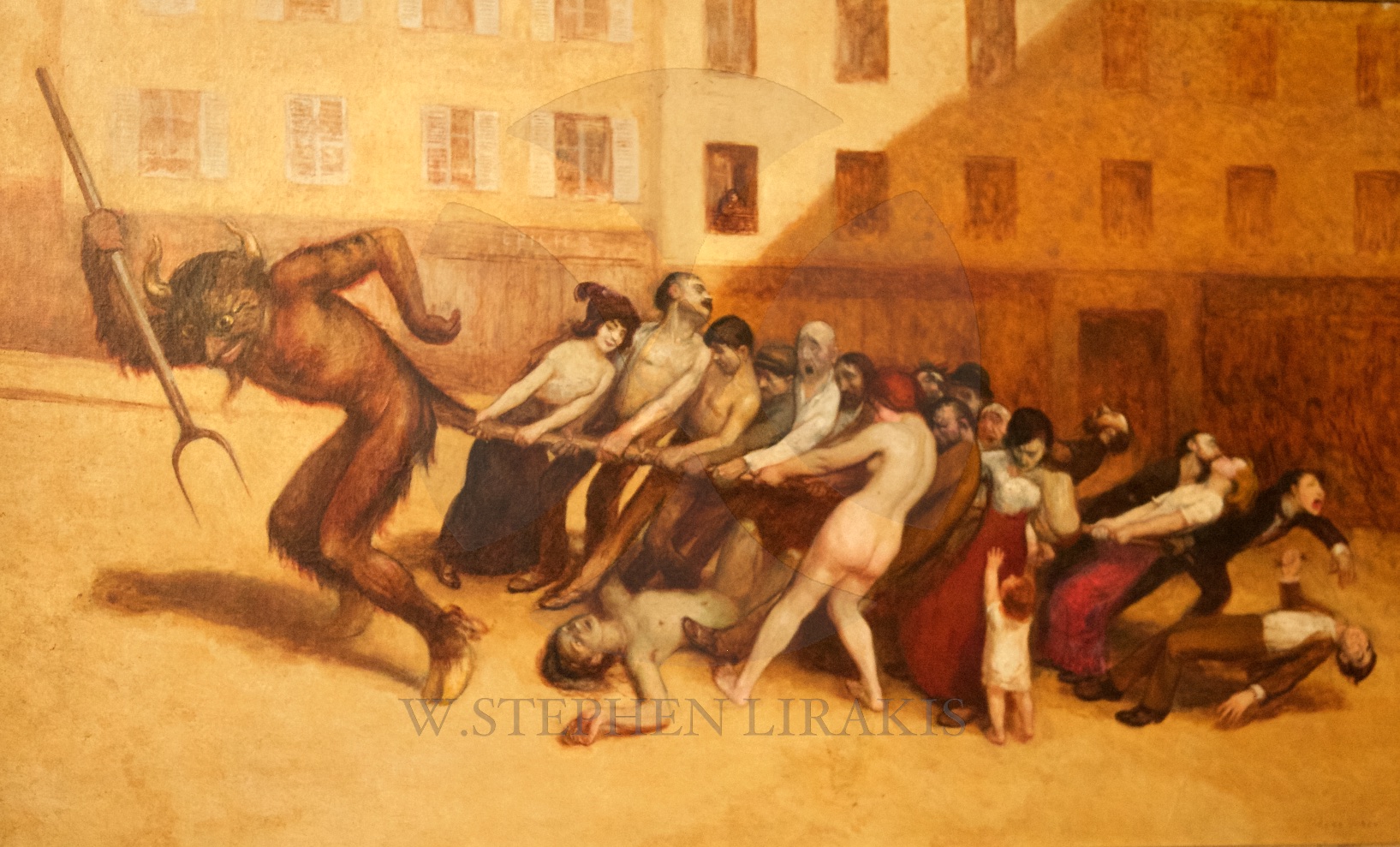
DEVILS AND ANGELS

The remarkable exhibit of Marcel Duchamp at the Centre Pompidou was another thought provoking event. The models of Frank Gehry’s work resemble what my 3-4 year old grandchildren might create. There is no denying the finished product,but what courage the client exhibited by deciding to go forward based on what they were shown.

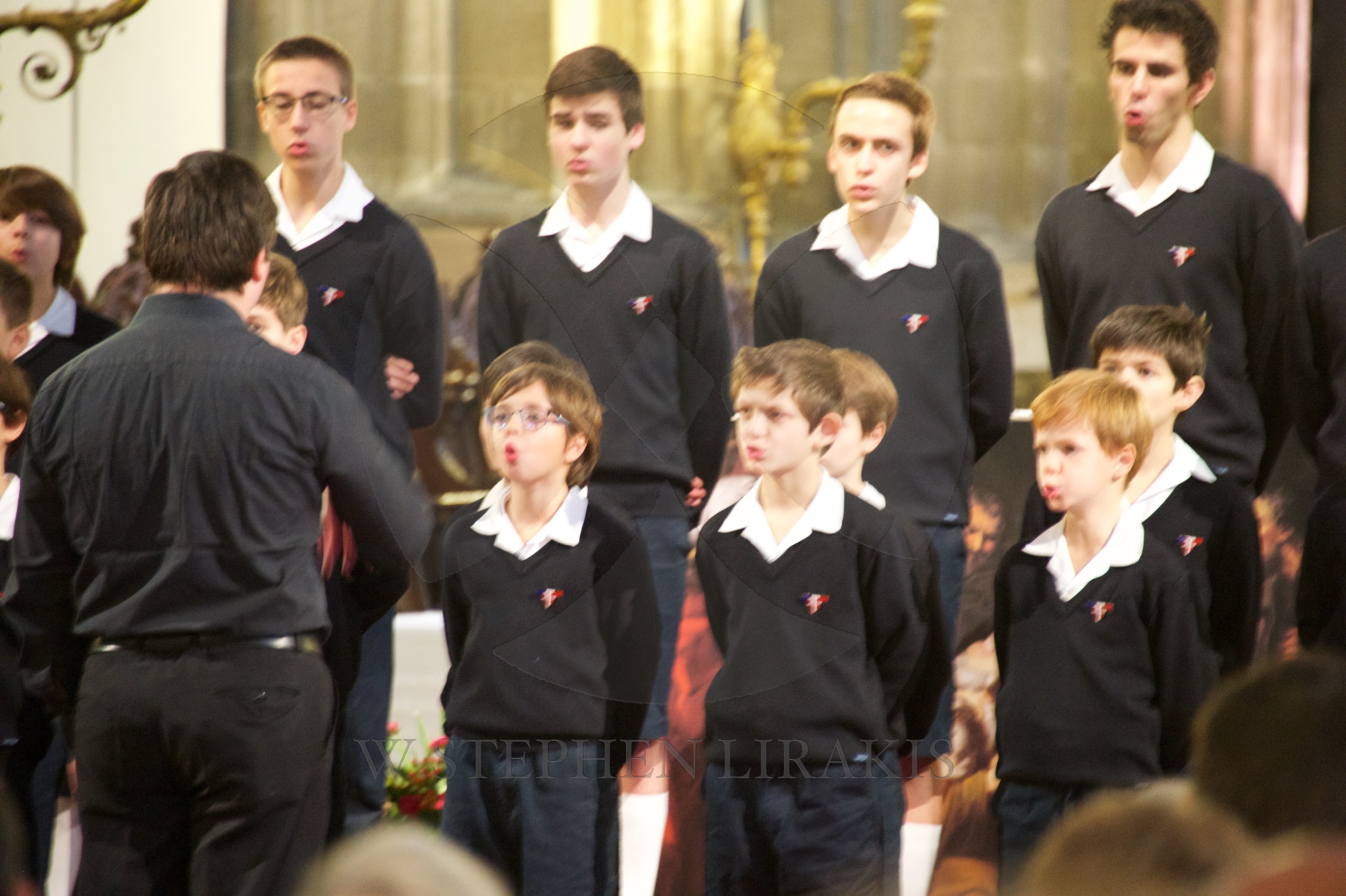
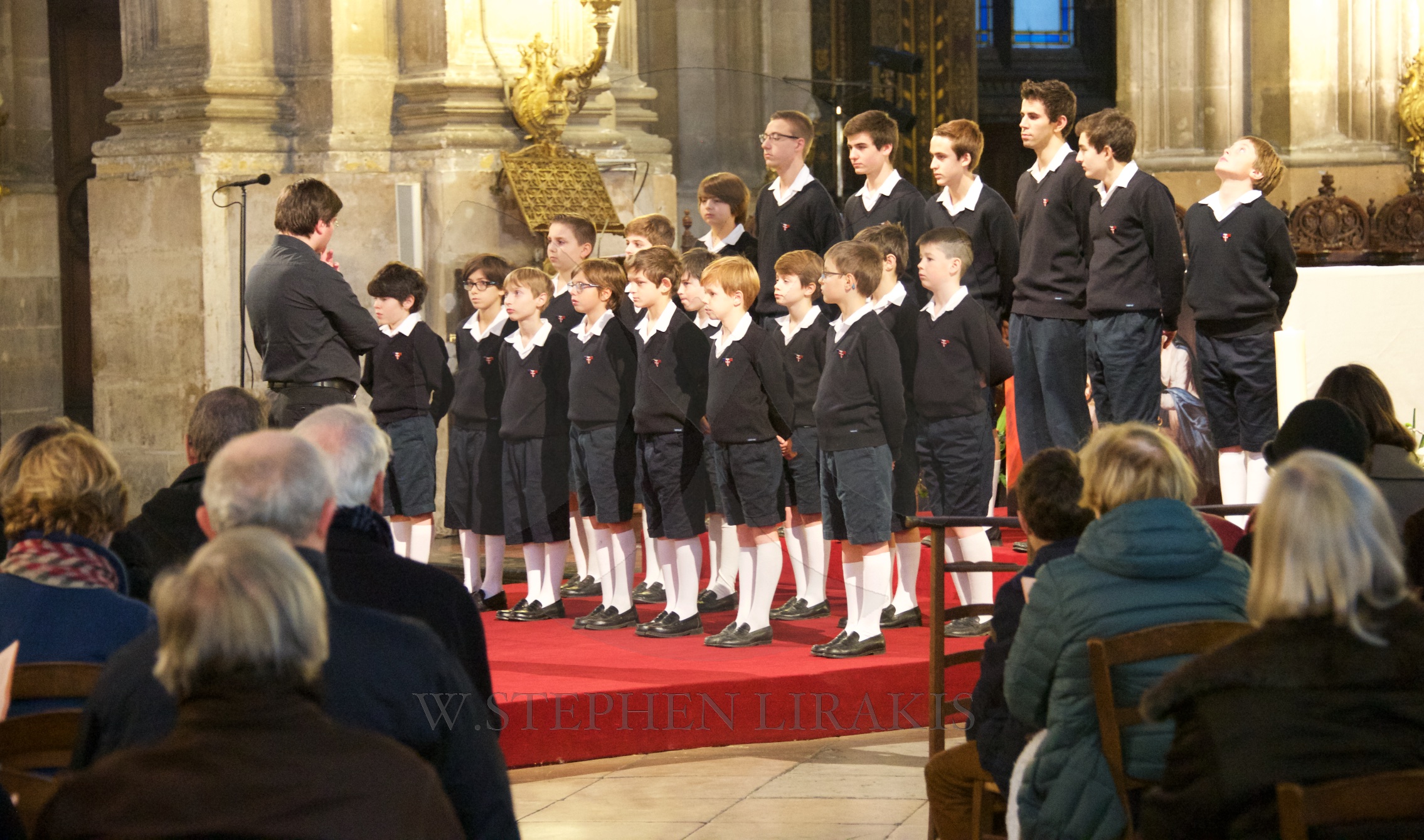
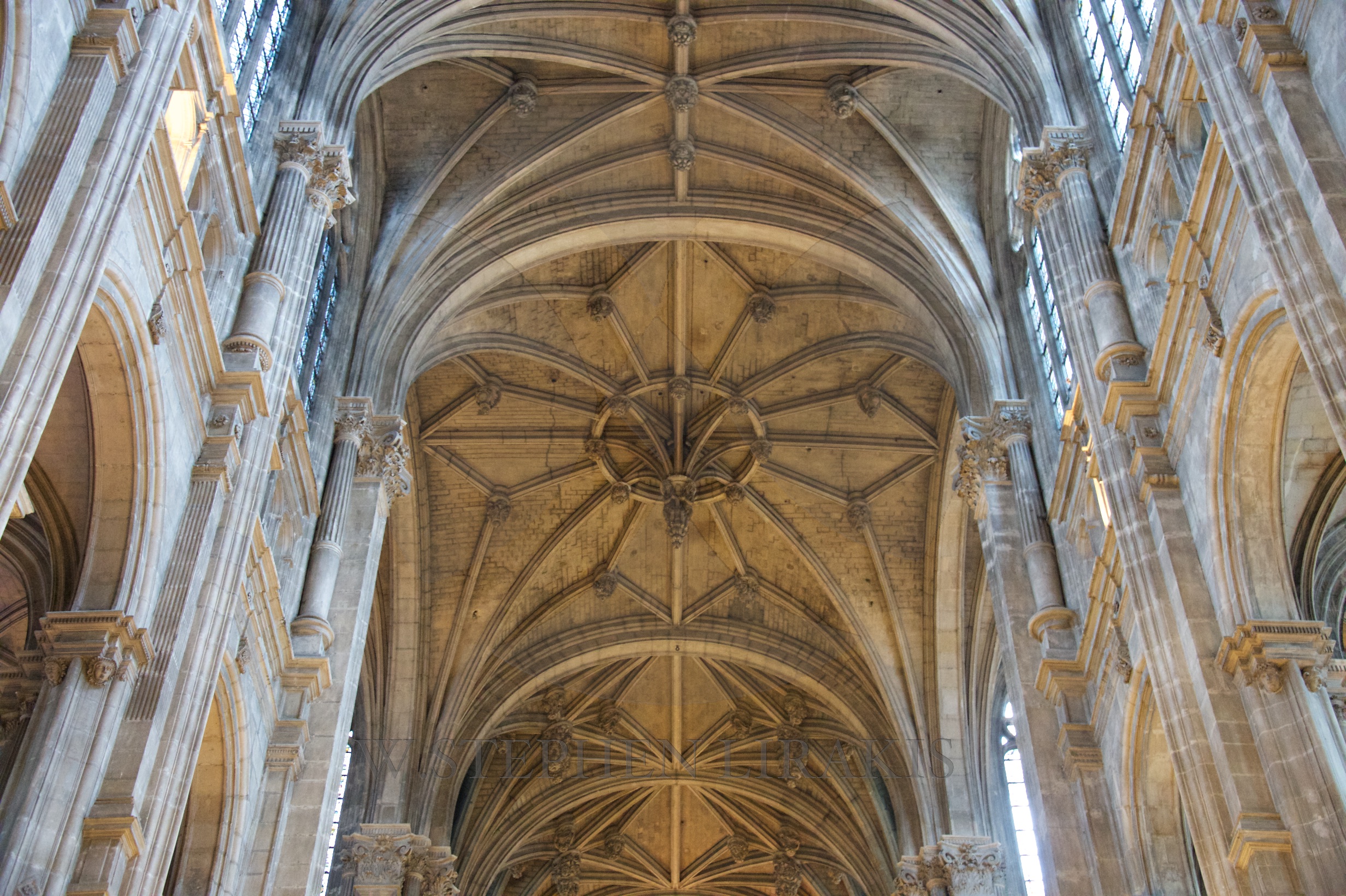
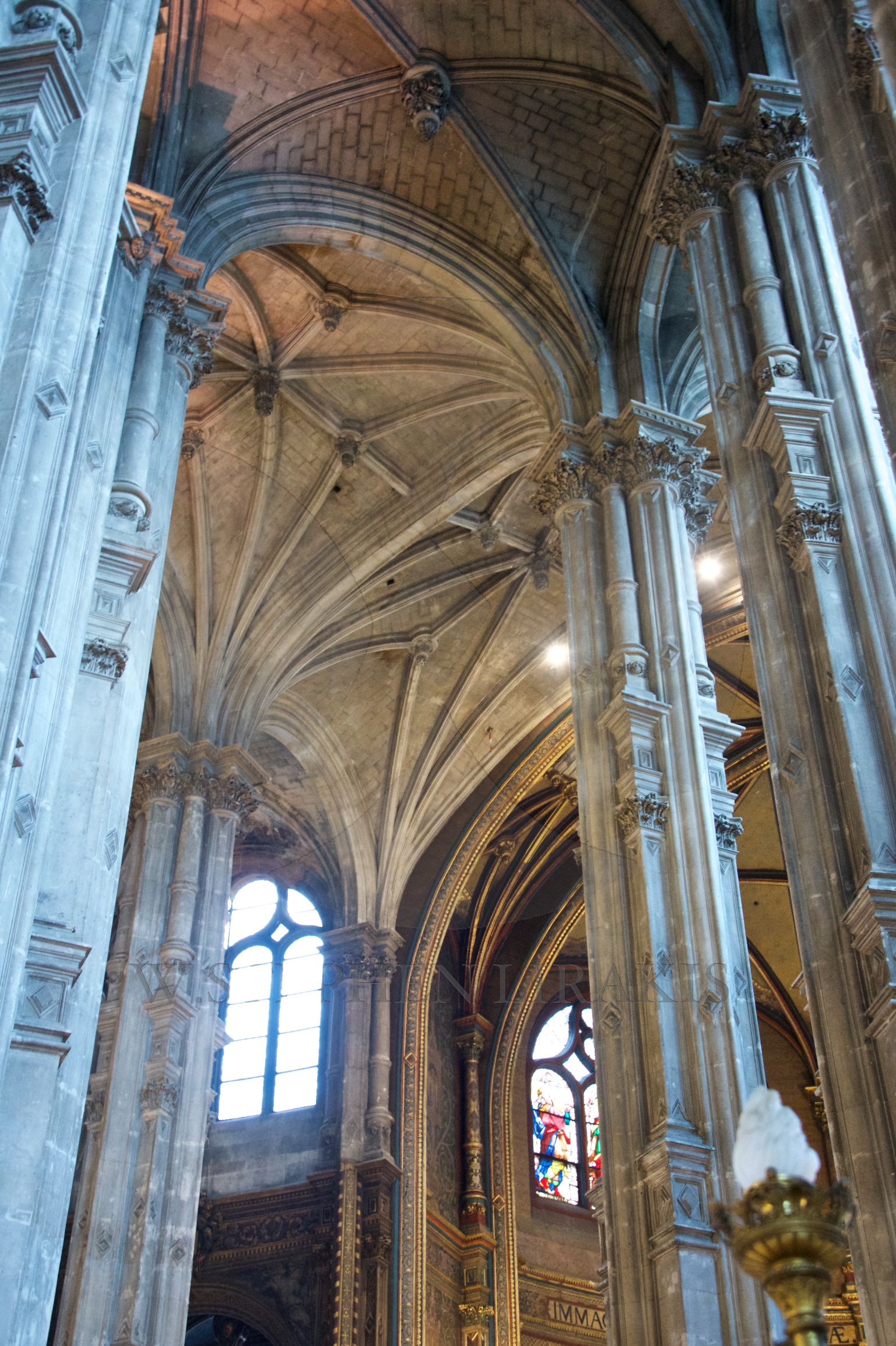
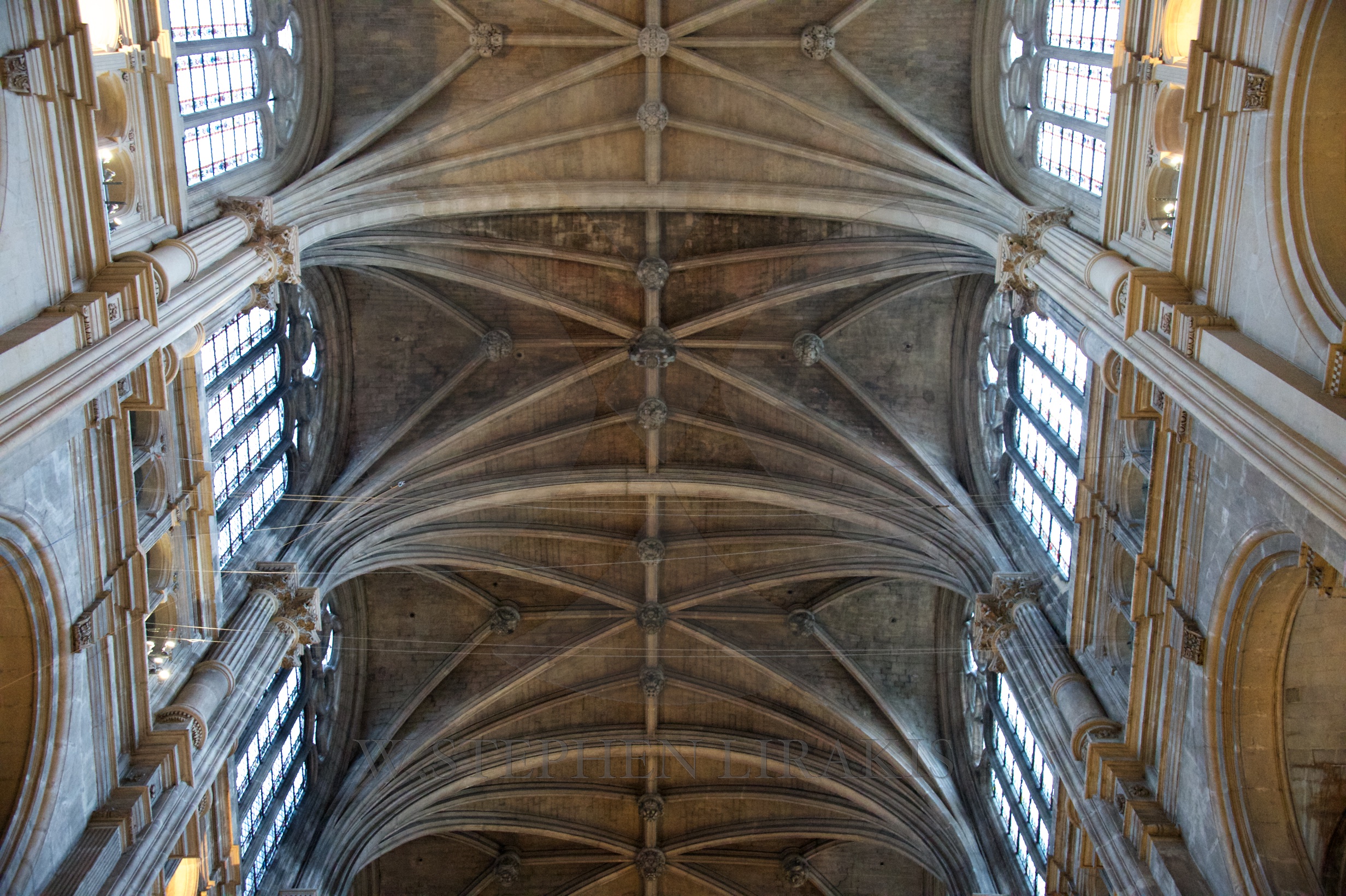
The day ended with a treat to the boys choir of St. Eustache singing christmas carols. Just as remarkable are the acoustics of the church of that size; not swallowing those delicate voices.

BOYS CHOIR AT ST. EUSTACHE
CHRISTMAS CAROLS
CHRISTMAS CAROLS
CHOIR
CHOIR
ST. EUSTACHE
ST. EUSTACHE
ST. EUSTACHE
ST. EUSTACHE

st. eustache 12 14 14  49105

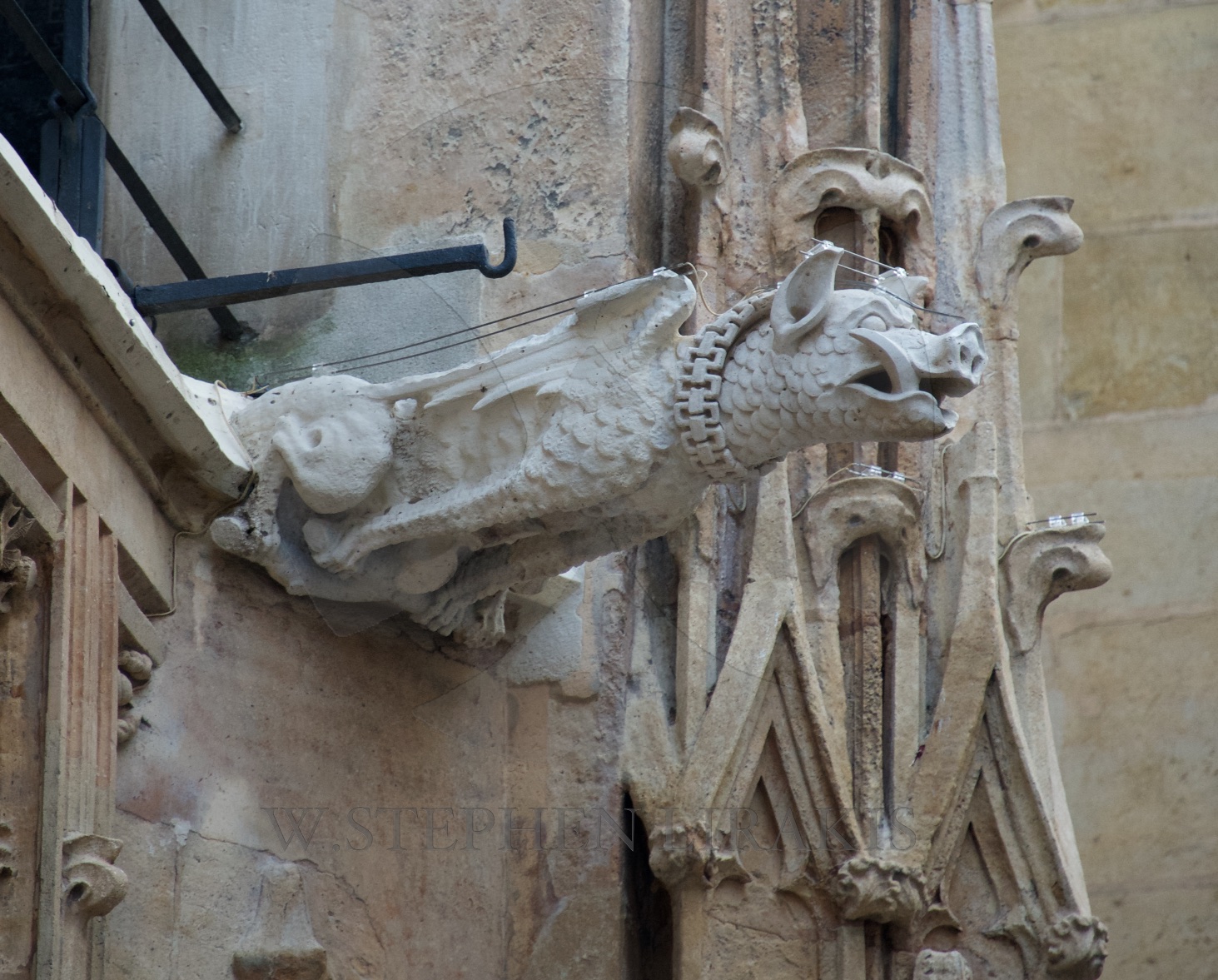
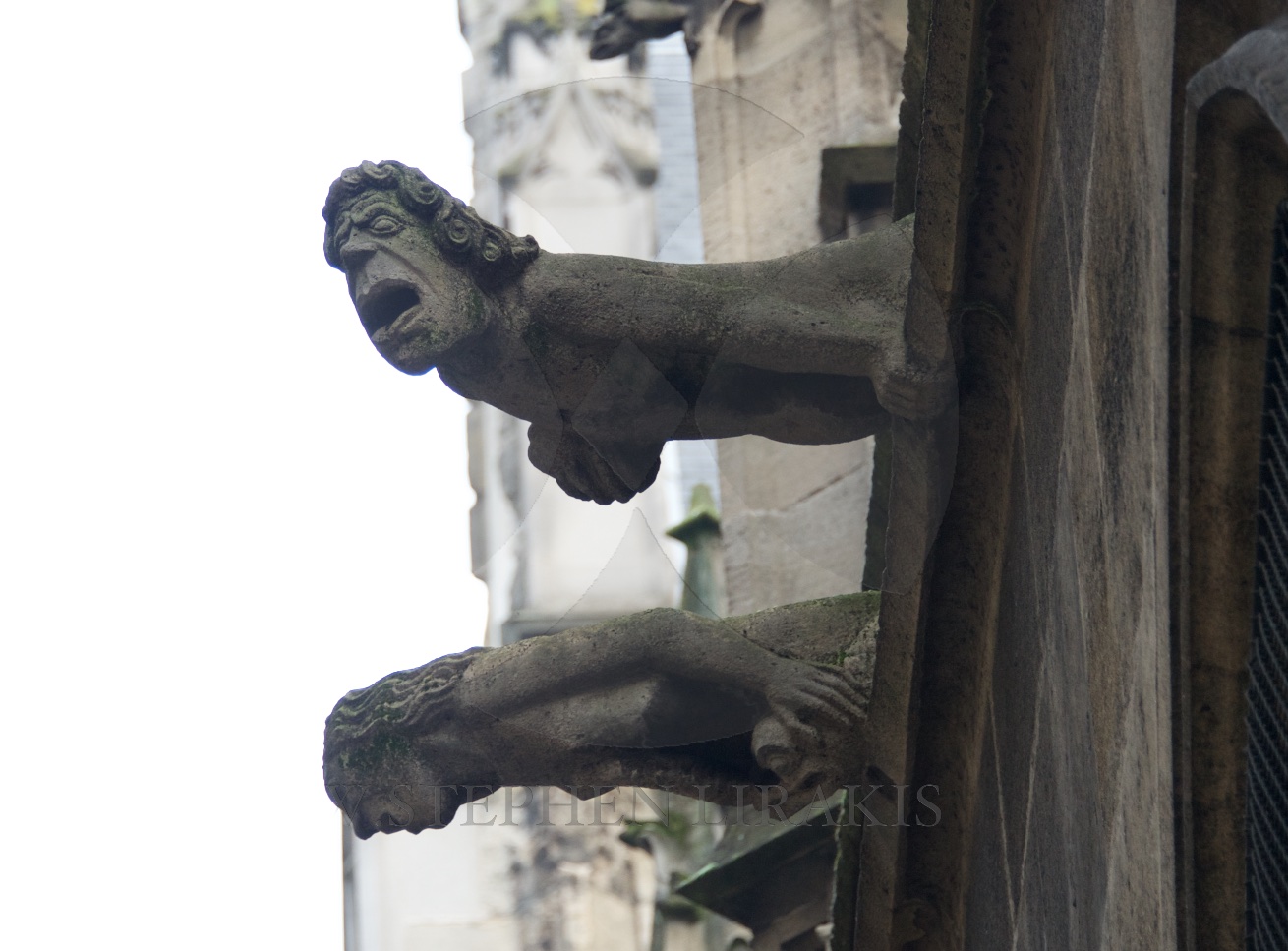
GARGOYLE
GARGOYLE

st. merry 12 14 14  49050

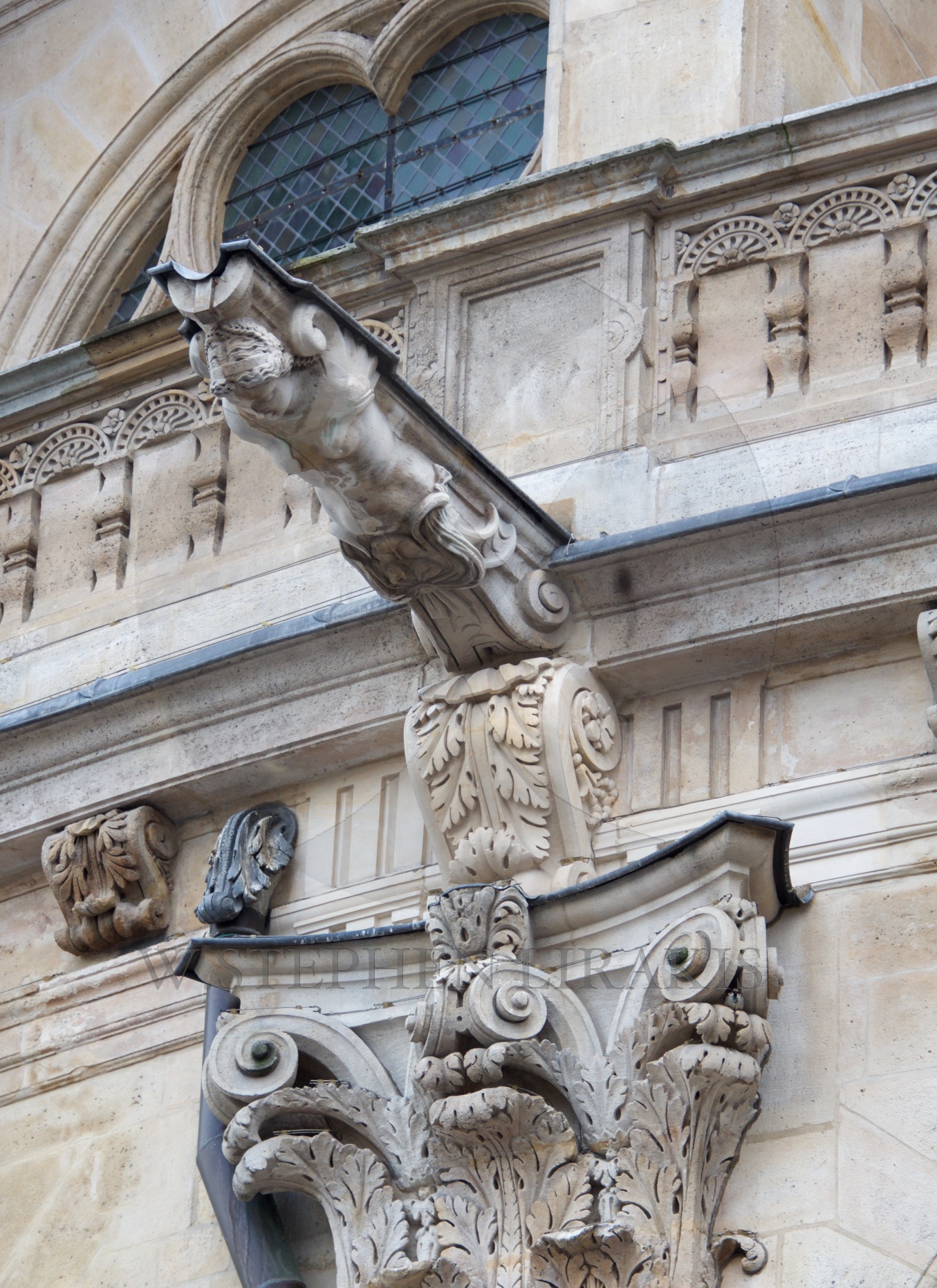
LOST SOUL
LOST SOUL

st. merry 12 14 14  49051

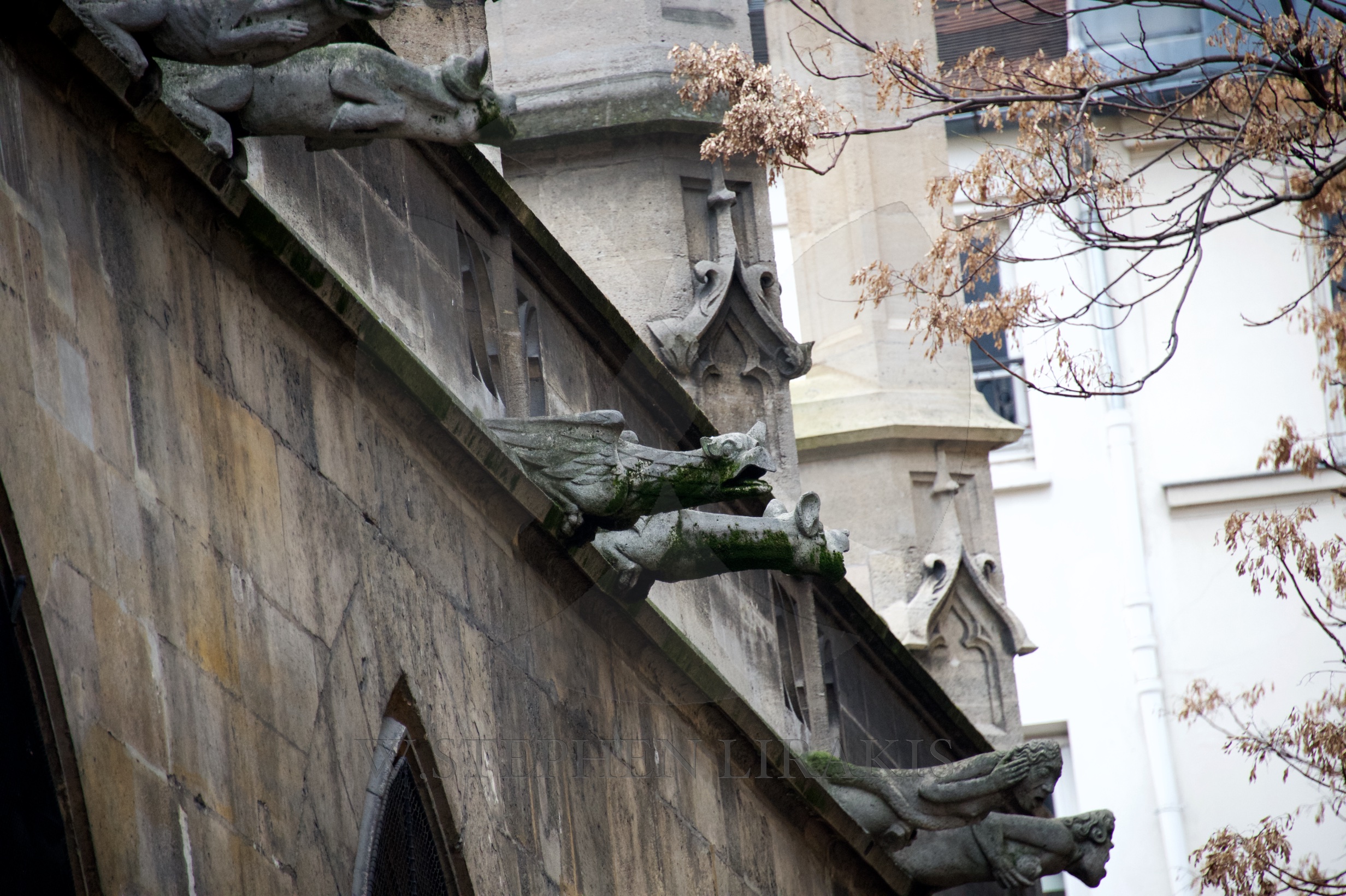
CONDEMNED
CONDEMNED